





Alden Hills Organic Farms
Self-ReportedDiversified Family Farm
Provide your family with the healthiest, highest-quality, pastured meats available.
How We Process
How to Buy
Markets & Stores
Farm Store
Photos
About Alden Hills Organic Farms
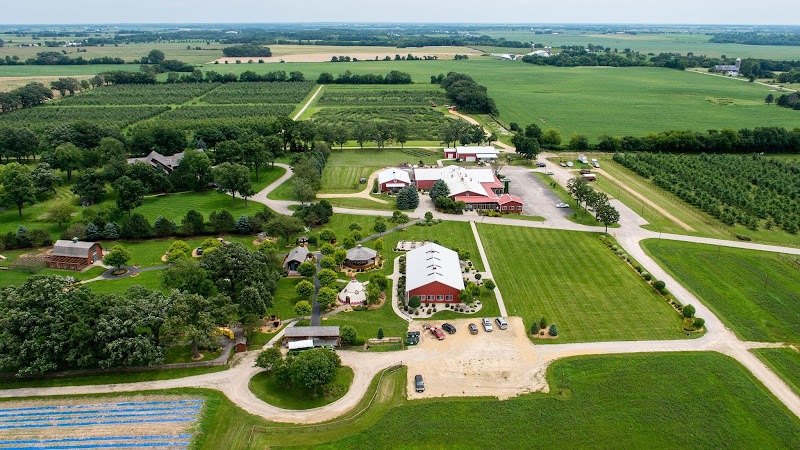
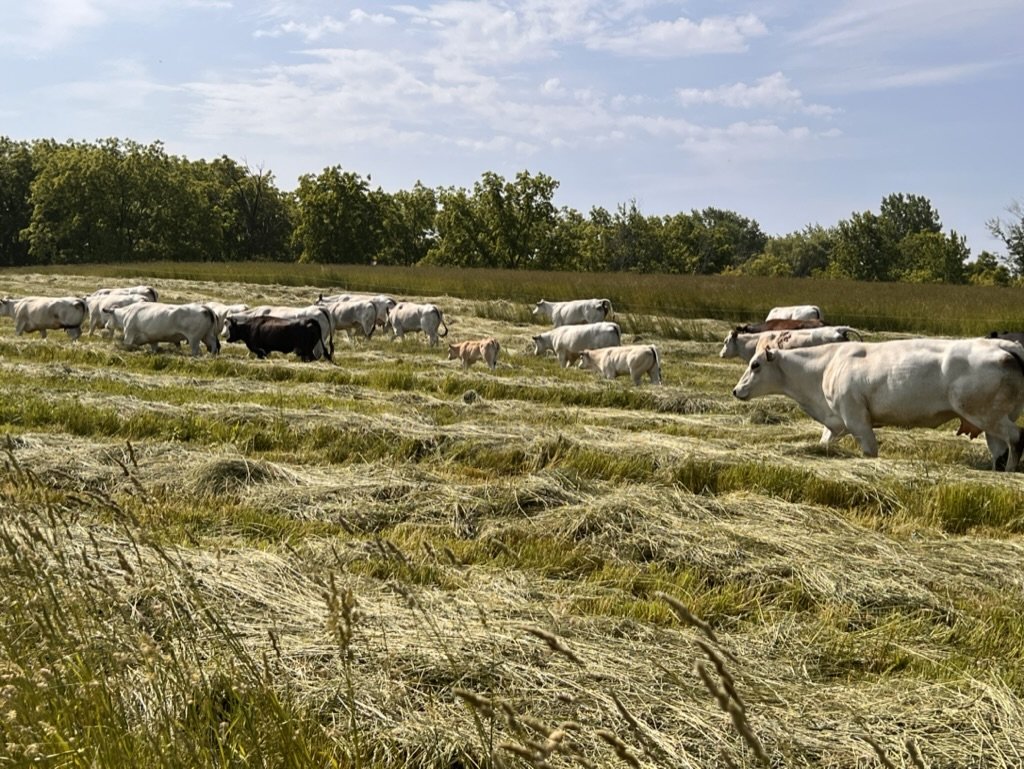
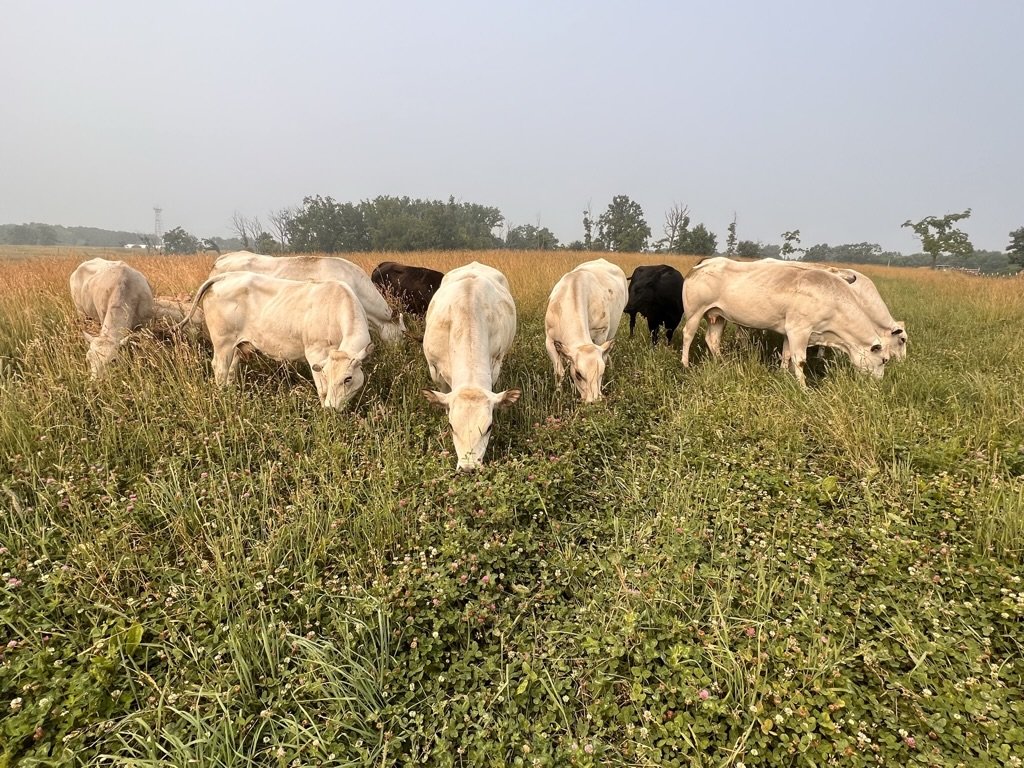
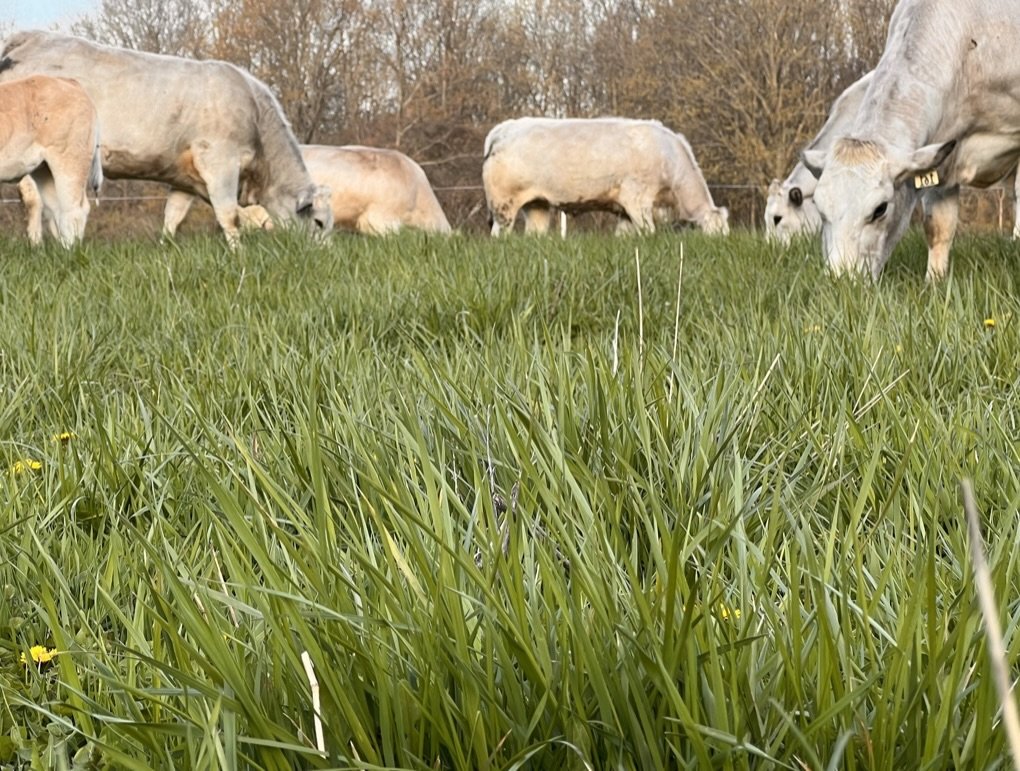
The winter months are usually my time to catch up on reading. I wish I could say that I’m able to read year-round but when our busy season hits…. I can never keep up on it! My reading list this winter has, unintentionally, been heavy on soil and plant science. The best book I’ve been reading (passed to me by my brother-in-law) is Gabe Brown’s “Dirt to Soil.” Gabe Brown is a truly inspirational farmer in North Dakota that turned his family farm from conventional production to a no-till diversified grazing operation. The thing that really impressed me with Gabe Brown's book was how much of a scholar he is. The ability to work with your hands and think on your feet is always so impressive to me. Anyways, I’m getting off track here… what I wanted to talk about was soil. There was a very interesting study done at UW-Madison that found the best way to improve soil health was with manure. They tested inorganic fertilizers against manure applications and in every way the natural manure outperformed the competition. The biggest takeaways were that natural manure increased soil structure through maintaining PH, carbon holding capacity (important for sequestering carbon that otherwise would be released into the atmosphere) and nitrogen holding capacity. So not only were there more nutrients available to plants but the soil structure had improved in a way that reduced erosion and increased ability to hold water (which is very important for actually building water reserves as opposed to being a drain on water resources like the rest of the beef industry). Inorganic fertilizers were found to have a negative effect on all of these. When we took over the conventional corn/soybean fields that now make up our (now) lush pasture the soil had been totally depleted by conventional farming practices. It had been depleted to the point that our first grass seedlings would barely grow! Since then, we have seen an increase in our organic matter of 60% in the first 5 years. I haven’t even tested our soil in the last 6 years because I can see the improvements with my own eyes. So that’s it, that’s our dirty secret. We let our animals improve our soil for us with their manure. The other aspect of improving your soil with manure is allowing your animals to do your work for you instead of adding more things for the farmer to do. We move our cows every day in the summer, and we keep them moving out on pasture in the winter too. Winter grazing practices like that keep duties like cleaning out barns to a minimum! I have even gotten to the point where we haven’t even used our manure spreader in probably 3 years. Why spend the time, effort, and fuel to spread manure when we can keep the cattle moving and spreading their manure for us? I say this a lot…but one of the most enjoyable parts of farming for me is seeing how we can work with nature. We’ve seen the impact natural fertilizers from livestock can have on our pastures and it’s really fun to watch. N237 Alden Rd. Walworth, WI 53184 Self Serve Farm Store Hours Open 7 days/week8am-6pm
Our Story
As a Certified Organic farm, Alden Hills Organic Farms' mission is to provide families with the healthiest, highest-quality, pastured meats. They utilize regenerative farming practices to build a farm eco-system that enhances both the land and the animals.
Meet Alden Hills Organic Farms
Farm Owner · Since 2009
What Sets This Farm Apart
Self-ReportedEvery practice listed here means something specific. Tap any practice to learn what it requires and why it matters.
Beef
General Practices
Pork
Poultry & Eggs
Self-reported practices. This farm has provided information about their practices, but they have not yet been independently verified by Bhumi.
Hours & Operations
| monday | 8 AM – 6 PM |
| tuesday | 8 AM – 6 PM |
| wednesday | 8 AM – 6 PM |
| thursday | 8 AM – 6 PM |
| friday | 8 AM – 6 PM |
| saturday | 8 AM – 6 PM |
| sunday | 8 AM – 6 PM |
Location & Directions
Quick Facts
Practices