


Foster Brady Farm
Self-ReportedDiversified Family Farm
How We Process
How to Buy
Bulk & Shares
CSA Share, subscription box
Photos
About Foster Brady Farm
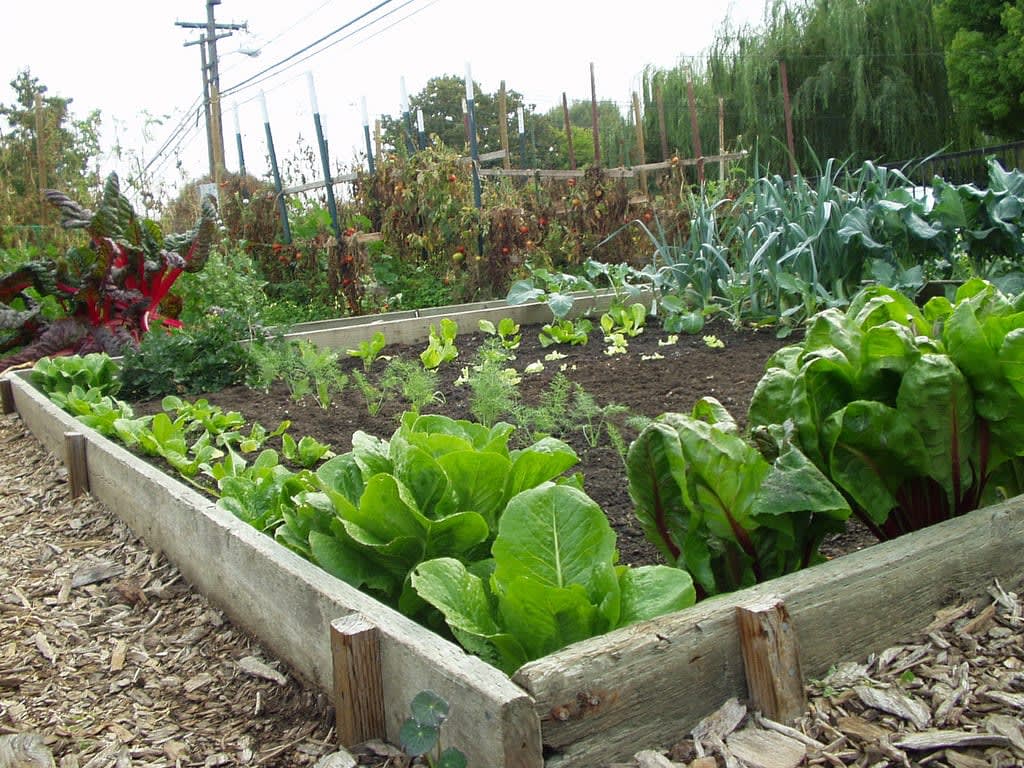
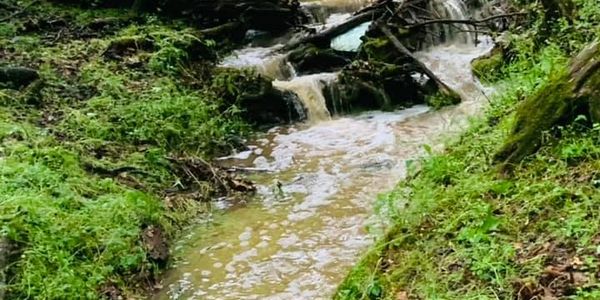
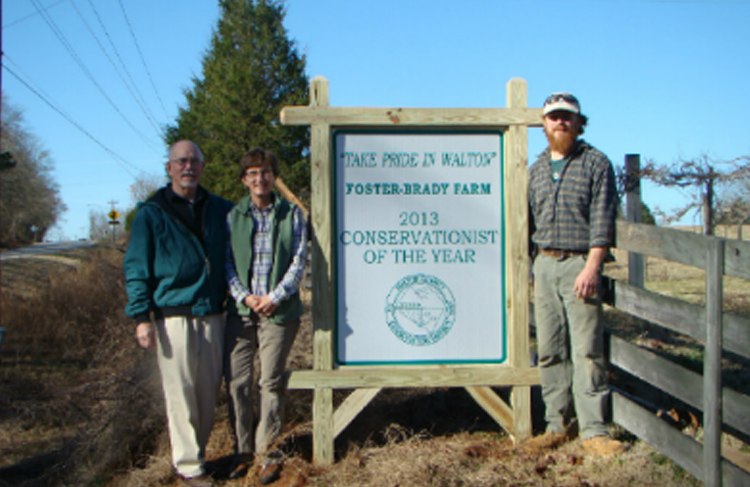
The land that is Foster Brady Farm began as a family farm practicing conventional agriculture from 1860 - mid 1900s. Tilling, chemical application, disregard of waterways, and over-grazed pastures were common practices during that era. In the late 1900s to early 2000s, as the Foster-Brady family members pursued careers outside of agriculture and farming became a side job, much of this cropland transitioned to Loblolly Pine silviculture. Some of the pastures continued to be used for conventional beef cattle production and other pastures converted to managed dove fields and wildlife food plots for hunting. The transition to sustainable land management began in 2009, when fifth generation farmer and his wife, Clay and Paula, switched the 400 square foot family garden to organic practices. The leftover 7-Dust and other chemical fertilizers and pesticides were taken to the local hazardous waste facility while compost, fish emulsion, and bug-squishing by hand were put to use. Clay also began the lifelong project of cleaning the acres of woodland on the family land. His predecessors deposited trash and broken farm equipment into the eroded ephemeral and intermittent streams, or “gullies” and “washes”. They sold their overage of heirloom tomatoes to local restaurants, and demand quickly outgrew the family garden. Clay began converting six acres of fallow dove field to sustainable vegetable production. Transitioning the dove field to organic vegetable plots was a laborious endeavor. The first plots were irrigated by a gravity fed system consisting of large plastic cubes that had to be filled from a distant well on the farm. In 2011 Clay became a full time farmer, and together with his parents, Cheryl and Hal, applied for several grants through the US Department of Agriculture (USDA) that allowed them to expand production and combat invasive species on the property such as privet. These grants assisted with installation of a well and micro-irrigation in 2011 along with the 20-fold expansion of the propagation house. Since its construction, a portion of the propagation house has been dedicated to the production of native plants for pollinator habitat and ecosystem restoration. Incorporating native plants such as Chickasaw Plum, Muscadines, Blackberries, Common Persimmon, Purple Coneflower, Milkweed, and Bee Balm provide commodities in addition to habitat for beneficial insects, which helps to secure the amazing biodiversity of Georgia. Meanwhile non-native landscapes that incorporate showy plants like Crepe Myrtle and Butterfly Bush actually lower biodiversity and provide few benefits beyond aesthetics. Bat houses are also installed throughout the village and garden. It’s a win for the bats as urbanization has decreased habitat availability in the wild. But it’s also a big win for the garden, as these mammals are voracious insect eaters. Check out thiscool videoby Georgia Department of Natural Resources filmed on Foster Brady Farm! The farm continued to grow and expanded into year-round vegetable production with the installation of the first hoop house in 2012. And in February, after a mandatory three year lapse from conventional, non-sustainable farming practices, Clay successfully certified the organic fruit and vegetable garden through Certified Naturally Grown(CNG), a grass roots alternative to USDA Organic certification. The farm had another growth spurt in 2018. With the addition of mushrooms and laying hens, the farm now includes proteins with its offerings of organic products. The lease of the conventional cattle farmer also ended that January, bringing 18 acres of pasture in line for CNG certification. Three of these acres are ear-marked for orchard and the remainder are to be managed as pasture for chickens and additional livestock rotation. The laying hens are housed in mobile coops. The first was built from a retired cotton wagon and other materials salvaged from around the farm. The chickens are moved around the garden
Our Story
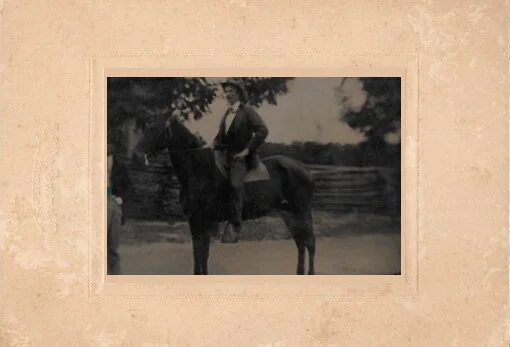
Purchased on March 17, 1860, by an Irish immigrant, the land has passed through 5 generations of management practices, always maintaining agricultural and homesteading uses. The farm began as a family farm practicing conventional agriculture from 1860 to the mid-1900s, and has since evolved to Certified Naturally Grown practices and regenerative agriculture, restoring native ecosystems. The farm is family owned and operated, and is now a 5th generation farm. The farm has evolved to timber production, wildlife habitat, and Certified Naturally Grown produce and protein. The diversified farm provides seasonal harvests for Community Supported Agriculture shares, special orders, and wholesale to local clientele. The farm practices regenerative agriculture and restoration of native ecosystems. The farm also offers an Egg-Only CSA with Certified Naturally Grown, pasture-raised eggs from happy hens that are rotated to fresh pasture regularly. The farm also offers wholesale pricing for restaurants, grocers, and special events. The farm offers Drop-In Small Share, 4 - 7 items, Drop-In Large Share, 5 - 8 Items, and Subscription Small Share, 4 - 7 items. The farm also offers pickup at one of several locations, or delivery service to your door. The farm also offers an Egg-Only CSA with Certified Naturally Grown, pasture-raised eggs from happy hens that are rotated to fresh pasture regularly. The farm also offers wholesale pricing for restaurants, grocers, and special events. The farm offers Drop-In Small Share, 4 - 7 items, Drop-In Large Share, 5 - 8 Items, and Subscription Small Share, 4 - 7 items. The farm also offers pickup at one of several locations, or delivery service to your door. The farm also offers an Egg-Only CSA with Certified Naturally Grown, pasture-raised eggs from happy hens that are rotated to fresh pasture regularly. The farm also offers wholesale pricing for restaurants, grocers, and special events. The farm offers Drop-In Small Share, 4 - 7 items, Drop-In La
Meet Paula Marcinek
Farm Owner · Since 1860
What Sets This Farm Apart
Self-ReportedEvery practice listed here means something specific. Tap any practice to learn what it requires and why it matters.
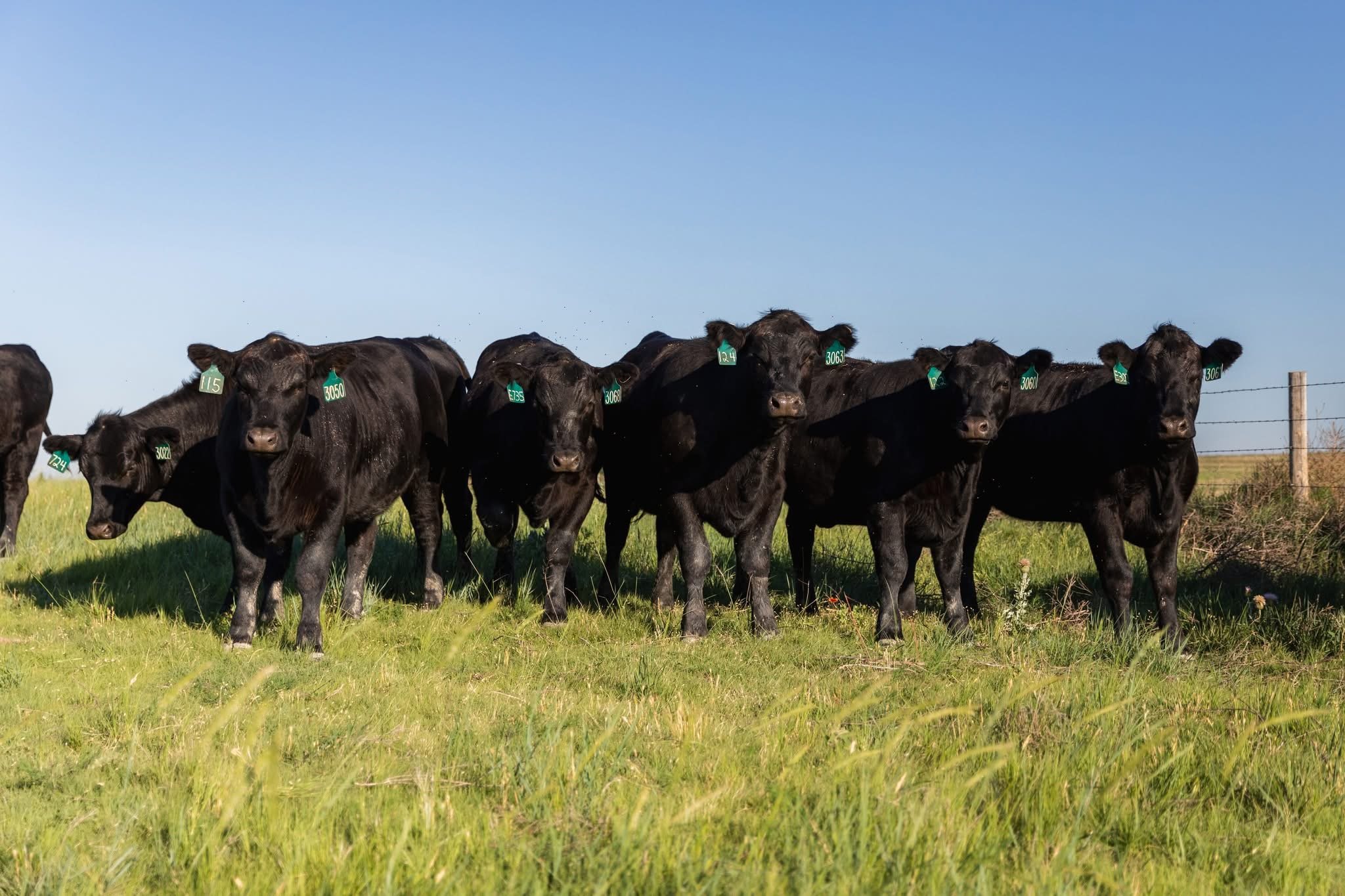
Beef
Poultry & Eggs
Self-reported practices. This farm has provided information about their practices, but they have not yet been independently verified by Bhumi.
Hours & Operations
Location & Directions
Quick Facts
Practices