








Grow Dat Youth Farm
UnverifiedProduce Farm
Sign up to receive our monthly newsletter for updates from the farm!
How to Buy
Bulk & Shares
CSA Share, CSA share, Egg Share
Photos
About Grow Dat Youth Farm
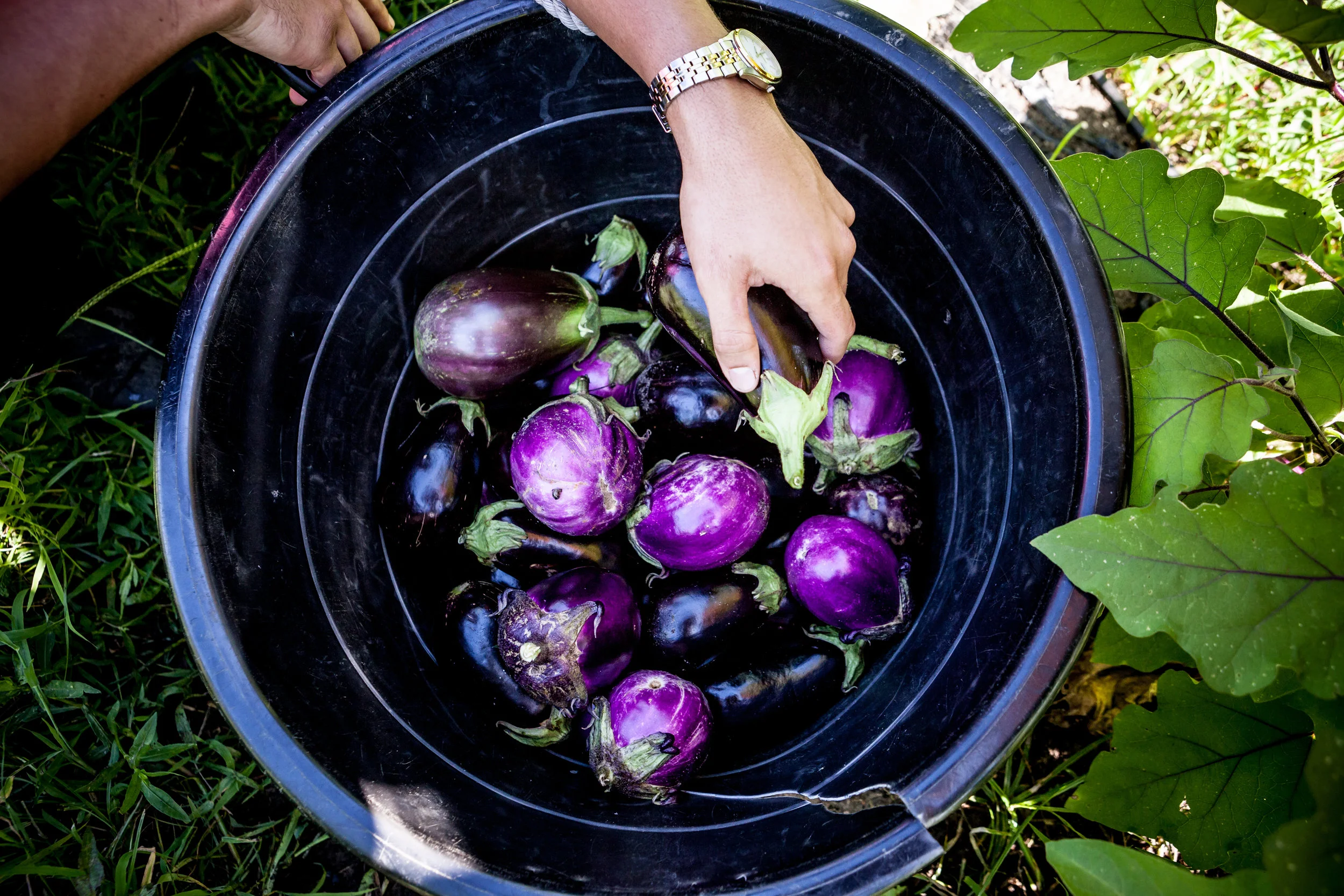
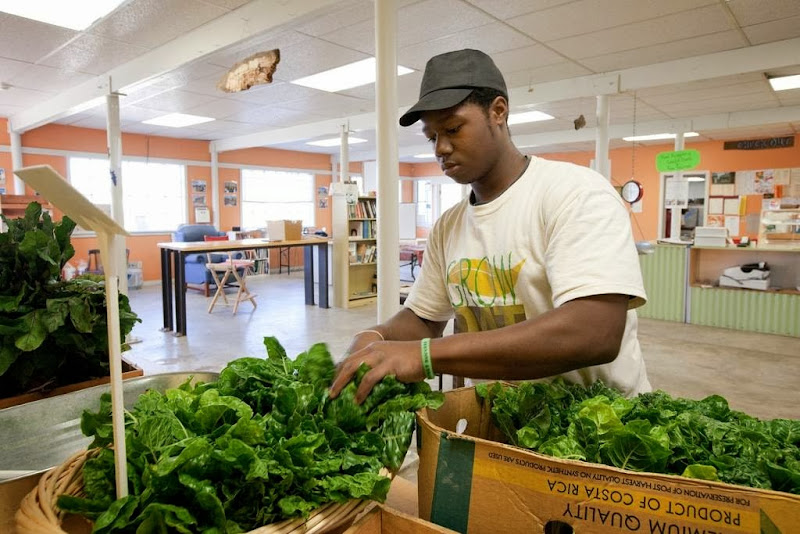
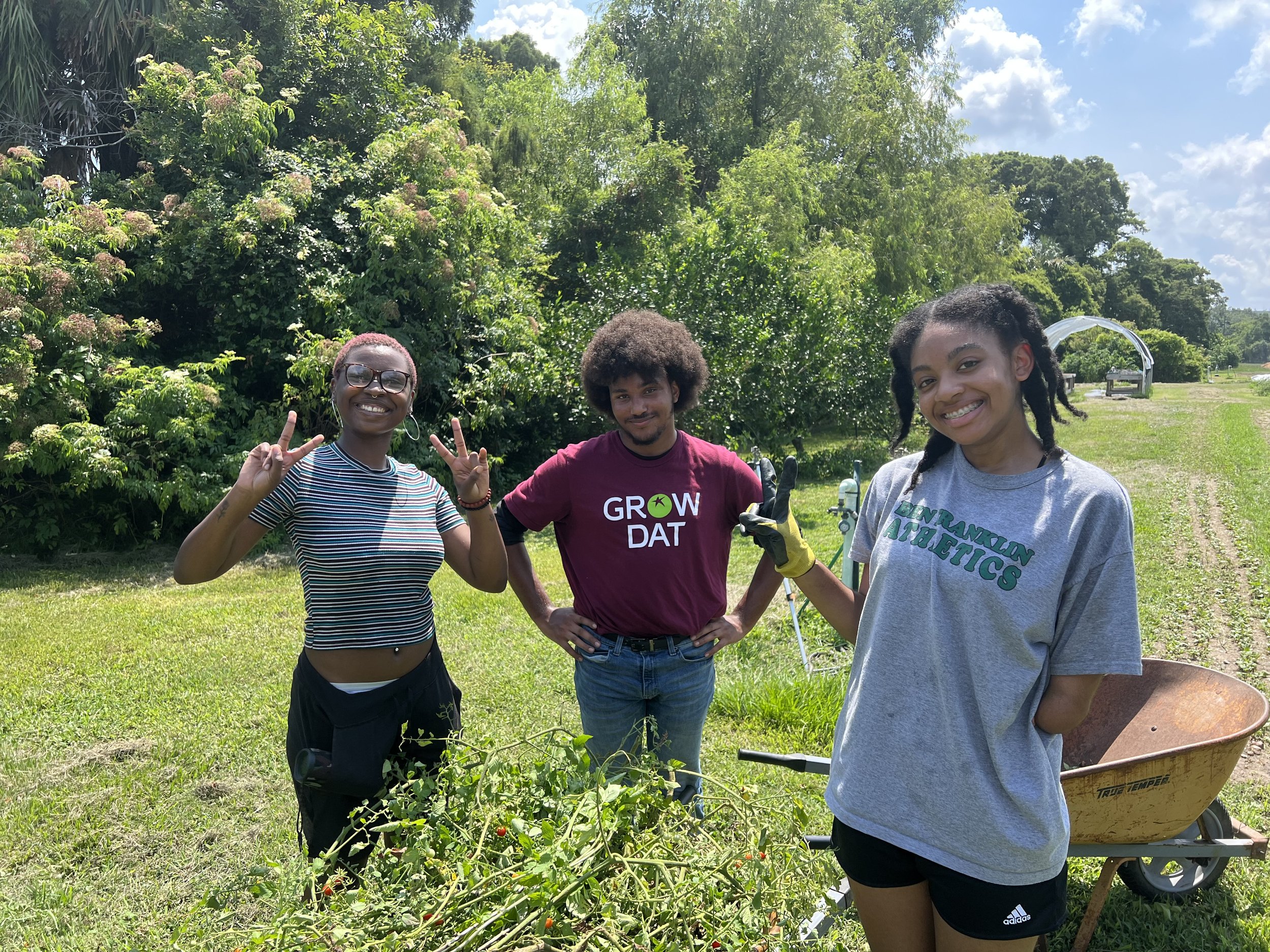
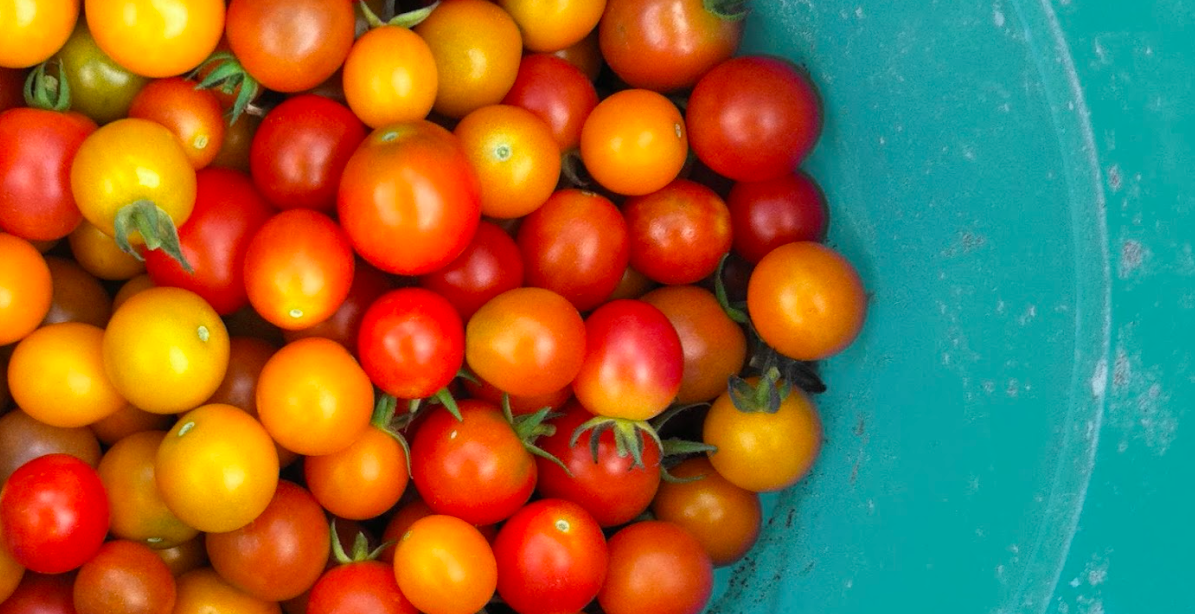
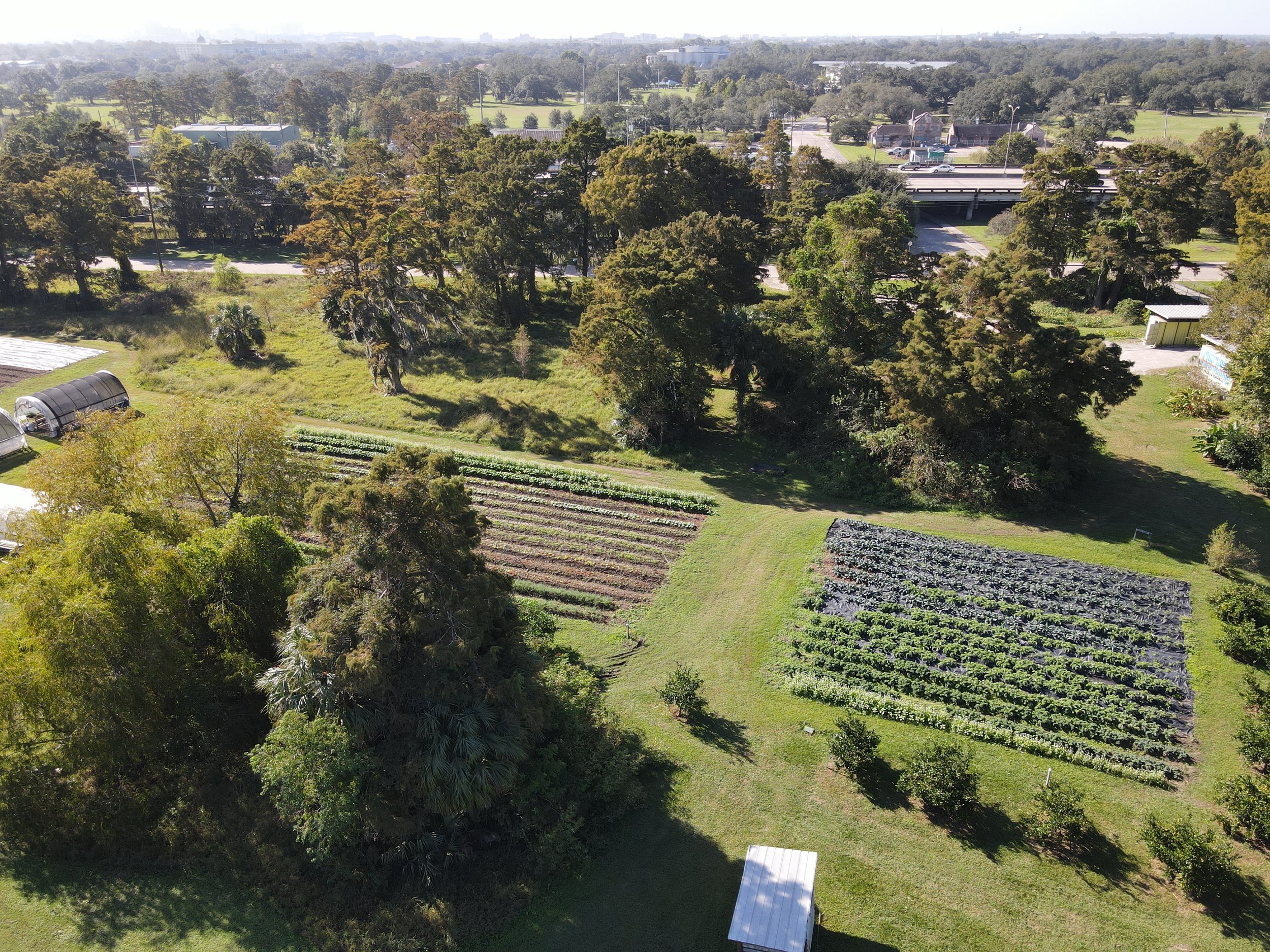
Located on a seven-acre site in New Orleans' City Park we operate a two-and-a-half acre sustainable farm. Each year, we grow and harvest an average of 50,000 pounds of fresh produce. Eighty percent is sold via our CSA program. Twenty percent is distributed through our Shared Harvest program and to our youth participants and families. There are no fences on our land as there are at most farms. Just as egrets and herons wander through our fields, on a given day you can see people fishing,birding, and walking dogs. You may spot a group of first graders picking carrots out of the ground for the first time, or adults on one of our History of the Land tours. We host over 2,000visitorsevery year, including many from around the country who look to our work as a model for their own projects. Our location in City Park makes this a true community space: a place for nature, for education, and for reimagining how we relate to our food and to our planet. At Grow Dat, we look to nature as a guide for how to grow food - asking ourselves, how can we replicate the processes that a forest or prairie would do naturally? How are we stewarding not just our fields, but the waterways and forests? Whenever possible, we aim to follow principles of biodiversity, repurposing waste, and intervening in ecological processes as little as possible. In this way, we think of ourselves as both a farm and an agro-ecological project. Learn more about our farming practices On our farm we grow more than 50 different crops throughout the year. This diversity is insurance against pest damage (since we use no toxic herbicides or pesticides). If one crop is damaged, many other varieties are available to harvest. Practicing crop rotation also wards off pests and reduces pressure on the soil’s nutrient bank. Diversity within each field and over time mimics the biodiversity of a resilient natural system. Much of our seven acre site, such as our Birding Corridor, is uncultivated land - groves of cypress and willow surround our fields. As stewards of these spaces, we remove invasives like ragweed and tallow and plant natives like cypress, iris, and many more. A healthy habitat invites a diversity of organisms, including insects like parasitic wasps, aphids, and assassin bugs that also keep unwanted pests in check. Contrast this well-functioning food web on our farm with a monocropped industrial landscape that relies on chemical pesticides to manage pest pressure. As sustainable farmers, we see ourselves as stewards of a living soil community. After 12 years of intensive cover cropping, organic amendments, and minimizing invasive tilling, we have built soil organic matter at Grow Dat to an average of 7% in our fields (above 5% is considered high). Organic matter is food for plants and also a key for climate resilience. High organic matter means more carbon underground and out of the atmosphere. Soil high in organic matter absorbs water during heavy rainfall events, and holds water during droughts. Thriving soil means a bountiful harvest and an investment in our future. We practice intensive cover cropping on our farm: for two to three months of the year, we cover the fields with plants like cowpeas, sorghum sudan grass, and sunn hemp that naturally put carbon and nitrogen back into the soil. In preparation for a new season, we cut these plants and integrate them into the field, where they serve as food for microorganisms, fungi, insects, and other decomposers. We minimize disruption to the soil structure and living community underground by running a tractor over the fields only twice a year. We use a spader in place of heavier industrial implements, and have transitioned one field to No Till, meaning we never disturb the soil, and are experimenting that approach in a second field. In place of fossil-fuel based nitrogen fertilizer, which disrupts soil life and has reverberating ecological impacts, especially as runoff, we use organic amendments to build soil carbon an
Our Story
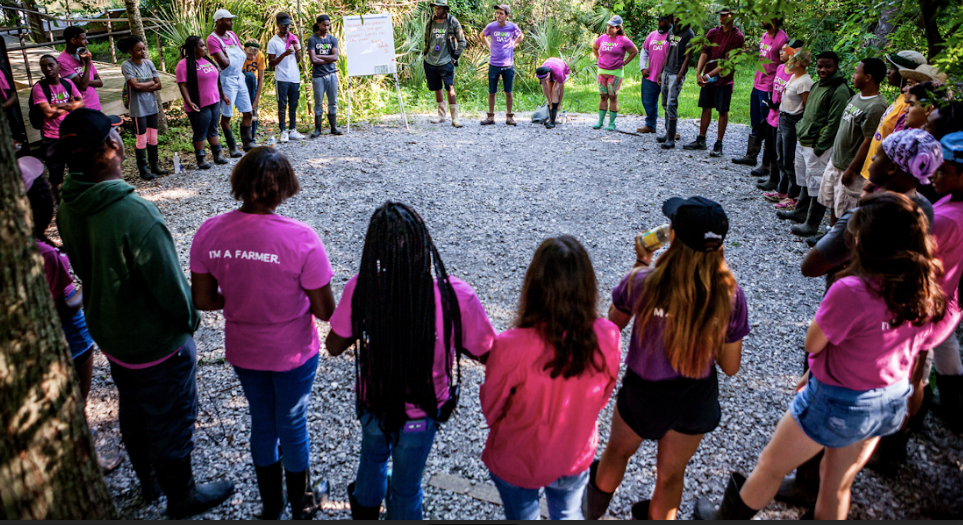
Grow Dat Youth Farm is an urban farm and youth development organization that employs over 100 youth from across New Orleans, Louisiana. They focus on youth development and community impact through their farm operations and programs like Grow Dat on the Geaux and Shared Harvest. They also offer field trips and tours, and have a birding corridor on their land. They have an impact report for 2025 and are planning for their future in City Park through People's Planning Forums. They also have a team of staff, board of directors, apprentices, partners, and supporters. They also host events and workshops, farm dinners, and have press mentions. They also have a section for alumni voices and by the numbers. They also have a mission, vision, and values. They also have a section for leadership. They also have a section for looking back, looking ahead. They also have a section for the land. They also have a section for the farm. They also have a section for our impact. They also have a section for our team. They also have a section for news and events. They also have a section for our future in city park. They also have a section for people's planning forums. They also have a section for open menu. They also have a section for close menu. They also have a section for folder: about us. They also have a section for back. They also have a section for our work. They also have a section for mission, vision & values. They also have a section for leadership. They also have a section for programs. They also have a section for grow dat on the geaux. They also have a section for looking back, looking ahead. They also have a section for folder: the land. They also have a section for back. They also have a section for the farm. They also have a section for field trips and tours. They also have a section for birding corridor. They also have a section for csa farm shares. They also have a section for shared harvest. They also have a section for folder: our impact. They also have a section fo
Meet null
Farm Owner · Since 2017
What Sets This Farm Apart
UnverifiedEvery practice listed here means something specific. Tap any practice to learn what it requires and why it matters.
Not verified by Bhumi. This farm's practices have not been independently verified. Product claims (grass-fed, pasture-raised, organic, etc.) are based on publicly available information and have not been confirmed.
Hours & Operations
Location & Directions
Quick Facts
Practices