











Harvest Tide Organics
Self-ReportedDiversified Family Farm
How to Buy
Bulk & Shares
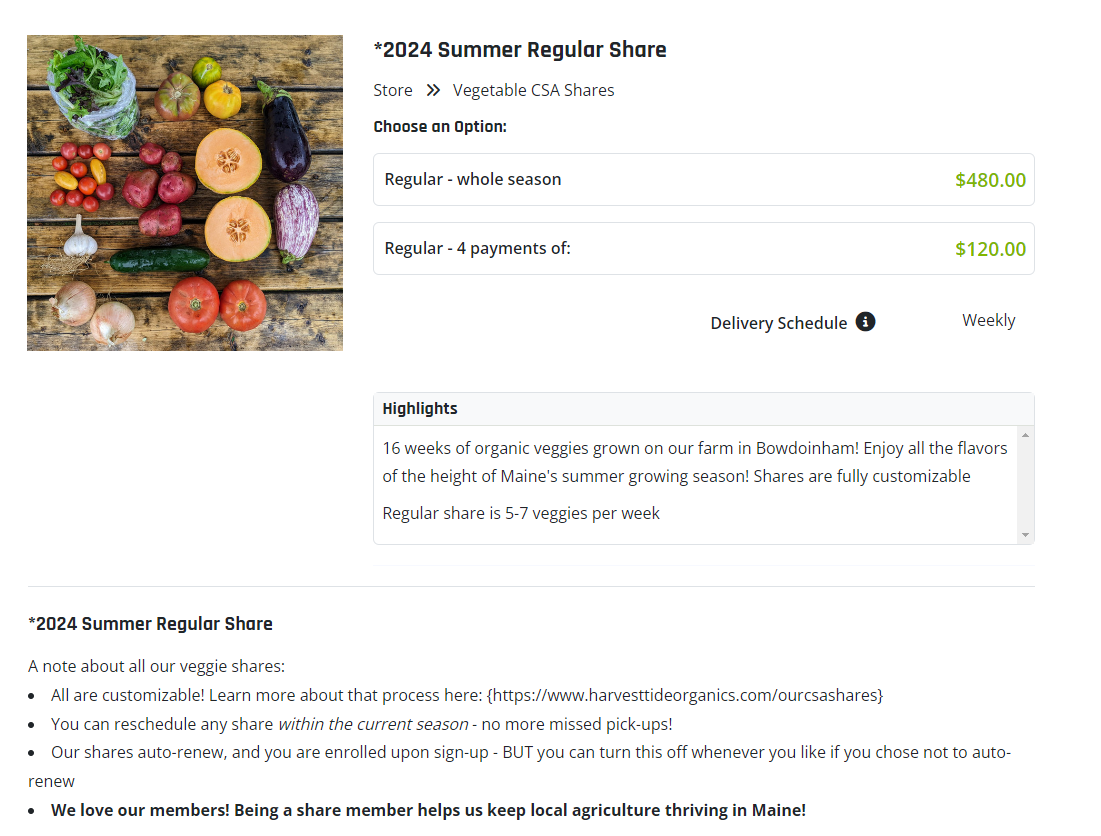
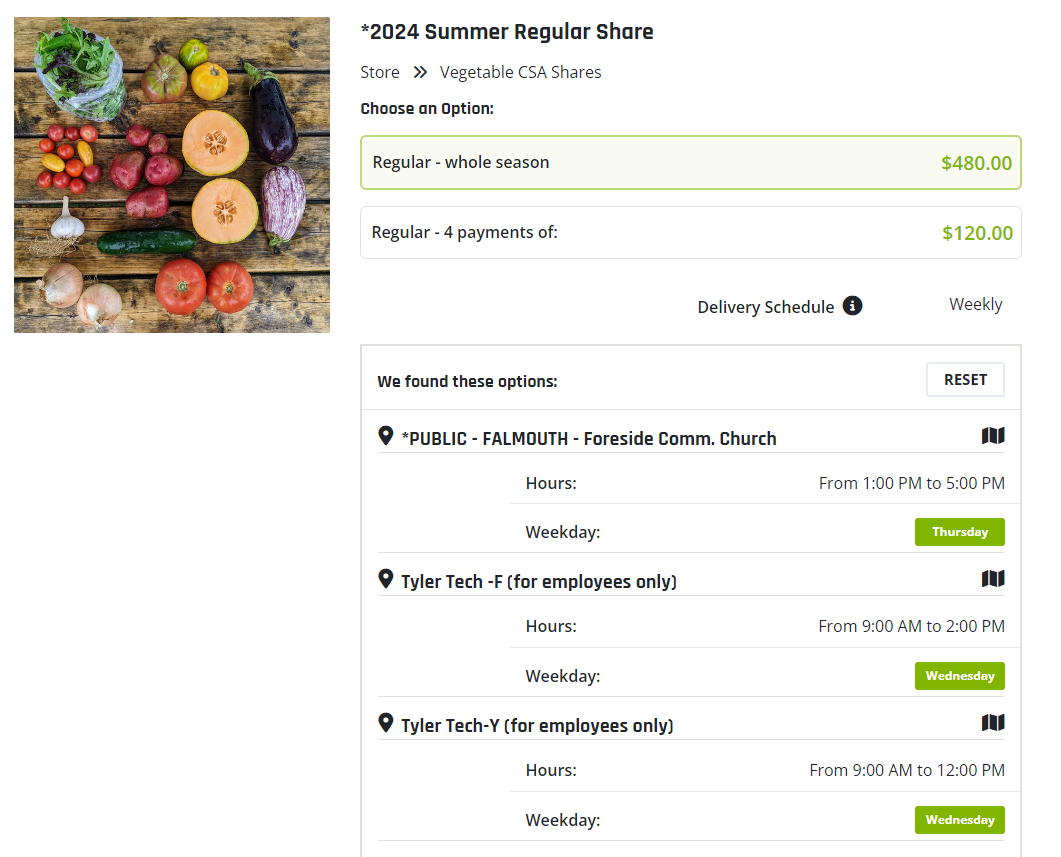
CSA Share
Other
U-Pick
Photos
About Harvest Tide Organics
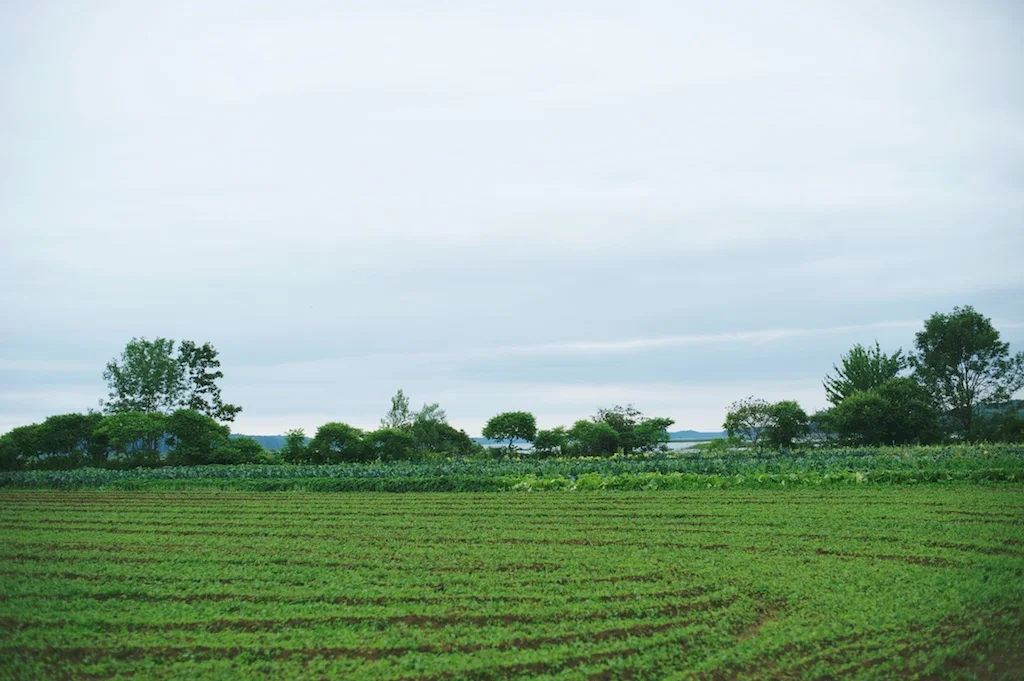
A MOFGA Certified Farm Since 2015 Our farm uses certified organic methods to grow the highest quality seasonal produce for its CSA members, wholesale purchasers, and the people of Maine. We are a family and friends-sized farm that utilizes deep rotations, intensive and efficient growing methods, and cover cropping to invest in the health of the vegetables that we produce and the soil and environment that we care for. By minimizing off-farm inputs, sourcing and selling locally, investing in our employees, and aiming for the best quality and convenience for our customers, we aim to create an economically, and ecologically sustainable business that contributes to the life and communities of Bowdoinham and Maine. We grow on approximately 45 acres in East Bowdoinham, land leased from 3 land owners. Of the 45 acres, nearly 40 acres are under cover crop management. Most of the farm is under easement with a local land trust, meaning it will never be developed. We seek to build structure and beneficial microbial biodiversity in our soil through long standing plantings of annual and perennial cover crops. Winter rye, oats, peas, clover, buckwheat, and hairy vetch are all crops that have numerous beneficial impacts on the soil and future growing conditions in a field. Along with soil health, cover crops can agreeably affect disease and pest pressures, soil fertility, soil erosion, and weed presence. Cover crops play a major role in crop rotation. One of the most important strategies to reduce the presence of disease, pests, and nutrient deficiencies is to work a comprehensive crop rotation. From year to year, crops of the same family are planted in different blocks of the field. Different crops are susceptible to different diseases and pests and have different nutrient demands. By rotating, disease and pests have less of a chance of overwintering in the soil and being able to affect a suitable Host the following season (and thus continuing their life cycle). Although this takes a lot of early season planning, it is an effective way to reduce reliance of other inputs and management practices. Even in organics, it is necessary for the farmer to apply materials to the field that add fertility to the soil, generally called fertilizers. The fertilizers we use are comprised of natural ingredients; composted poultry manure, feather meal, soy meal, blood meal, and fish meal to name a few. Due to our proximity to the unique Merrymeeting Bay ecosystem, we work to reduce nutrient runoff by using fertilizers that are more stable in the soil (are less able to flow into the bay during a rain event) and that can be applied in targeted amounts to reduce over application (more fertilizer means more opportunity for runoff). By monitoring our seasonal soil tests and working with a variety of different fertilizer combinations we can provide the nutrients that our crops need without polluting our aquatic ecosystem. Integrated Pest Management (IPM) Using a variety of tools to scout, identify, monitor, and manage disease and pest pressure we reduce our reliance on Organic inputs to control outbreaks and increase the quality and abundance of our harvests. Floating row covers are used to create a barrier between incoming pests and our crops. Habitat management on field edges can create a more ideal environment for pest insects (thus saving our crops from infestation) or it can promote the presence of beneficial insects that predate on pest insect populations. Animal fencing prevents groundhogs, deer, and racoons from foraging through our crop areas, damaging our products. With good IPM execution, we are able to provide our members with cleaner, tastier, and more consistent produce.
Our Story
A MOFGA Certified Farm Since 2015 Our farm uses certified organic methods to grow the highest quality seasonal produce for its CSA members, wholesale purchasers, and the people of Maine. We are a family and friends-sized farm that utilizes deep rotations, intensive and efficient growing methods, and cover cropping to invest in the health of the vegetables that we produce and the soil and environment that we care for. By minimizing off-farm inputs, sourcing and selling locally, investing in our employees, and aiming for the best quality and convenience for our customers, we aim to create an economically, and ecologically sustainable business that contributes to the life and communities of Bowdoinham and Maine. We grow on approximately 45 acres in East Bowdoinham, land leased from 3 land owners. Of the 45 acres, nearly 40 acres are under cover crop management. Most of the farm is under easement with a local land trust, meaning it will never be developed. We seek to build structure and beneficial microbial biodiversity in our soil through long standing plantings of annual and perennial cover crops. Winter rye, oats, peas, clover, buckwheat, and hairy vetch are all crops that have numerous beneficial impacts on the soil and future growing conditions in a field. Along with soil health, cover crops can agreeably affect disease and pest pressures, soil fertility, soil erosion, and weed presence. Cover crops play a major role in crop rotation. One of the most important strategies to reduce the presence of disease, pests, and nutrient deficiencies is to work a comprehensive crop rotation. From year to year, crops of the same family are planted in different blocks of the field. Different crops are susceptible to different diseases and pests and have different nutrient demands. By rotating, disease and pests have less of a chance of overwintering in the soil and being able to affect a suitable Host the following season (and thus continuing their life cycle). Although this takes a lot of early season planning, it is an effective way to reduce reliance of other inputs and management practices. Even in organics, it is necessary for the farmer to apply materials to the field that add fertility to the soil, generally called fertilizers. The fertilizers we use are comprised of natural ingredients; composted poultry manure, feather meal, soy meal, blood meal, and fish meal to name a few. Due to our proximity to the unique Merrymeeting Bay ecosystem, we work to reduce nutrient runoff by using fertilizers that are more stable in the soil (are less able to flow into the bay during a rain event) and that can be applied in targeted amounts to reduce over application (more fertilizer means more opportunity for runoff). By monitoring our seasonal soil tests and working with a variety of different fertilizer combinations we can provide the nutrients that our crops need without polluting our aquatic ecosystem. Integrated Pest Management (IPM) Using a variety of tools to scout, identify, monitor, and manage disease and pest pressure we reduce our reliance on Organic inputs to control outbreaks and increase the quality and abundance of our harvests. Floating row covers are used to create a barrier between incoming pests and our crops. Habitat management on field edges can create a more ideal environment for pest insects (thus saving our crops from infestation) or it can promote the presence of beneficial insects that predate on pest insect populations. Animal fencing prevents groundhogs, deer, and racoons from foraging through our crop areas, damaging our products. With good IPM execution, we are able to provide our members with cleaner, tastier, and more consistent produce.
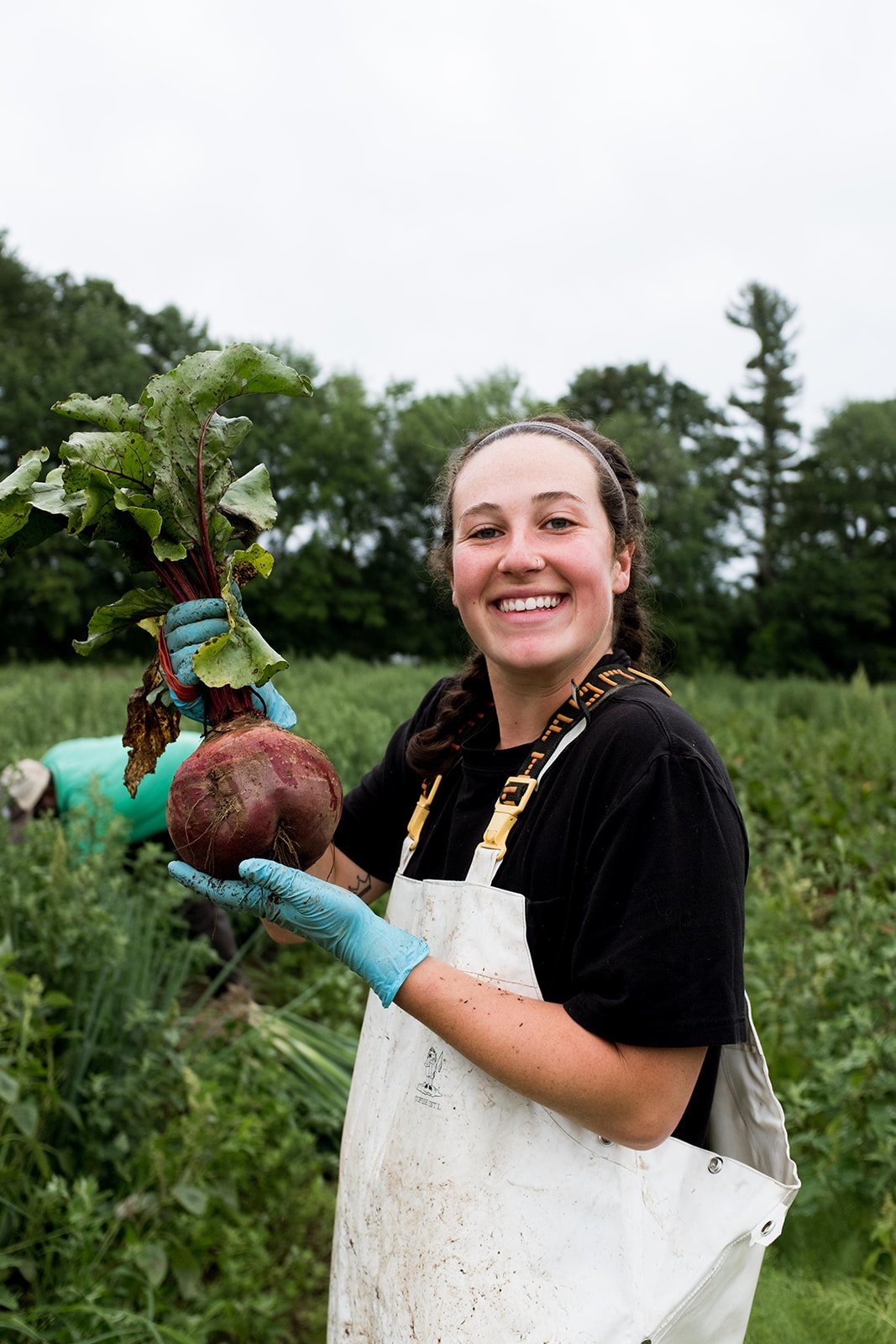
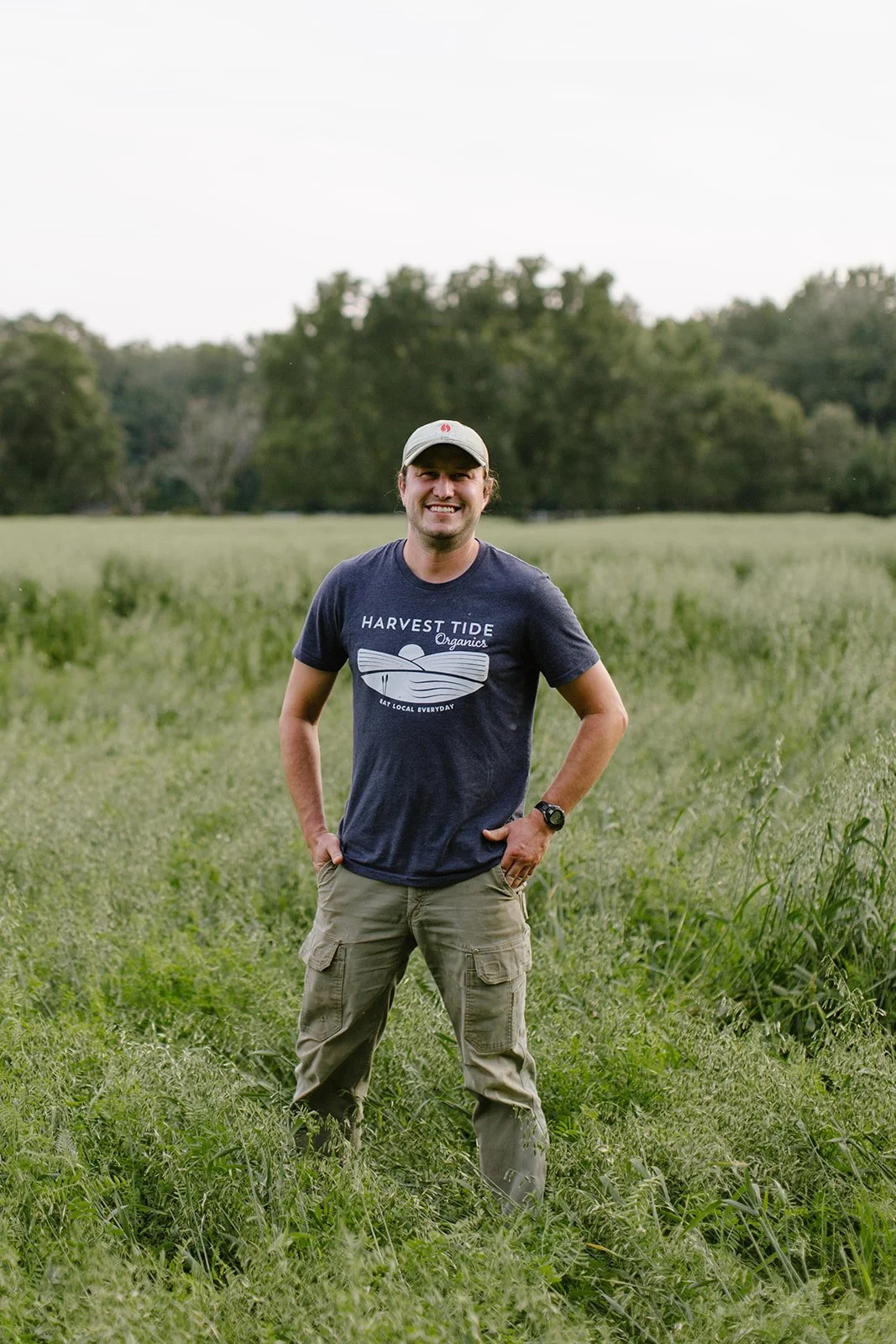
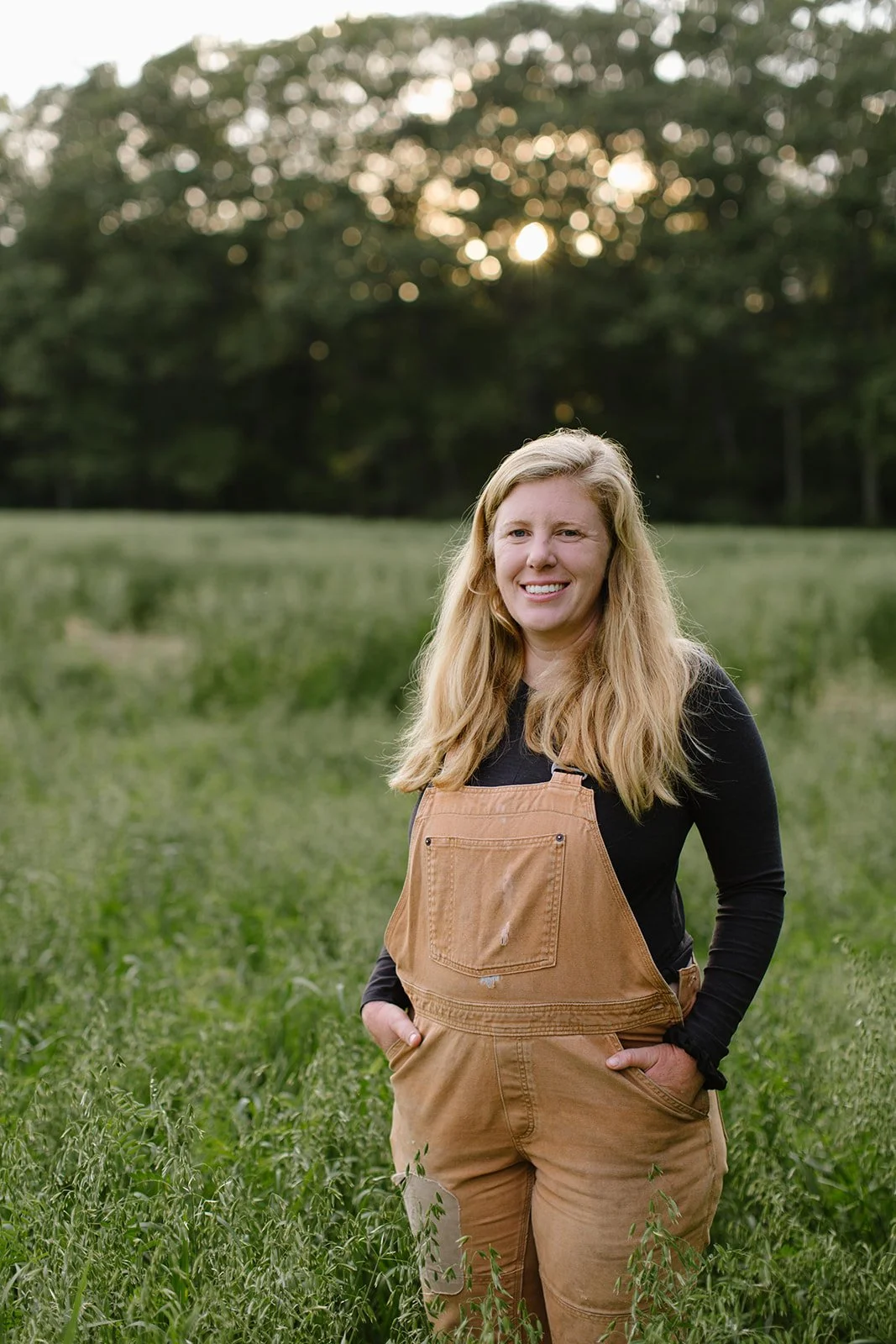
Meet Bethany Allen
Farm Owner · Since 2015
What Sets This Farm Apart
Self-ReportedEvery practice listed here means something specific. Tap any practice to learn what it requires and why it matters.
Dairy
General Practices
Pork
Poultry & Eggs
Self-reported practices. This farm has provided information about their practices, but they have not yet been independently verified by Bhumi.
Hours & Operations
| monday | Closed |
| tuesday | Closed |
| wednesday | Closed |
| thursday | Closed |
| friday | Closed |
| saturday | Closed |
| sunday | Closed |
Location & Directions
Quick Facts
Practices