




Joshua Farm
UnverifiedPoultry Farm
Photos
About Joshua Farm
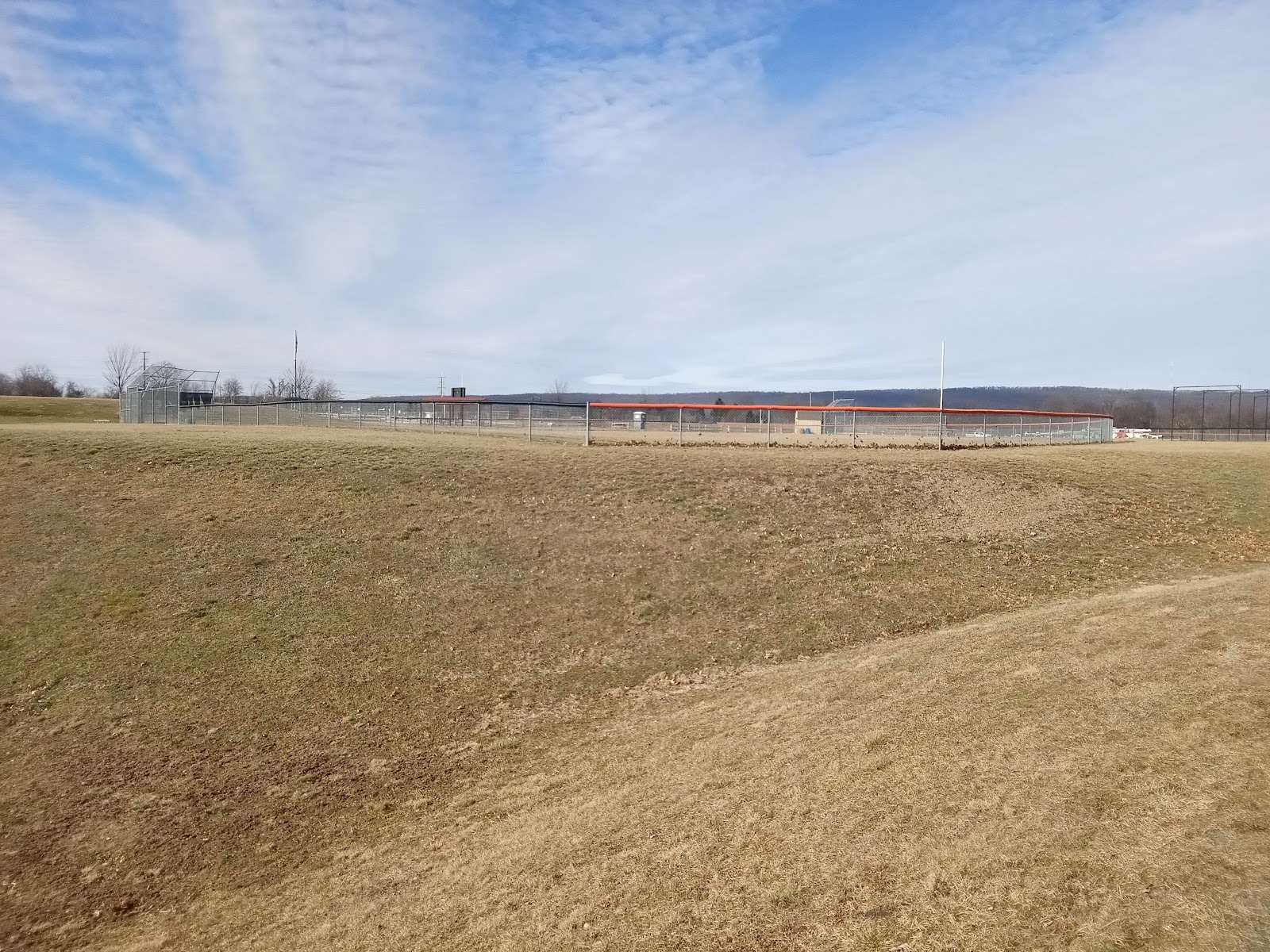
Joshua Farm has been a labor of love from its beginning, and many hands have helped it to become what it is today. The short story: a woman had an idea to start a farm, an existing non-profit organization saw the potential for its youth participants to benefit, and people gathered to bring the dream to fruition and share in the bounty. The first crops were harvested in 2006, and the farm has grown steadily since then. But maybe you want the longer version, the bigger picture with details? Settle in. . . The story of how Joshua Farm got started is a very personal one for me, and so it might be best to share a little bit about who I am. I grew up in rural Lebanon County, on a farm but not in a farming family. We rented out most of the barn, pasture, and fields to a neighboring farmer for his heifers and crops. We kept horses, chickens, barn cats, and an array of indoor pets. I remember planting a garden with my parents, but I don’t remember ever harvesting anything—we would usually go away for a weekend in June and come back to find that either the weeds had taken over or the cows had gotten out and trampled everything! In college, I worked springs and summers at a greenhouse, and enjoyed that break from the mental gymnastics of school. I moved to the city of Harrisburg in 1999 with my husband. A few years later, I joined a Community Supported Agriculture (CSA) program in York County. I had a working share, which meant that I worked 4 hours each week during the growing season in exchange for my food. I did that for three summers, and was introduced to many basic principles of sustainable agriculture by the friendly and knowledgeable folks atGoldfinch Farm. In the meantime, my parents had divorced and were planning to sell the farm in Lebanon County. There is a lot of development happening in that area, and I was worried that the farm would be subdivided for housing. My husband (who is a social worker and not interested in farming as a vocation) and I talked about buying the family farm. I started reading about farming, and we attended a conference called “Farming with Values that Last” to learn what questions we should be asking. I couldn’t see myself doing commodity farming, but I wasn’t sure what other options there were. At the conference, I met some folks who ran an urban farm in Pittsburgh. I was intrigued by the idea, and started researching and visiting urban farms, traveling to Chicago, Pittsburgh, Philadelphia, and Boston to meet people doing amazing projects on small plots of land. Meanwhile, Darrel and I decided that we weren’t comfortable taking on the financial strain of purchasing a $550,000 farm, we didn’t want to give up our network of support in Harrisburg, and we weren’t ready to trade in our urban life for rural life, so we decided not to purchase the family farm in Lebanon County. (sidenote: the farm was later sold at auction to a conservative Mennonite family with 8 children, who plans to farm it). Around that time, on one of my walks around the neighborhood with my son, I rediscovered a vacant lot three blocks from our house, in the heart of east Allison Hill. I did some research, and found that it was owned by the Harrisburg School District. Until the mid 1970s, it had been the athletic field for a nearby junior high school. When the school closed and was turned into subsidized housing (what is now Edison Village), the field was put up for sale. It had been only minimally maintained since that time. The school district mowed it when the neighbors complained about tall grass, and at one point had put up a fence along the north side to discourage people from abandoning vehicles and furniture there. I contacted the school district and asked if I could lease the field (buying it was out of the question at that point—we had no money, and the cost would have been outrageous for farmland, along the lines of $75,000/acre). This was in September 2004. The school district said they
Our Story
Joshua Farm has been a labor of love from its beginning, and many hands have helped it to become what it is today. The short story: a woman had an idea to start a farm, an existing non-profit organization saw the potential for its youth participants to benefit, and people gathered to bring the dream to fruition and share in the bounty. The first crops were harvested in 2006, and the farm has grown steadily since then. But maybe you want the longer version, the bigger picture with details? Settle in. . . The story of how Joshua Farm got started is a very personal one for me, and so it might be best to share a little bit about who I am. I grew up in rural Lebanon County, on a farm but not in a farming family. We rented out most of the barn, pasture, and fields to a neighboring farmer for his heifers and crops. We kept horses, chickens, barn cats, and an array of indoor pets. I remember planting a garden with my parents, but I don’t remember ever harvesting anything—we would usually go away for a weekend in June and come back to find that either the weeds had taken over or the cows had gotten out and trampled everything! In college, I worked springs and summers at a greenhouse, and enjoyed that break from the mental gymnastics of school. I moved to the city of Harrisburg in 1999 with my husband. A few years later, I joined a Community Supported Agriculture (CSA) program in York County. I had a working share, which meant that I worked 4 hours each week during the growing season in exchange for my food. I did that for three summers, and was introduced to many basic principles of sustainable agriculture by the friendly and knowledgeable folks atGoldfinch Farm. In the meantime, my parents had divorced and were planning to sell the farm in Lebanon County. There is a lot of development happening in that area, and I was worried that the farm would be subdivided for housing. My husband (who is a social worker and not interested in farming as a vocation) and I talked about buying the family farm. I started reading about farming, and we attended a conference called “Farming with Values that Last” to learn what questions we should be asking. I couldn’t see myself doing commodity farming, but I wasn’t sure what other options there were. At the conference, I met some folks who ran an urban farm in Pittsburgh. I was intrigued by the idea, and started researching and visiting urban farms, traveling to Chicago, Pittsburgh, Philadelphia, and Boston to meet people doing amazing projects on small plots of land. Meanwhile, Darrel and I decided that we weren’t comfortable taking on the financial strain of purchasing a $550,000 farm, we didn’t want to give up our network of support in Harrisburg, and we weren’t ready to trade in our urban life for rural life, so we decided not to purchase the family farm in Lebanon County. (sidenote: the farm was later sold at auction to a conservative Mennonite family with 8 children, who plans to farm it). Around that time, on one of my walks around the neighborhood with my son, I rediscovered a vacant lot three blocks from our house, in the heart of east Allison Hill. I did some research, and found that it was owned by the Harrisburg School District. Until the mid 1970s, it had been the athletic field for a nearby junior high school. When the school closed and was turned into subsidized housing (what is now Edison Village), the field was put up for sale. It had been only minimally maintained since that time. The school district mowed it when the neighbors complained about tall grass, and at one point had put up a fence along the north side to discourage people from abandoning vehicles and furniture there. I contacted the school district and asked if I could lease the field (buying it was out of the question at that point—we had no money, and the cost would have been outrageous for farmland, along the lines of $75,000/acre). This was in September 2004. The school district said they
Meet the Harrisburg
Farmers Market Owner · Since 2010
What Sets This Farm Apart
UnverifiedEvery practice listed here means something specific. Tap any practice to learn what it requires and why it matters.
Not verified by Bhumi. This farm's practices have not been independently verified. Product claims (grass-fed, pasture-raised, organic, etc.) are based on publicly available information and have not been confirmed.
Hours & Operations
Location & Directions
Quick Facts
Practices