

Our Animals
Cattle
Santa Gertrudis
Other
Santa Cruz, Quarter Horses, Thoroughbreds
Photos
About King Ranch Inc
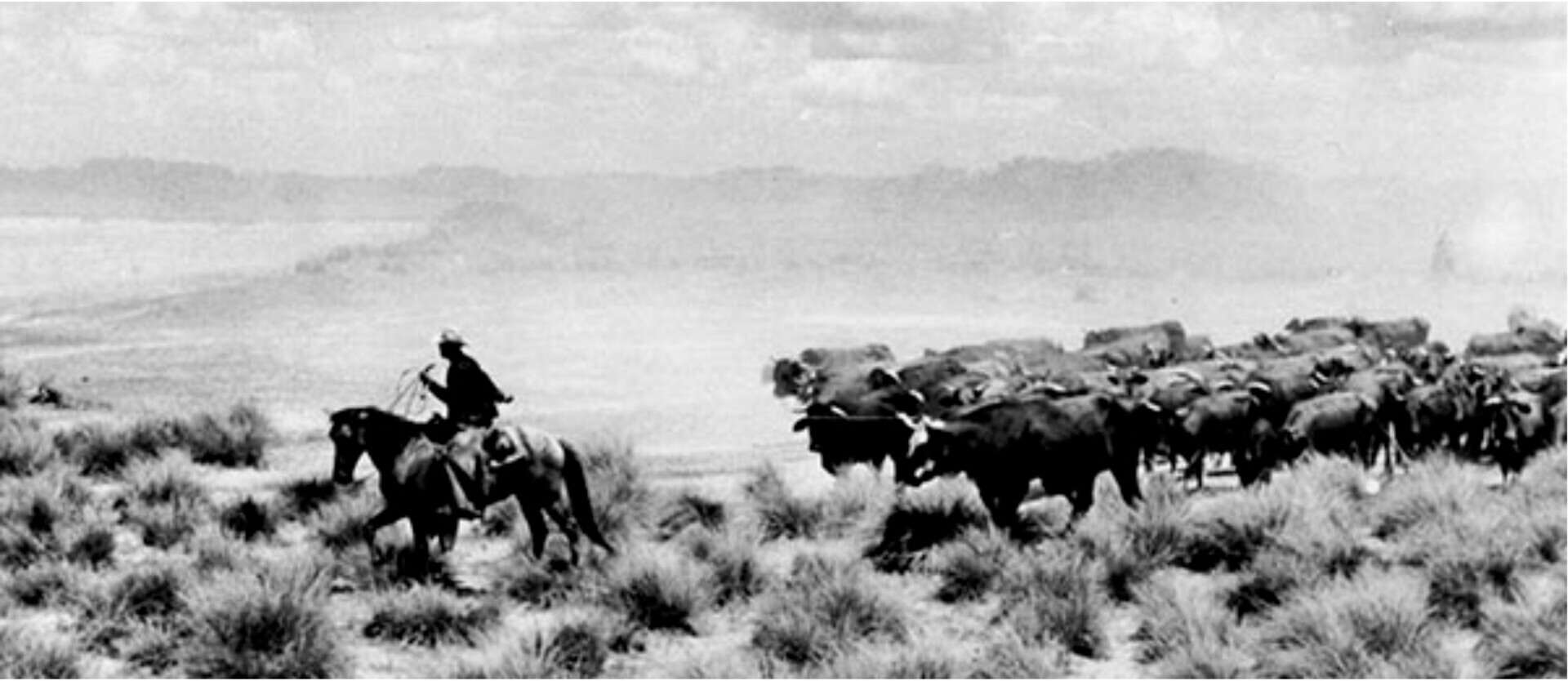
History Los Kineños The Running WThoroughbreds Quarter Horses Cattle Timeline Maps King Ranch Blog By the end of the war between the states, King Ranch had grown to 146,000 acres – supporting thousands of head of cattle. Captain King’s domesticated Longhorns were some of the very first hoof stock to comprise the early northward Texas cattle drives. Around this time, Captain King registered a brand that has since taken on mythic significance in the taming of the West – the famous “Running W”. Richard King’s sense of adventure was rivaled only by his vision and ability to seize on new business opportunities. In addition to tirelessly working to improve the Ranch, he invested in building railroads, packinghouses, ice plants, and harbor improvements for the Port of Corpus Christi. He was keen on creating the infrastructure that would get his product to market in the most efficient way possible. Scientific upbreeding programs have been hallmarks of King Ranch since its inception, and they have paid off in spades. The upshot of one such program in the years after King’s death would be the development of the Santa Gertrudis breed of cattle– the first officially recognized new breed of beef cattle in America. Other upbreeding programs led to the development of the country’s top Quarter Horsesand some of America’s most notable Thoroughbreds – including 1946 Triple Crown winner ASSAULT. Twenty-first century King Ranch maintains the tradition of meticulous upbreeding that has distinguished the Ranch through many generations. The sale of bulls and seed stock are important components of the Ranch’s contemporary business. The boy who started as an impoverished, indentured jeweler’s apprentice became and adventuresome, hard working and visionary businessman who, by the time of his death in 1885, had made his indelible mark on the landscape and taken his place as a titan among the ranks of the tamers of the Texas range. The Texas Fever Tick created significant problems for the marketing of cattle from South Texas. Robert J. Kleberg designed the first cattle dipping vats to battle the tick. Robert J. Kleberg oversaw the building of cross fences that divided the vast acreage into managed pastures. He established a concerted program to accelerate the breed improvement of horses and cattle on the Ranch. He imported top equine stock and led efforts to develop a cattle breed that could withstand the harsh South Texas climate. He also initiated an aggressive mesquite-clearing program. The Texas Fever Tick created significant problems for the marketing of cattle from South Texas. Robert J. Kleberg designed the first cattle dipping vats to battle the tick. In addition to all of these accomplishments, Mr. Kleberg built a facility that was, for a time, the largest cattle rail operation in the world. During this era, Robert J. Kleberg and Mrs. King continued to improve and diversify the assets of King Ranch with agricultural development, land sales, and town building projects. In 1904, their efforts were instrumental in helping to build the St. Louis, Brownsville & Mexico Railway — as well as several towns along the newly laid track, including Kingsville. Before her death in 1925, Henrietta King had donated land and funds toward the construction of churches, libraries, and school projects (creating an oasis of community development) in this previously untamed land. The Birth of the Santa Gertrudis Breed When their father’s health declined in the early twentieth century, two of the five children born to Robert J. and Alice King Kleberg assumed responsibility for the Ranch. Richard Mifflin (Mr. Dick) Kleberg, Sr., who served as a seven-term member of the US Congress, handled the legal and financial aspects of the Ranch. Robert Justus Kleberg, Jr. (Mr. Bob) acted as head of Ranch operations and continued as President and CEO for the next fifty years. It was during these transitional years that King Ranch made its name in animal husbandry. By crossbreedi
Our Story
History Los Kineños The Running WThoroughbreds Quarter Horses Cattle Timeline Maps King Ranch Blog By the end of the war between the states, King Ranch had grown to 146,000 acres – supporting thousands of head of cattle. Captain King’s domesticated Longhorns were some of the very first hoof stock to comprise the early northward Texas cattle drives. Around this time, Captain King registered a brand that has since taken on mythic significance in the taming of the West – the famous “Running W”. Richard King’s sense of adventure was rivaled only by his vision and ability to seize on new business opportunities. In addition to tirelessly working to improve the Ranch, he invested in building railroads, packinghouses, ice plants, and harbor improvements for the Port of Corpus Christi. He was keen on creating the infrastructure that would get his product to market in the most efficient way possible. Scientific upbreeding programs have been hallmarks of King Ranch since its inception, and they have paid off in spades. The upshot of one such program in the years after King’s death would be the development of the Santa Gertrudis breed of cattle– the first officially recognized new breed of beef cattle in America. Other upbreeding programs led to the development of the country’s top Quarter Horsesand some of America’s most notable Thoroughbreds – including 1946 Triple Crown winner ASSAULT. Twenty-first century King Ranch maintains the tradition of meticulous upbreeding that has distinguished the Ranch through many generations. The sale of bulls and seed stock are important components of the Ranch’s contemporary business. The boy who started as an impoverished, indentured jeweler’s apprentice became and adventuresome, hard working and visionary businessman who, by the time of his death in 1885, had made his indelible mark on the landscape and taken his place as a titan among the ranks of the tamers of the Texas range. Consolidation and Organization The Texas Fever Tick created significant problems for the marketing of cattle from South Texas. Robert J. Kleberg designed the first cattle dipping vats to battle the tick. Robert J. Kleberg oversaw the building of cross fences that divided the vast acreage into managed pastures. He established a concerted program to accelerate the breed improvement of horses and cattle on the Ranch. He imported top equine stock and led efforts to develop a cattle breed that could withstand the harsh South Texas climate. He also initiated an aggressive mesquite-clearing program. The Texas Fever Tick created significant problems for the marketing of cattle from South Texas. Robert J. Kleberg designed the first cattle dipping vats to battle the tick. In addition to all of these accomplishments, Mr. Kleberg built a facility that was, for a time, the largest cattle rail operation in the world. During this era, Robert J. Kleberg and Mrs. King continued to improve and diversify the assets of King Ranch with agricultural development, land sales, and town building projects. In 1904, their efforts were instrumental in helping to build the St. Louis, Brownsville & Mexico Railway — as well as several towns along the newly laid track, including Kingsville. Before her death in 1925, Henrietta King had donated land and funds toward the construction of churches, libraries, and school projects (creating an oasis of community development) in this previously untamed land. The Birth of the Santa Gertrudis Breed When their father’s health declined in the early twentieth century, two of the five children born to Robert J. and Alice King Kleberg assumed responsibility for the Ranch. Richard Mifflin (Mr. Dick) Kleberg, Sr., who served as a seven-term member of the US Congress, handled the legal and financial aspects of the Ranch. Robert Justus Kleberg, Jr. (Mr. Bob) acted as head of Ranch operations and continued as President and CEO for the next fifty years. It was during these transitional years that King Ranch made its name in
Meet Captain Richard King
Farm Owner · Since 1940
What Sets This Farm Apart
UnverifiedEvery practice listed here means something specific. Tap any practice to learn what it requires and why it matters.
Not verified by Bhumi. This farm's practices have not been independently verified. Product claims (grass-fed, pasture-raised, organic, etc.) are based on publicly available information and have not been confirmed.
Hours & Operations
Location & Directions
Quick Facts
Practices