Marini Farm Stand (Opening 4/29)
UnverifiedDiversified Family Farm
Corn Maze | Ipswich, MA
Photos
About Marini Farm Stand (Opening 4/29)
Our Story
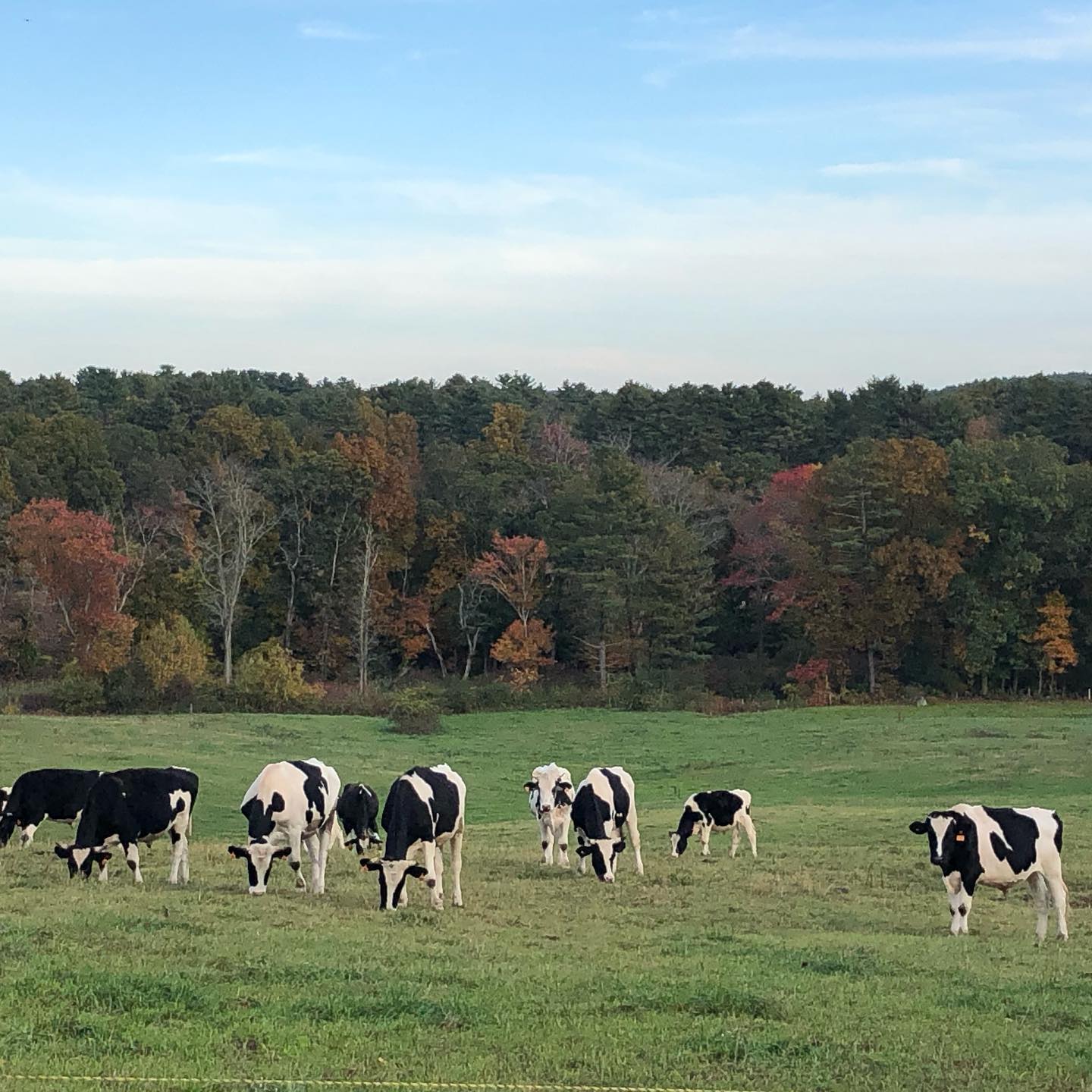
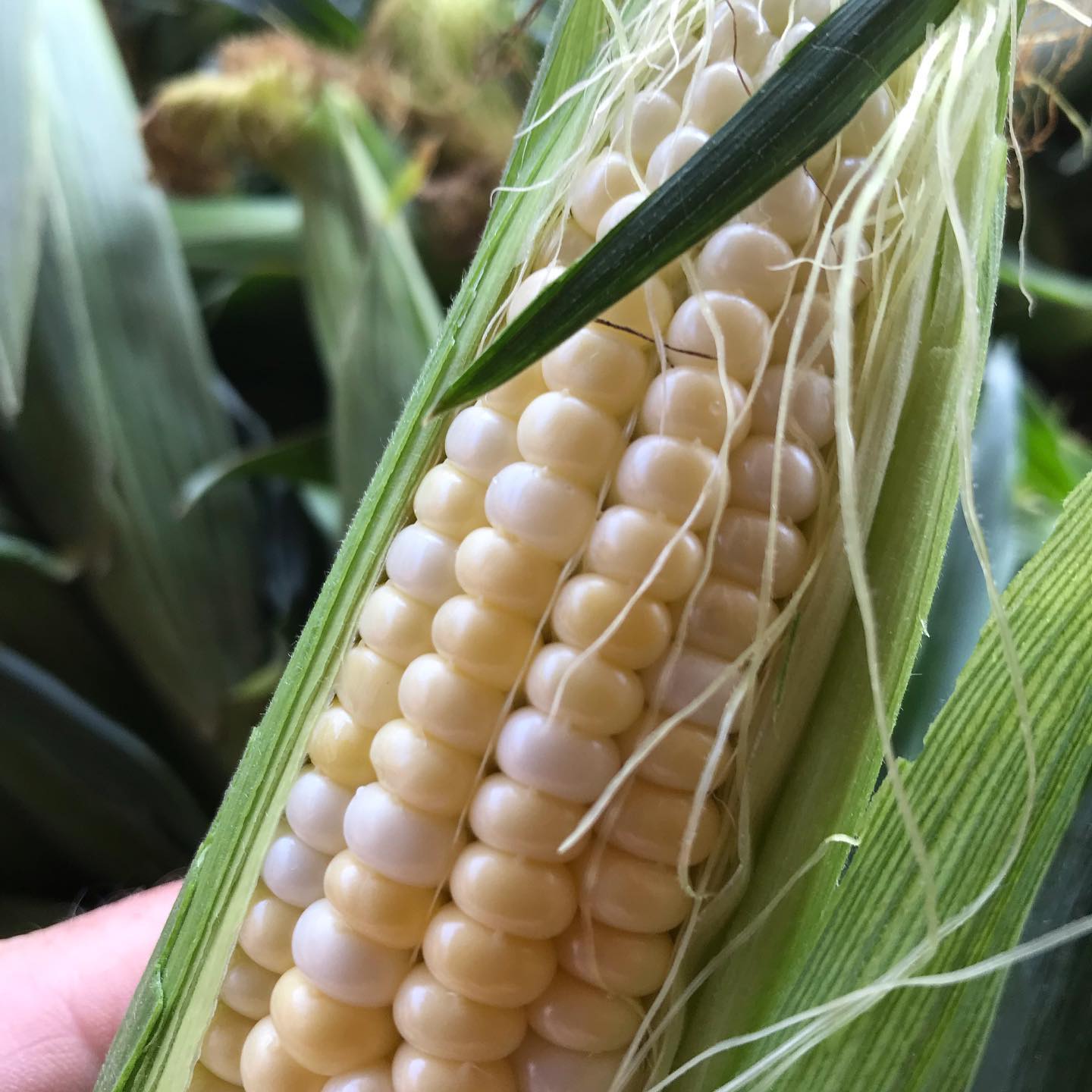
REOPENING April 25th8:30am to 6:00pm Maze Park Play Area Hours: CLOSED FOR THE SEASONREOPENING FALL 2026 ABOUTCONTACTHISTORYEMPLOYMENTDONATIONS FARMFARM STANDGREENHOUSESBAKERYHOW WE GROW SPRING/SUMMERCUT YOUR OWN LAVENDER CUT YOUR OWN LAVENDER FALLGROUPS & BIRTHDAYSDOGGY MAZE DAZEHALLOW-MARINI PARTYTRICK OR TREAT HAYRIDESHOLIDAY COOKIE DECORATING TRICK OR TREAT HAYRIDES HOLIDAY COOKIE DECORATING CHRISTMASCHRISTMAS ON THE HILL CHRISTMAS ON THE HILL Family-Owned Business In 1928, three families who were all ‘related’ emigrated from Italy to the United States. Joseph Marini, Tony & Peter Iorie, and Jerry Angelina would come to settle in Ipswich, MA and buy the land that would become Marini Farm. The families lived together and worked the farm until 1938. After many years of kitchen arguments over pots, pans, and pasta it was decided that four Italian women cooking in the same kitchen was not working. The families had outgrown the farm and it was time move on. The Angelinas and the Iorie families moved from the original farm to buy land in Wenham, MA. The Iorie family would eventually move again and purchase a farm in Florida. All of them would continue the family tradition and cultivate the land in Ipswich, Wenham, and Florida. In 1978, once the Ipswich estate was settled, the Marini family became the sole owners of the property. Today, all three family farms are still in production. Marini Farm began as a strictly wholesale business. Most of the fruits and vegetables grown were trucked to the local A&P and the Boston Produce Market. The main crops were fresh strawberries, blueberries, raspberries, tomatoes, potatoes, pears, and apples. Although Marini Farm was famous for their high quality fruits and vegetables, they were not limited to these products. The farm was also home to more then 10,000 chickens and 3 cows. The eggs from the chickens were gathered daily and delivered to many towns from Ipswich to Salem. Two of the farms biggest customers were the Salem Jail and Endicott College. Although the chickens were part of the wholesale business, the cows were not. The milk produced by the cows was used solely by the family – however, if there was extra milk it would be made into cheese and sold along the egg route. In the late 1960’s the egg business began to decline, but the apple cider business was taking root at the farm. The Marini Farm apple cider production took off both in the retail and wholesale markets throughout the North Shore. By the early 1990’s the farm was pressing over 60,000 gallons of cider a year. Unfortunately, in the mid 90’s in Washington state, a death related to E-Coli was traced to a ‘farm’ using contaminated apples. This incident resulted in laws on pasteurization to change nationwide. In 1998, a decision was made to not invest in a pasteurization system. It was a difficult decision, but one the farm was forced to make. Today, people still ask about Marini Farm Cider. For 30 years, Marini Farm was exclusively wholesale. One day in 1972, Gina Marini was picking a bumper crop of strawberries. After picking for a few hours, she realized that she had picked too many for the daily wholesale orders. She went into the farmhouse and emerged with a chair and a sign that read “Fresh Strawberries For Sale”. In no time, the strawberries were sold and our retail business was born. Today, Marini Farm grows over 200 acres of mixed fruits and vegetables. This produce is supplied to local supermarkets and sold at the retail farm market on Linebrook Road. The farm also leases property around the area and this allows them to grow over 100 acres of sweet corn – their most popular crop. The vegetables are still picked daily in the early morning to ensure quality and freshness. The
Meet Joseph and Gina Marini
Farm Stand Owner · Since 1928
What Sets This Farm Apart
UnverifiedEvery practice listed here means something specific. Tap any practice to learn what it requires and why it matters.
Dairy
Not verified by Bhumi. This farm's practices have not been independently verified. Product claims (grass-fed, pasture-raised, organic, etc.) are based on publicly available information and have not been confirmed.
Hours & Operations
Location & Directions
Quick Facts
Practices