Old South Pearl Street Association - Farmers Market
UnverifiedMixed Livestock Farm
Our Animals
Cattle
Cattle: Wagyu
Pigs
Pig: Berkshire
How We Process
How to Buy
Markets & Stores
farmers market
Online & Ordering
online ordering
Photos
About Old South Pearl Street Association - Farmers Market
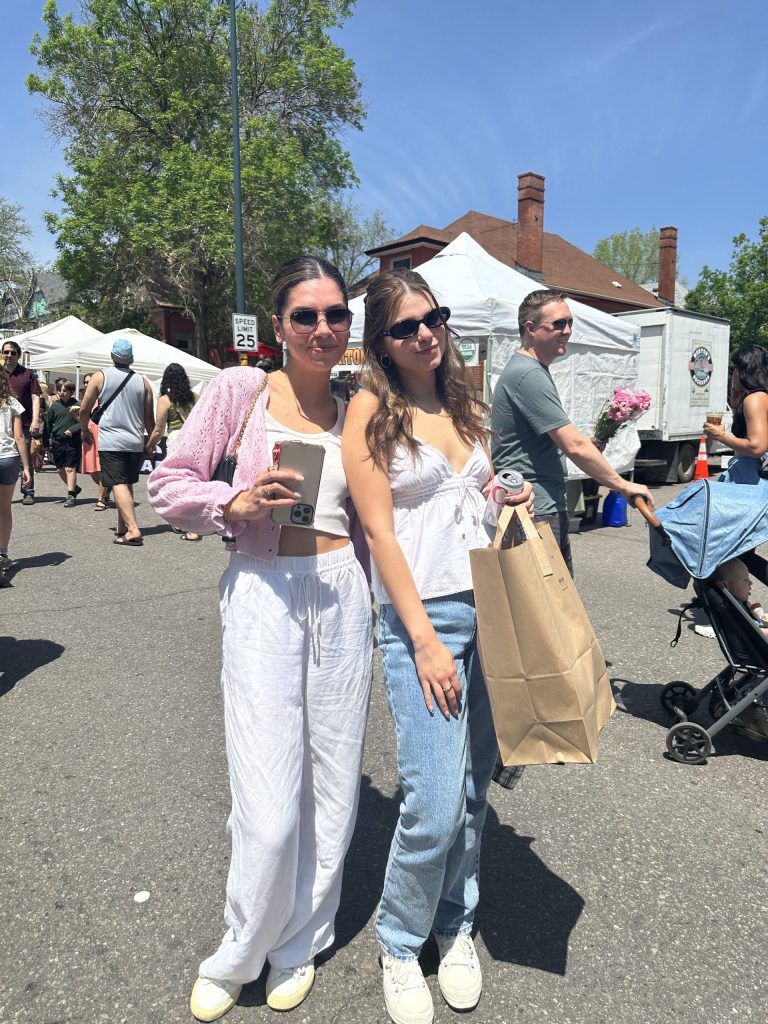
In June of 1893, the Denver Tramway Company extended its trolley car line from Alameda to Jewell Avenues along South Pearl Street. A few years later, tracks were completed south to Evans Avenue and then east to service the growing University of Denver campus. Soon, the University soon earned the nickname “Tramway Tech” and the building boom was on. From 1900 through 1915 several multi-use buildings were completed along the thriving corridor. Growing neighborhoods needed retail and service-oriented businesses and soon barber and beauty shops, grocers, dry goods stores, tailors, bakeries, pharmacies, five-and-dime stores, mechanics’ garages, movie houses, and diners were plying their trades all along South Pearl Street. The stock market crash of 1929 and the subsequent Great Depression forced many to abandon their businesses. But the surrounding neighborhoods still managed to grow and new businesses moved in. After World War II, South Pearl Street began a revitalization that lasted into the late ‘50s and the electric trolley cars were replaced with rubber-wheeled trolley coaches. But shopping habits and trends the 1960s and ‘70s brought new regional shopping malls to the metro area drawing customers away from the smaller mom-and-pop businesses on Pearl Street. Small businesses found themselves struggling again and many were eventually abandoned. But South Pearl would rise again. Attracted by inexpensive rental rates, artisans and eccentrics set up shop in the vacant storefronts. Painters, sculptors, and potters formed a loose association to promote their wares and their artistic energy marked the ‘70s on the street. As the economy rebounded, South Pearl Street attracted larger restaurants and pubs. Landmarks like Sushi Den and the Pearl Street Grill found their niche and flourished. Today, Light Rail moves thousands of riders through the Pearl Street Station every day and unique retailers, renowned eateries, trend-setting boutiques, personal service providers as well as popular music festivals and weekend farmers’ markets make South Pearl Street a fun and funky experience. So put on your shades and come on down—our second century looks brighter than ever. Rich Delanoy, was a longtime member of the Old South Pearl Street Association, and also served on the board of directors of the Platt Park People’s Association. He contributed to this history. CopyrightOld South Pearl Street. All rights reserved. Site designed byOne Ton Creative. South Pearl Bucks are Valid at the Following Merchants:5 Green BoxesAligned OrthodonticsBase Camp CycleryBirdClean Your Dirty FaceCommon ThreadsConfia CollectiveDuffeyrollFire Lily AcupunctureGallery 1505Gracie’s BoutiqueHazelJack’s on PearlJJ Cunningham GalleryKaos PizzaLavender CoffeeMelrose & MadisonMia Sorensen EstheticsNixon’s CoffeePearl Wine CompanyPlatt Park BrewingQue Bueno SuerteRide RevolutionRPO FramingRuby’s MarketSecond Star to the RightSexy PizzaStella’s CoffeeStir-Pan CreameryTwin Rivers IV LoungeUno Mas TaqueriaWash Park Pediatric DentistryWheelhouse GiftsWhere the Sidewalk Ends South Pearl Bucks are Valid at the Following Merchants:
Our Story
In June of 1893, the Denver Tramway Company extended its trolley car line from Alameda to Jewell Avenues along South Pearl Street. A few years later, tracks were completed south to Evans Avenue and then east to service the growing University of Denver campus. Soon, the University soon earned the nickname “Tramway Tech” and the building boom was on. From 1900 through 1915 several multi-use buildings were completed along the thriving corridor. Growing neighborhoods needed retail and service-oriented businesses and soon barber and beauty shops, grocers, dry goods stores, tailors, bakeries, pharmacies, five-and-dime stores, mechanics’ garages, movie houses, and diners were plying their trades all along South Pearl Street. The stock market crash of 1929 and the subsequent Great Depression forced many to abandon their businesses. But the surrounding neighborhoods still managed to grow and new businesses moved in. After World War II, South Pearl Street began a revitalization that lasted into the late ‘50s and the electric trolley cars were replaced with rubber-wheeled trolley coaches. But shopping habits and trends the 1960s and ‘70s brought new regional shopping malls to the metro area drawing customers away from the smaller mom-and-pop businesses on Pearl Street. Small businesses found themselves struggling again and many were eventually abandoned. But South Pearl would rise again. Attracted by inexpensive rental rates, artisans and eccentrics set up shop in the vacant storefronts. Painters, sculptors, and potters formed a loose association to promote their wares and their artistic energy marked the ‘70s on the street. As the economy rebounded, South Pearl Street attracted larger restaurants and pubs. Landmarks like Sushi Den and the Pearl Street Grill found their niche and flourished. Today, Light Rail moves thousands of riders through the Pearl Street Station every day and unique retailers, renowned eateries, trend-setting boutiques, personal service providers as well as popular music festivals and weekend farmers’ markets make South Pearl Street a fun and funky experience. So put on your shades and come on down—our second century looks brighter than ever. Rich Delanoy, was a longtime member of the Old South Pearl Street Association, and also served on the board of directors of the Platt Park People’s Association. He contributed to this history.
Meet Michelle Lasnier
Farmers Market Owner · Since 2014
What Sets This Farm Apart
UnverifiedEvery practice listed here means something specific. Tap any practice to learn what it requires and why it matters.
Not verified by Bhumi. This farm's practices have not been independently verified. Product claims (grass-fed, pasture-raised, organic, etc.) are based on publicly available information and have not been confirmed.
Hours & Operations
Location & Directions
Quick Facts
Practices