

Photos
About Original Farmers' Market at the Indianapolis City Market
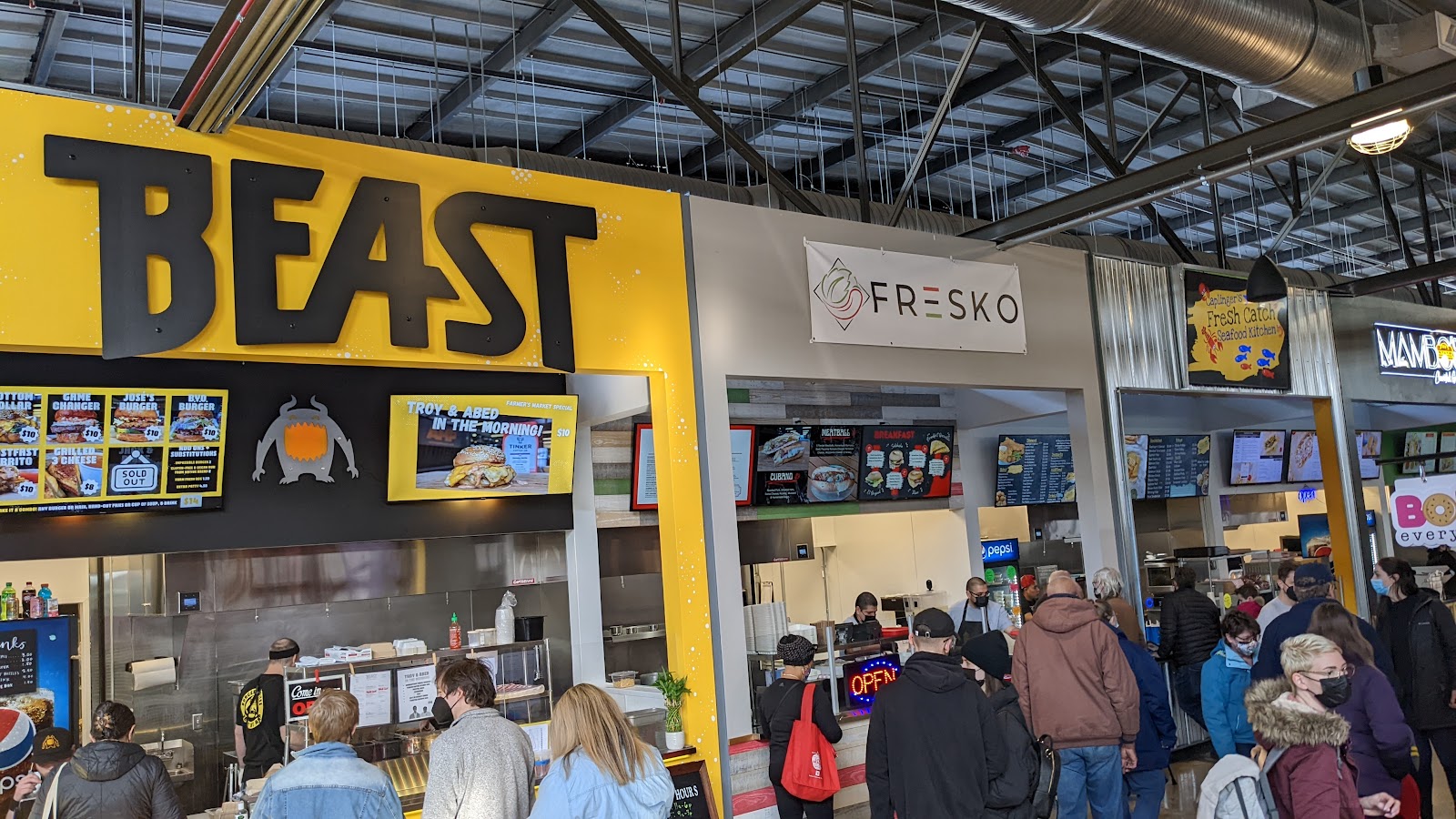
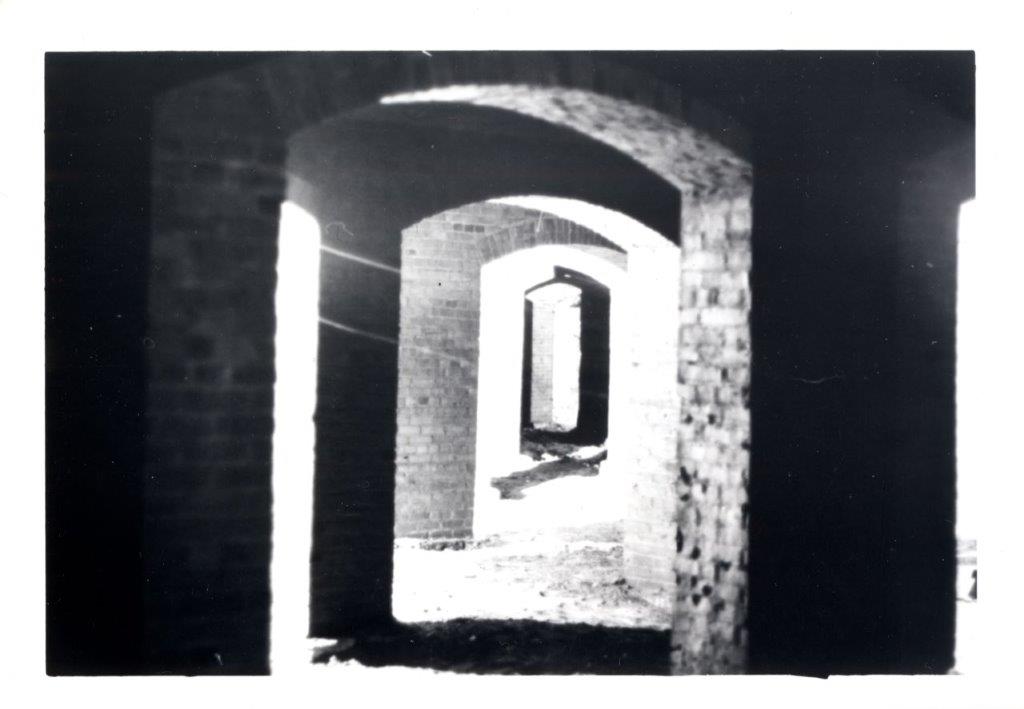
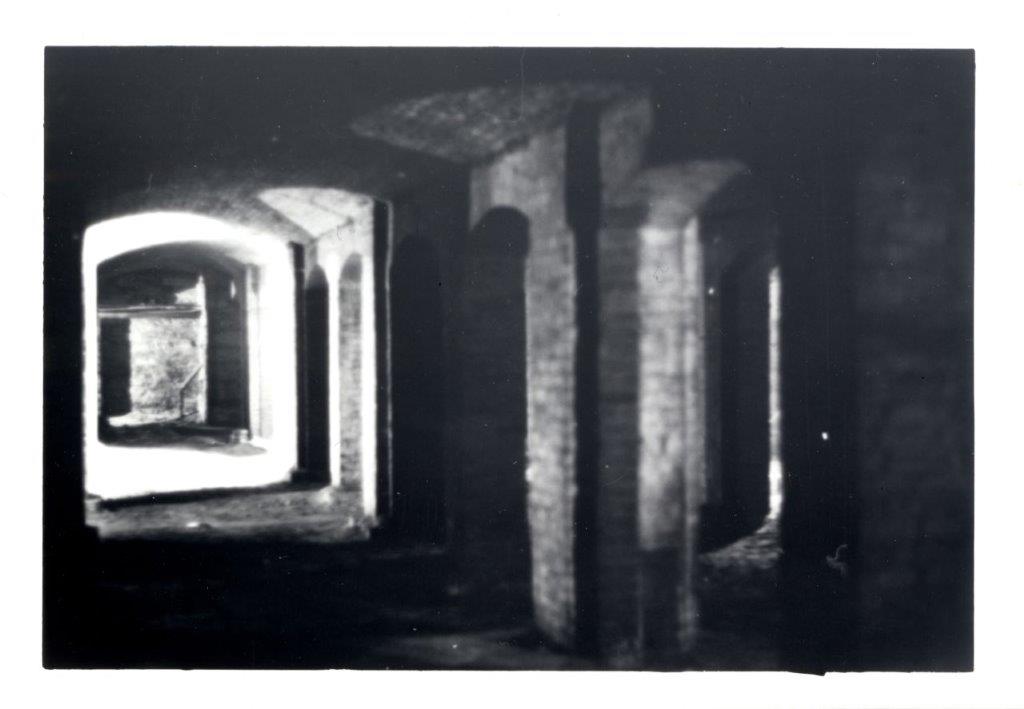
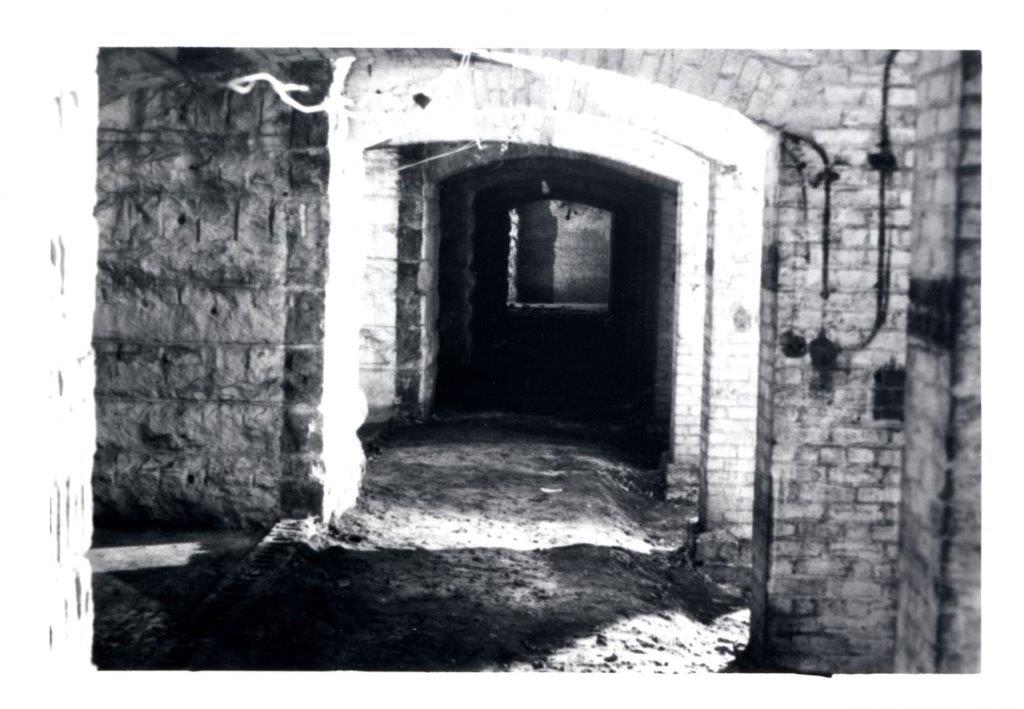
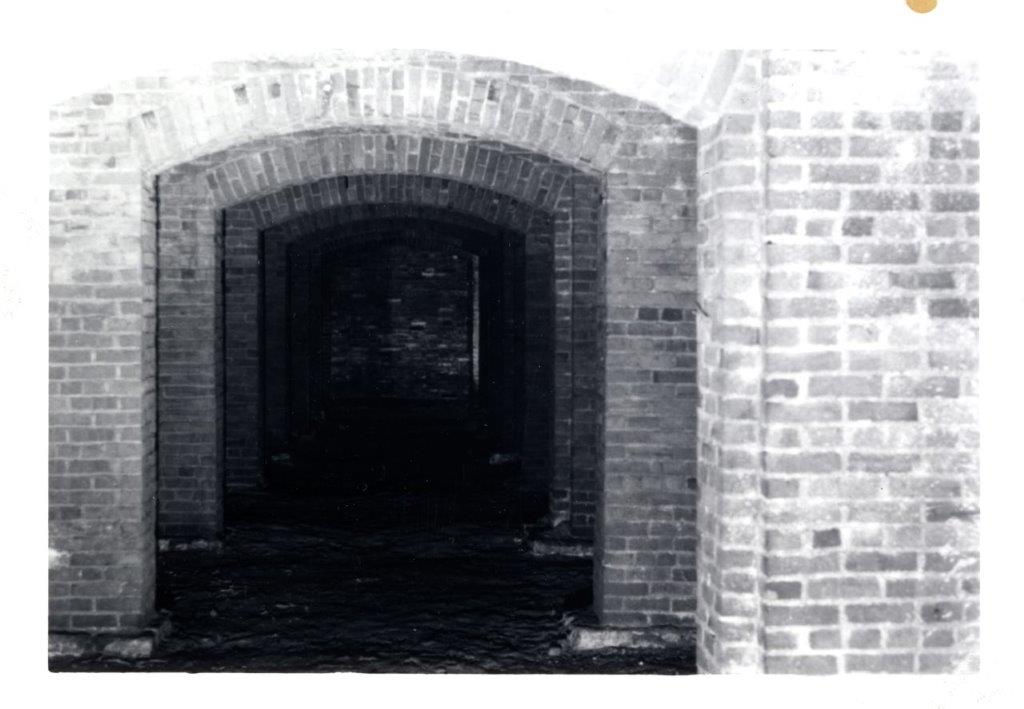
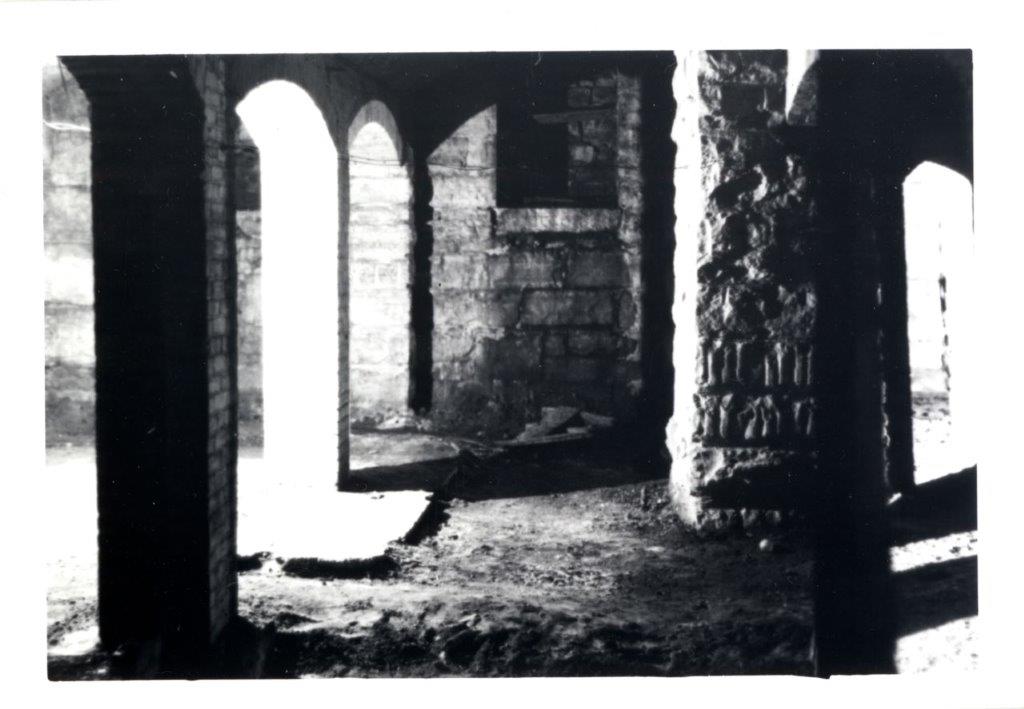
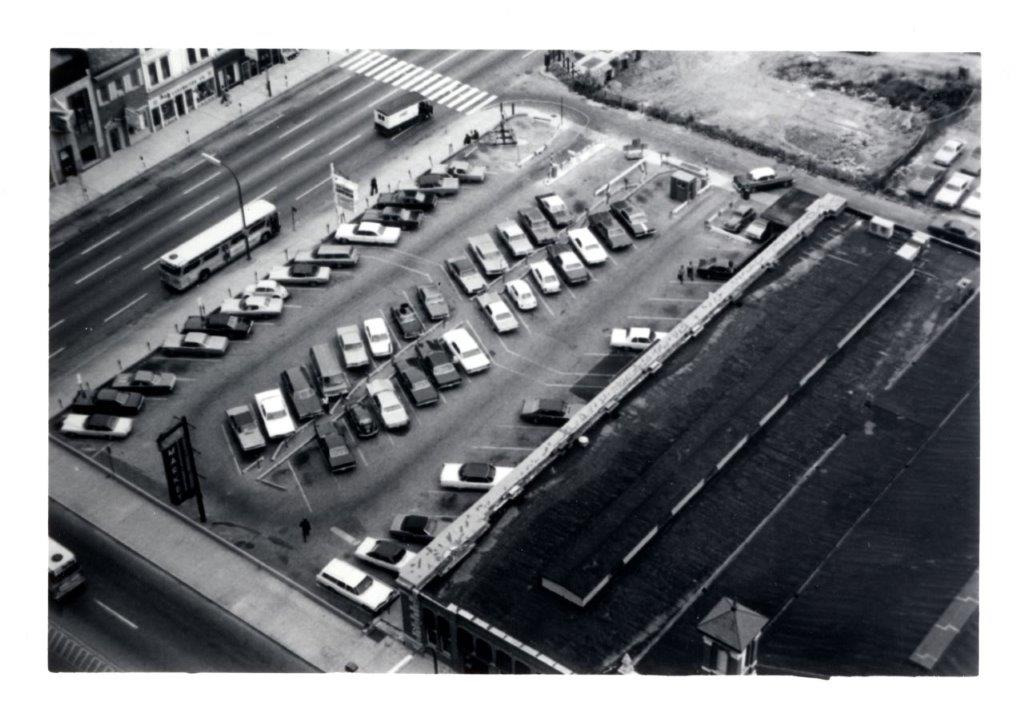
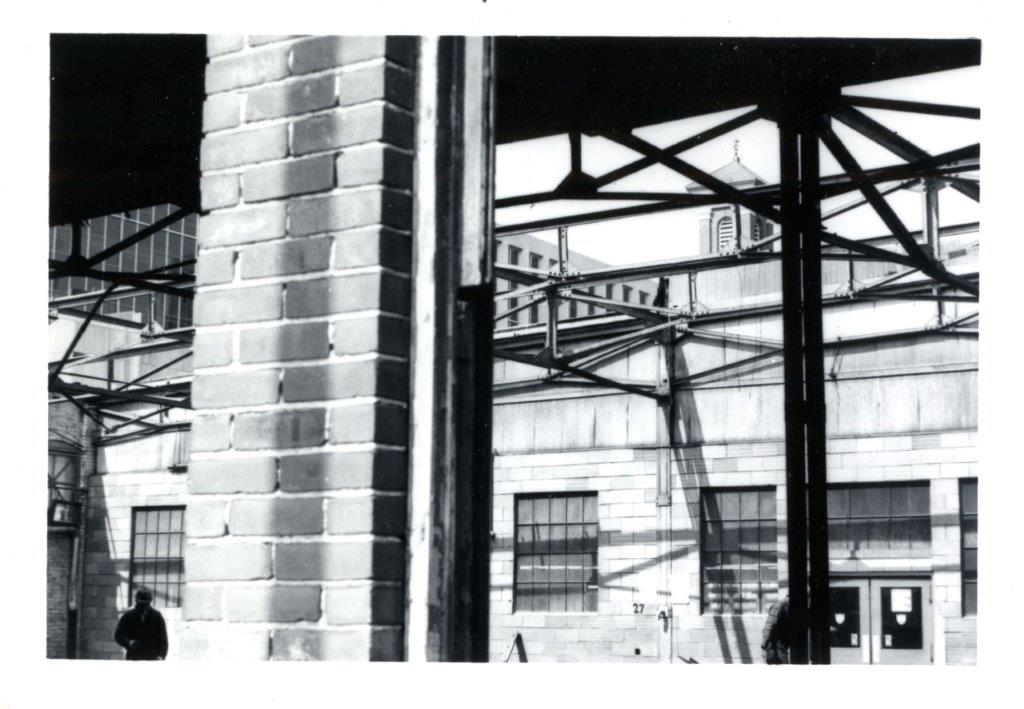
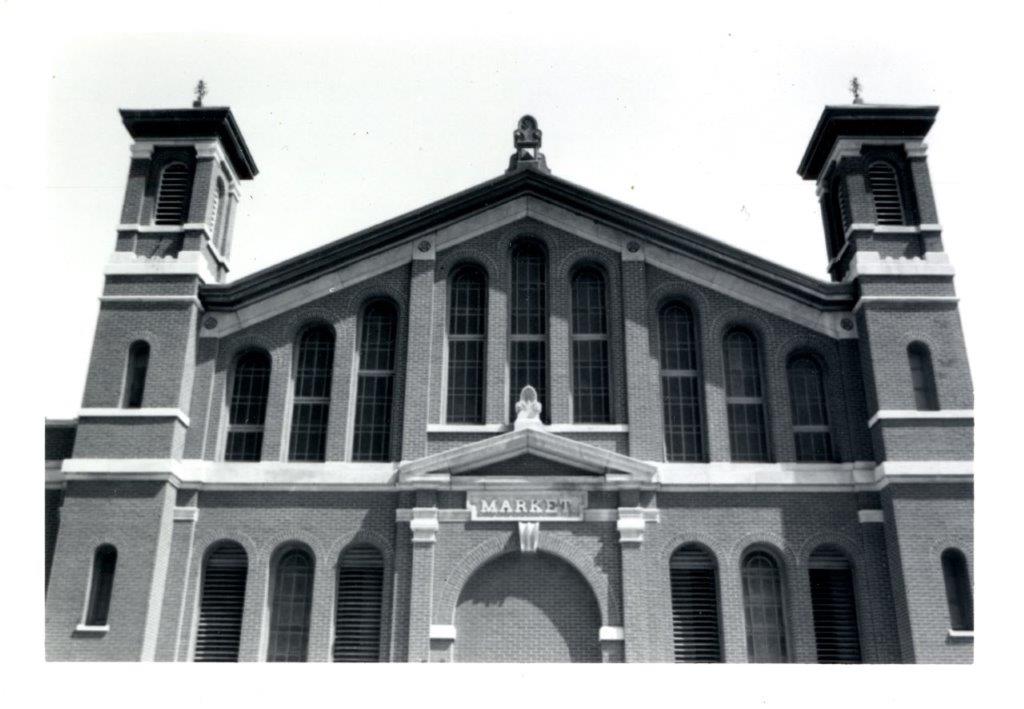
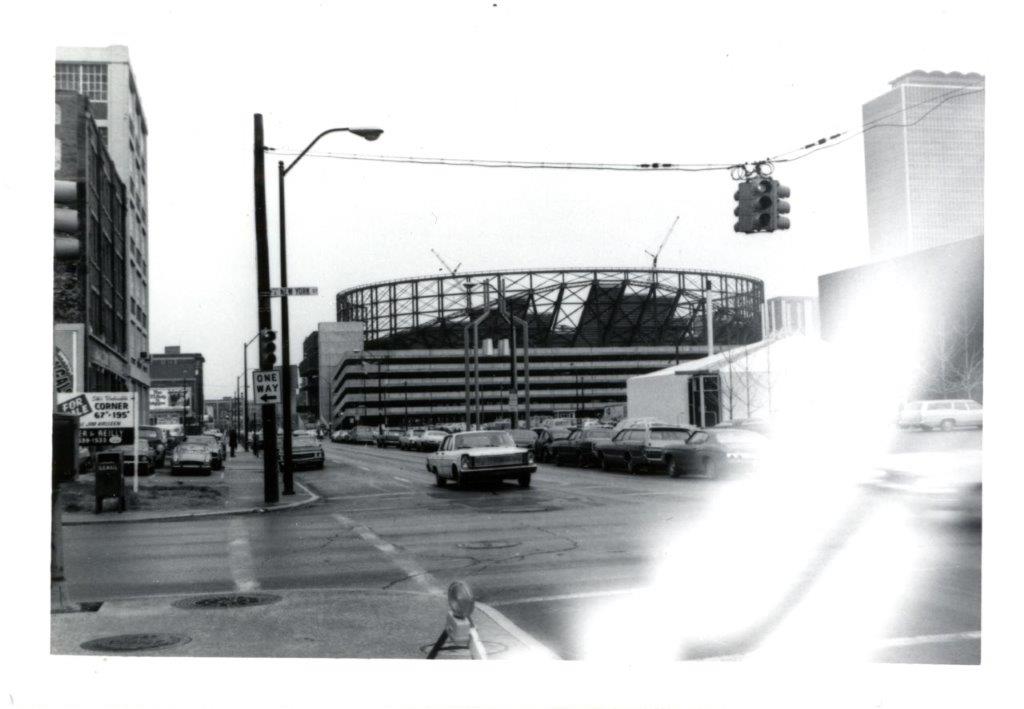
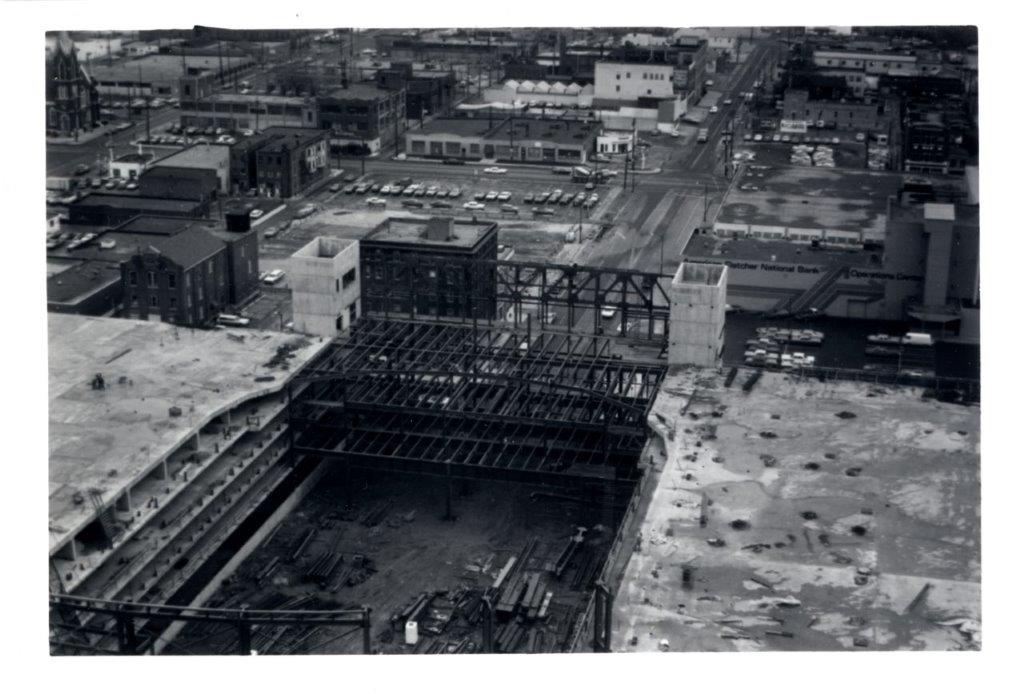
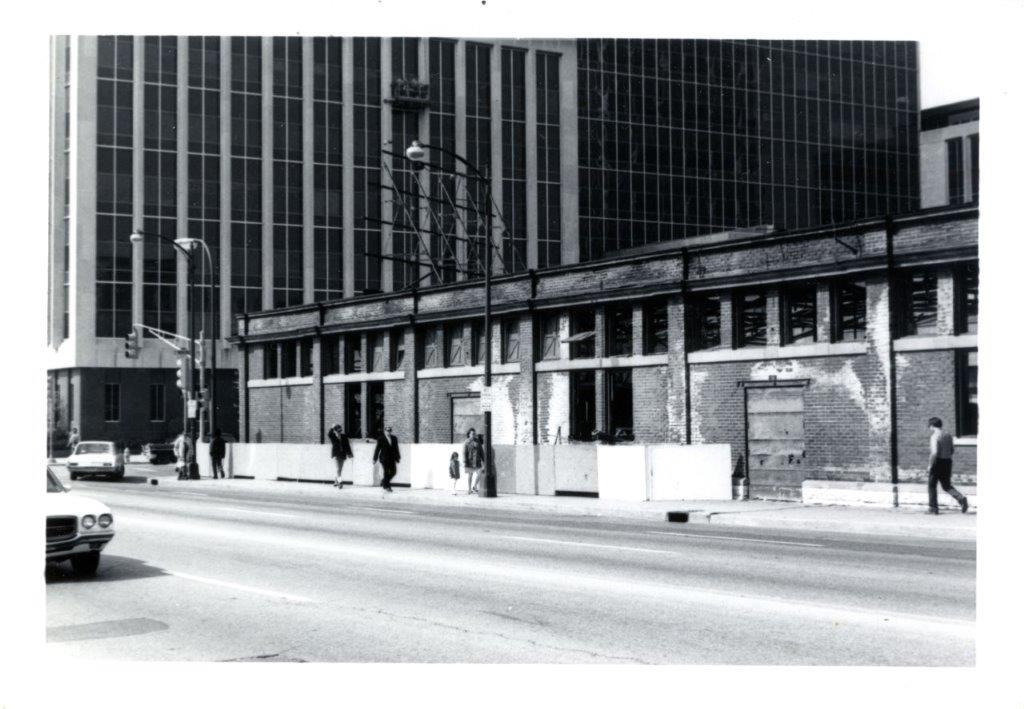
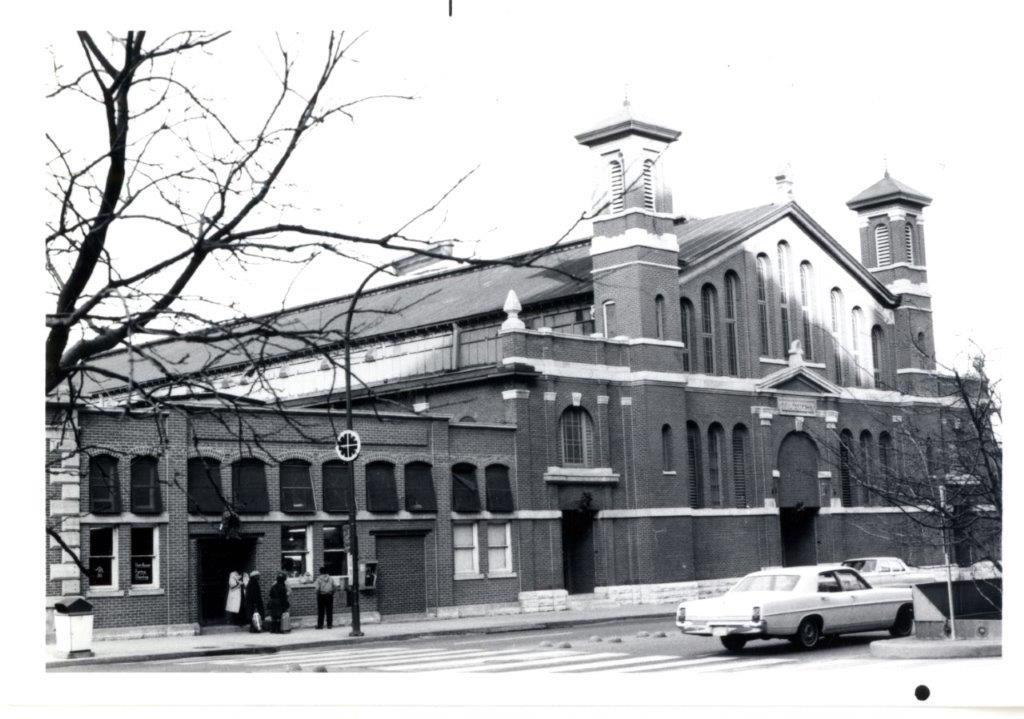
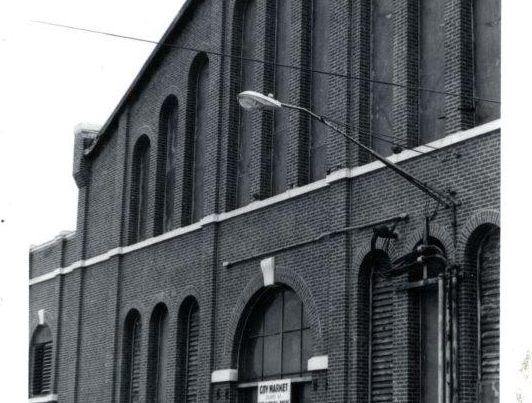
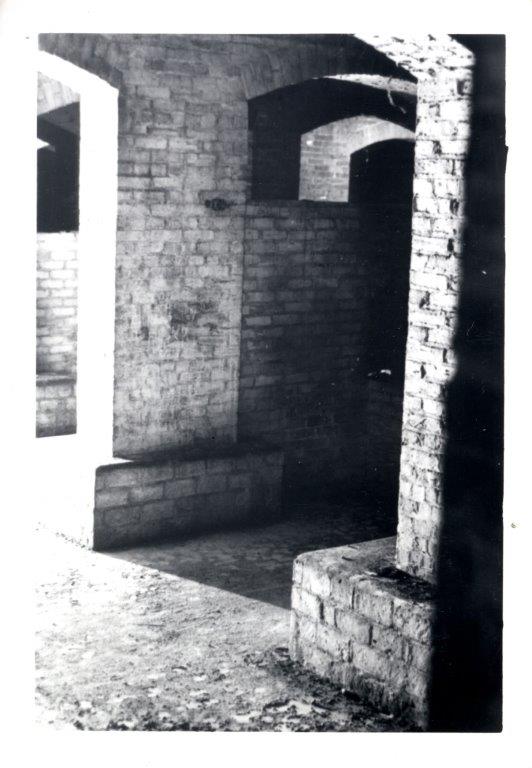
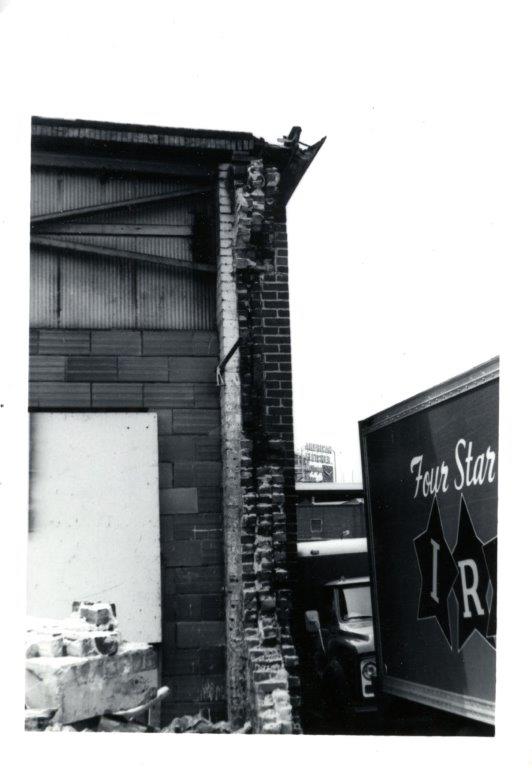
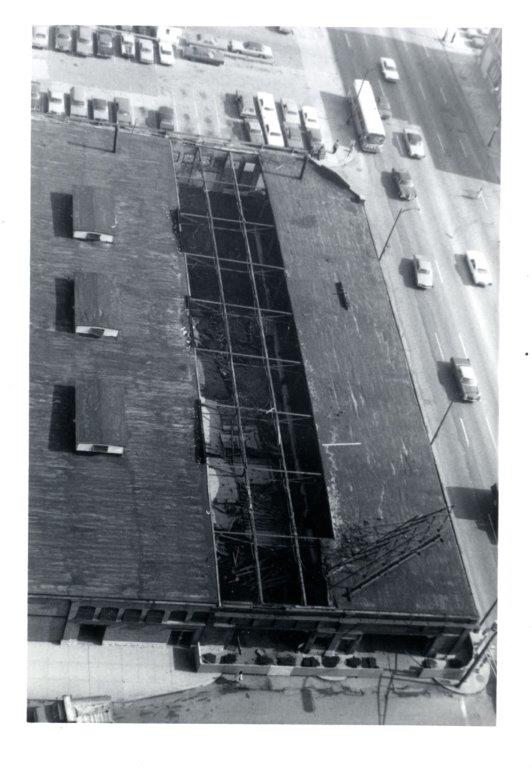
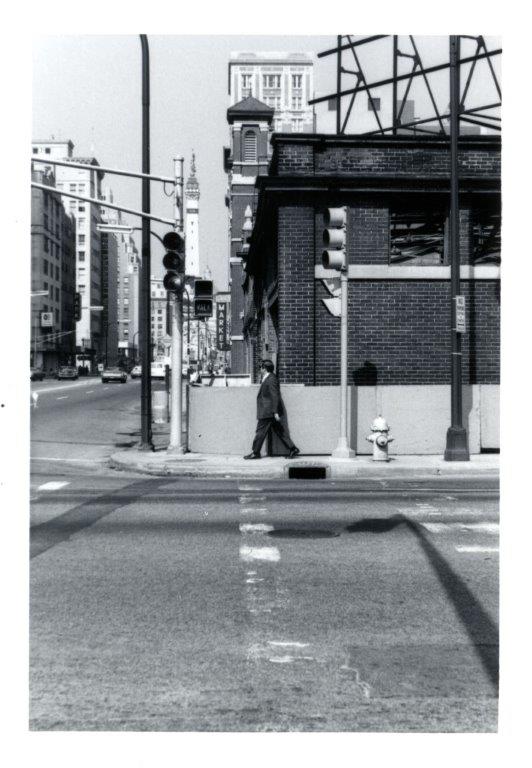
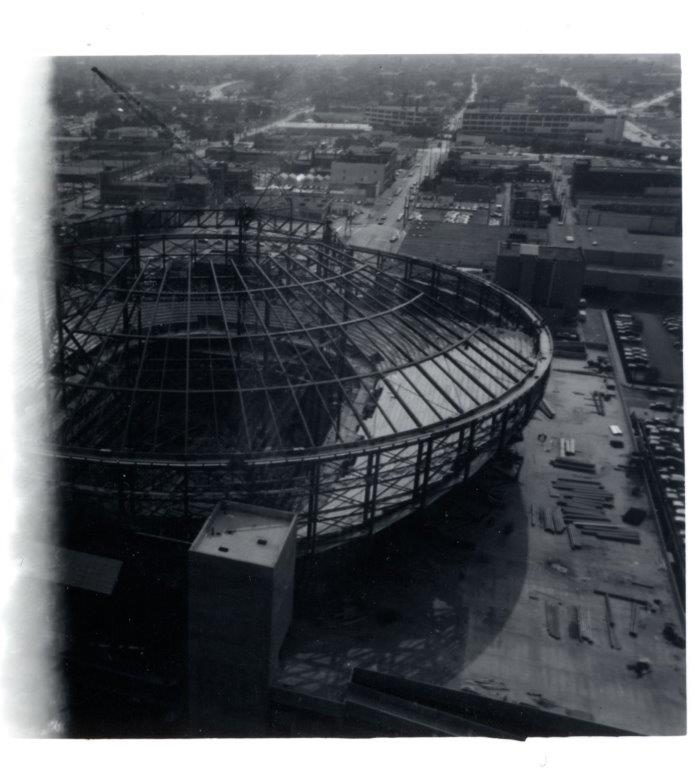
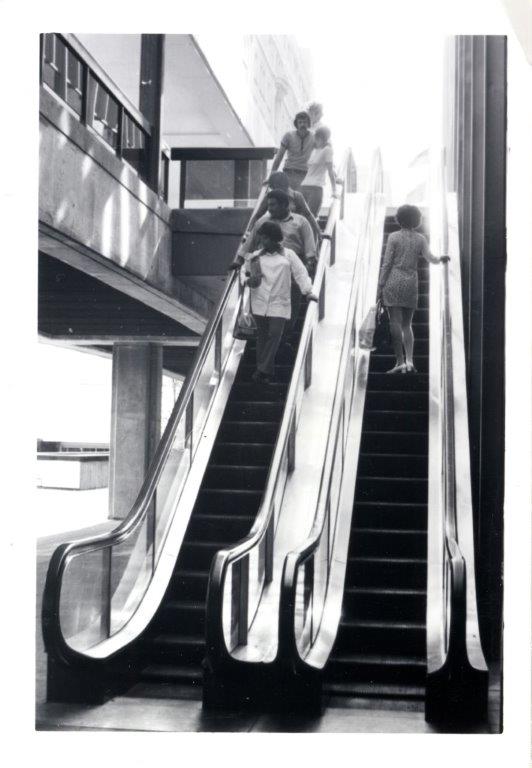
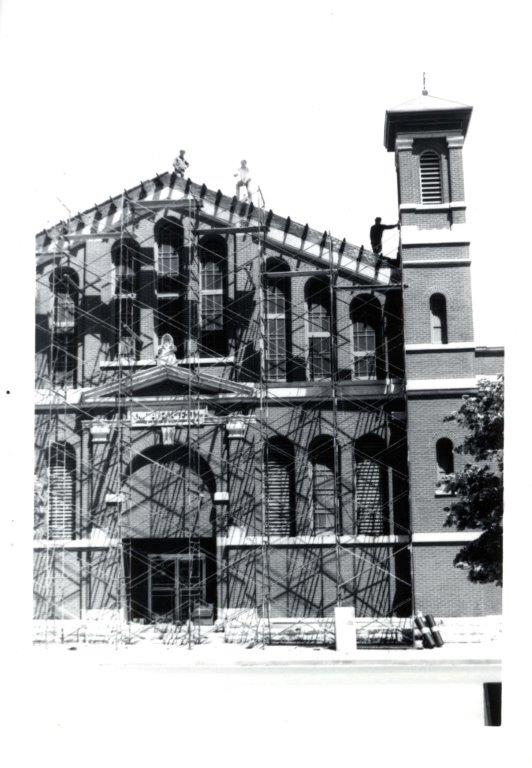
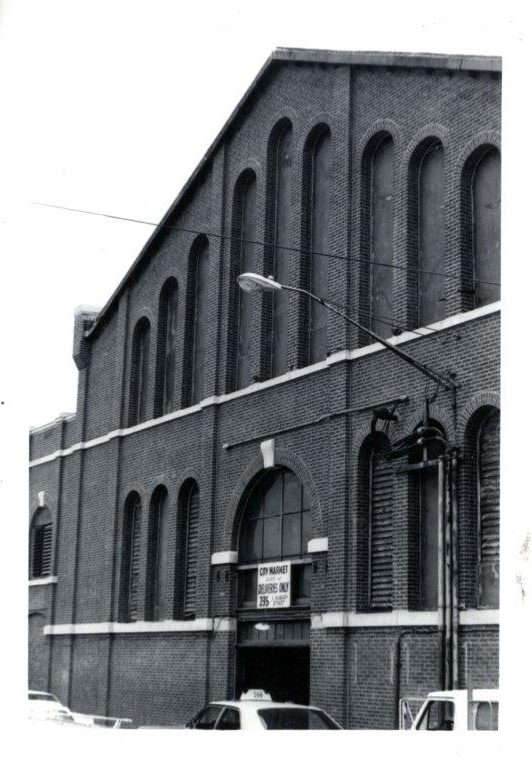
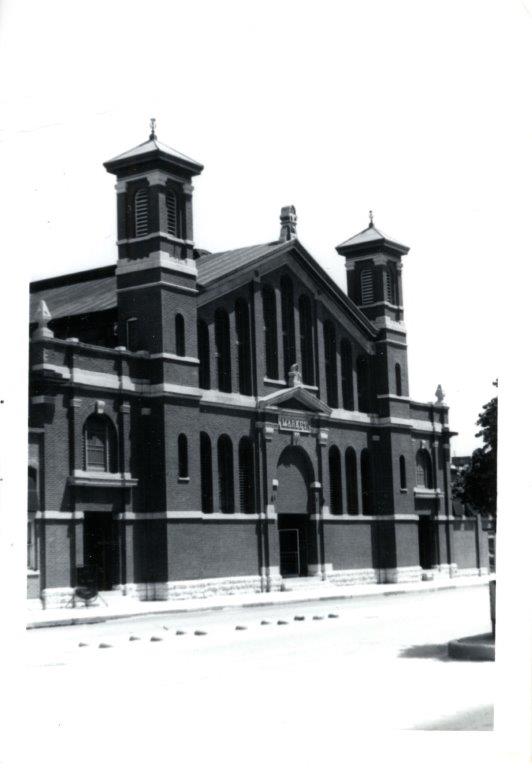
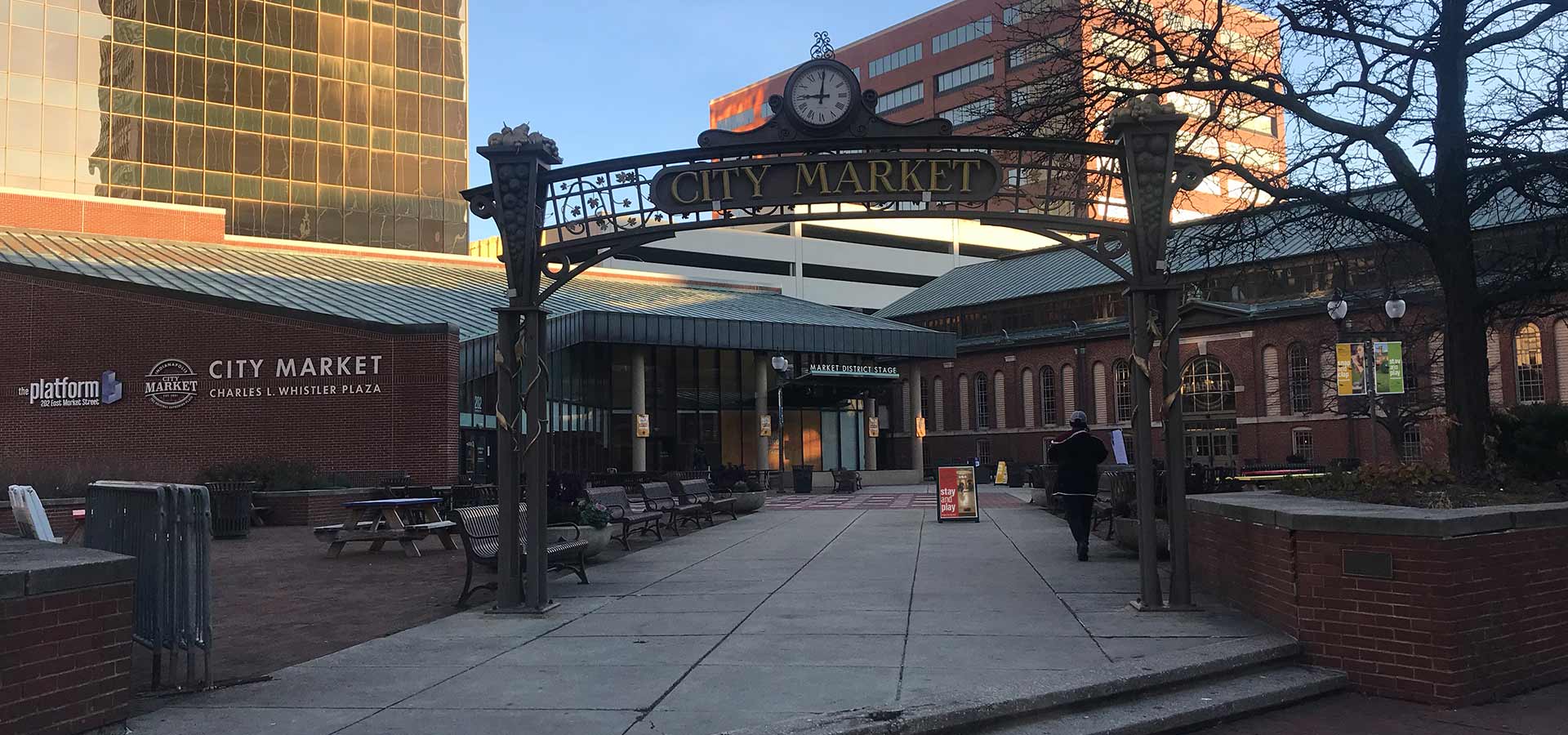
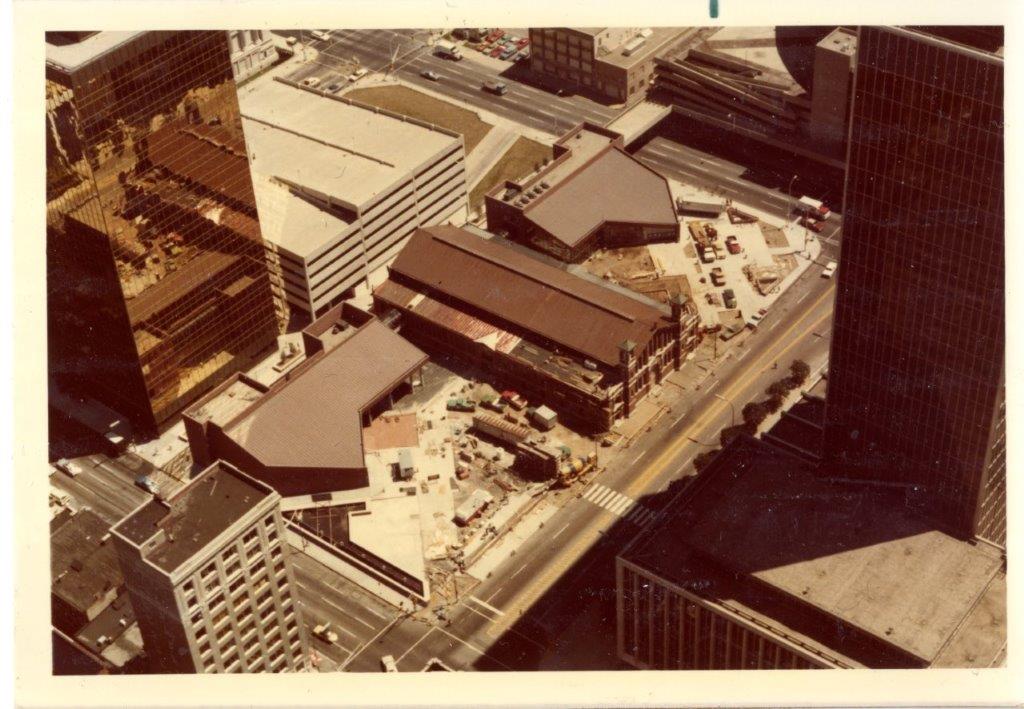
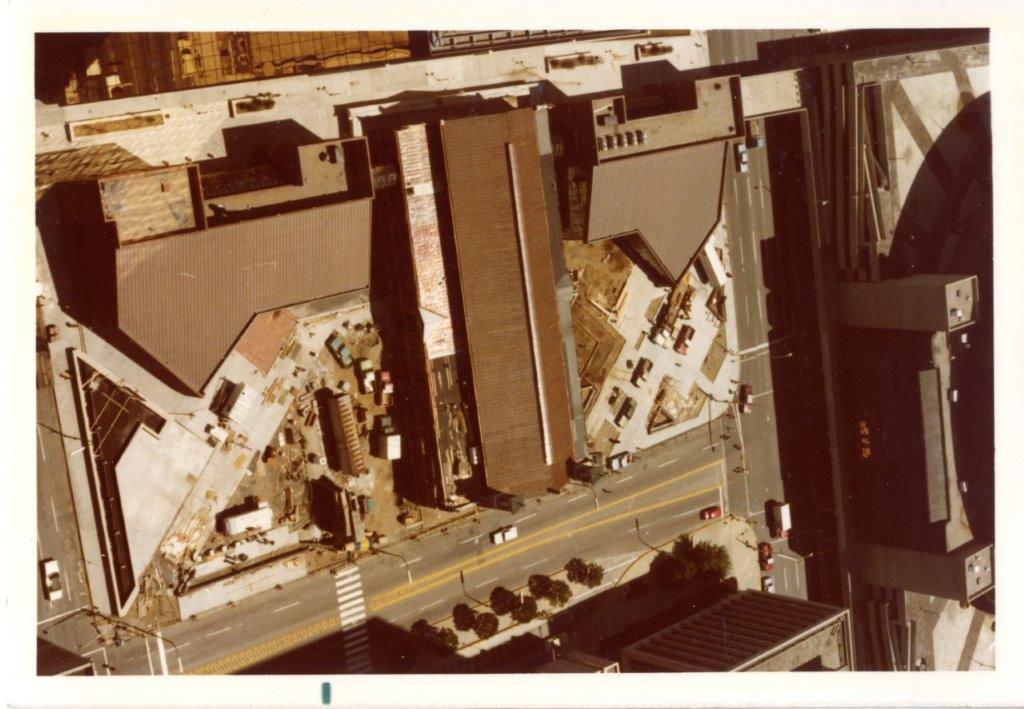
Photos of the Indianapolis City Market and CatacombsCity of Indianapolis, Department of Metropolitan Development UPDATE: On Wednesday, January 8, 2025, the Indianapolis Department of Metropolitan Development unveiled its plans for the redevelopment of the western portion of the City Market Block. To learn more about the future of the City Market,click here. Established in 1821, Indianapolis’ City Market has been a vital downtown hub, connecting farmers to urban communities and offering business opportunities. The market flourished as a vibrant social and economic center within Tomlinson Hall since 1885, serving as a pivotal source for produce and food essentials. However, challenges like urbanization and competition from private vendors arose. In 1958, a fire gutted Tomlinson Hall, leaving only an archway in the west plaza and its basement intact. In the aftermath of the fire, the City Market—already facing an uncertain future— found itself in an even more precarious position as Indianapolis city leaders and officials, along with ordinary citizens, began a suddenly more urgent conversation about what to do with this tenacious institution. The fire symbolized a decline in customers and stands, sparking urgent discussions about its fate. In 1962, plans to extend the new City-County Building’s vision across downtown led to proposals to demolish the remains of Tomlinson Hall, prompting public outcry. In 1964, over 800 residents gathered for a town hall meeting, expressing strong support for preserving the City Market. Legal battles ensued, with supporters advocating through letters, meetings, and patronage. Eventually, agreements were reached to prevent closure. Mayor Richard Lugar’s election and Frank Murray’s appointment as Market Manager revitalized the space. Murray oversaw exterior cleaning, improved lighting, and standardized operations. He enforced employee attendance, rent standards, and cleanliness protocols. The market expanded operating hours, introduced music, and underwent a rebranding effort in 1969 as the “Internationale City Market,” reflecting its diverse stand offerings. In 1972, Eli Lilly granted nearly $5 million to expand the City Market, recognizing its historical value and strategic location. The project aimed to modernize while preserving heritage, replacing old sheds with modern wings and adding a mezzanine for more stands. Mayor Lugar and his successor Mayor Hudnut shifted preservation focus from transforming historical buildings into public heritage showcases by instead revitalizing the original market. As customer preferences changed, the market adapted, catering more to prepared foods and a lunchtime crowd. In 1985, ownership transferred from the Department of Metropolitan Development (DMD), which struggled with the day-to-day management of the market to a private firm, Cornerstone Incorporated. Included in Cornerstone’s new proposal for the market was the construction of Market Tower, a ten-story office building on the west wing of the market property, for additional revenue. However, the proposal faced opposition from preservationists and community groups under the Coalition to Save Vital Spaces. In 1989, amid debates over the Market Tower, neglect of City Market management prompted the creation of a non-profit corporation to lease and manage the building. The Indianapolis City Market Corporation took charge, focusing on efficient management and maintenance. By 1994, facing declining foot traffic, they sought to attract new customer demographics and continue its commitment to actively recruit small businesses and avoid national chains. The opening of Circle Center Mall in 1995 and the demolition of Market Square Arena in 2001 intensified competition for the Downtown lunch crowd. Further renovations in 2008, encompassing new flooring, plumbing, electrical upgrades, and restroom renovations, aimed to rejuvenate the space. In 2009, a study proposed a three-year closure for extensive repairs, but Ma
Our Story
Photos of the Indianapolis City Market and CatacombsCity of Indianapolis, Department of Metropolitan Development UPDATE: On Wednesday, January 8, 2025, the Indianapolis Department of Metropolitan Development unveiled its plans for the redevelopment of the western portion of the City Market Block. To learn more about the future of the City Market,click here. Established in 1821, Indianapolis’ City Market has been a vital downtown hub, connecting farmers to urban communities and offering business opportunities. The market flourished as a vibrant social and economic center within Tomlinson Hall since 1885, serving as a pivotal source for produce and food essentials. However, challenges like urbanization and competition from private vendors arose. In 1958, a fire gutted Tomlinson Hall, leaving only an archway in the west plaza and its basement intact. In the aftermath of the fire, the City Market—already facing an uncertain future— found itself in an even more precarious position as Indianapolis city leaders and officials, along with ordinary citizens, began a suddenly more urgent conversation about what to do with this tenacious institution. The fire symbolized a decline in customers and stands, sparking urgent discussions about its fate. In 1962, plans to extend the new City-County Building’s vision across downtown led to proposals to demolish the remains of Tomlinson Hall, prompting public outcry. In 1964, over 800 residents gathered for a town hall meeting, expressing strong support for preserving the City Market. Legal battles ensued, with supporters advocating through letters, meetings, and patronage. Eventually, agreements were reached to prevent closure. Mayor Richard Lugar’s election and Frank Murray’s appointment as Market Manager revitalized the space. Murray oversaw exterior cleaning, improved lighting, and standardized operations. He enforced employee attendance, rent standards, and cleanliness protocols. The market expanded operating hours, introduced music, and underwent a rebranding effort in 1969 as the “Internationale City Market,” reflecting its diverse stand offerings. In 1972, Eli Lilly granted nearly $5 million to expand the City Market, recognizing its historical value and strategic location. The project aimed to modernize while preserving heritage, replacing old sheds with modern wings and adding a mezzanine for more stands. Mayor Lugar and his successor Mayor Hudnut shifted preservation focus from transforming historical buildings into public heritage showcases by instead revitalizing the original market. As customer preferences changed, the market adapted, catering more to prepared foods and a lunchtime crowd. In 1985, ownership transferred from the Department of Metropolitan Development (DMD), which struggled with the day-to-day management of the market to a private firm, Cornerstone Incorporated. Included in Cornerstone’s new proposal for the market was the construction of Market Tower, a ten-story office building on the west wing of the market property, for additional revenue. However, the proposal faced opposition from preservationists and community groups under the Coalition to Save Vital Spaces. In 1989, amid debates over the Market Tower, neglect of City Market management prompted the creation of a non-profit corporation to lease and manage the building. The Indianapolis City Market Corporation took charge, focusing on efficient management and maintenance. By 1994, facing declining foot traffic, they sought to attract new customer demographics and continue its commitment to actively recruit small businesses and avoid national chains. The opening of Circle Center Mall in 1995 and the demolition of Market Square Arena in 2001 intensified competition for the Downtown lunch crowd. Further renovations in 2008, encompassing new flooring, plumbing, electrical upgrades, and restroom renovations, aimed to rejuvenate the space. In 2009, a study proposed a three-year closure for extensive repairs, but Ma
Meet thrilled to
Farmers Market Owner · Since 1821
What Sets This Farm Apart
UnverifiedEvery practice listed here means something specific. Tap any practice to learn what it requires and why it matters.
Beef
Dairy
Pork
Poultry & Eggs
Not verified by Bhumi. This farm's practices have not been independently verified. Product claims (grass-fed, pasture-raised, organic, etc.) are based on publicly available information and have not been confirmed.