

Price Family Farms, LLC
Self-ReportedDiversified Family Farm
Grassfed & Grain Fed Beef | Chemical & Hormone Free | Pasture Raised | Troy, MO
Our Animals
Cattle
Cattle: Angus, angus
How We Process
How to Buy
Online & Ordering
Online Ordering
Bulk & Shares
quarter beef, whole beef
Photos
About Price Family Farms, LLC
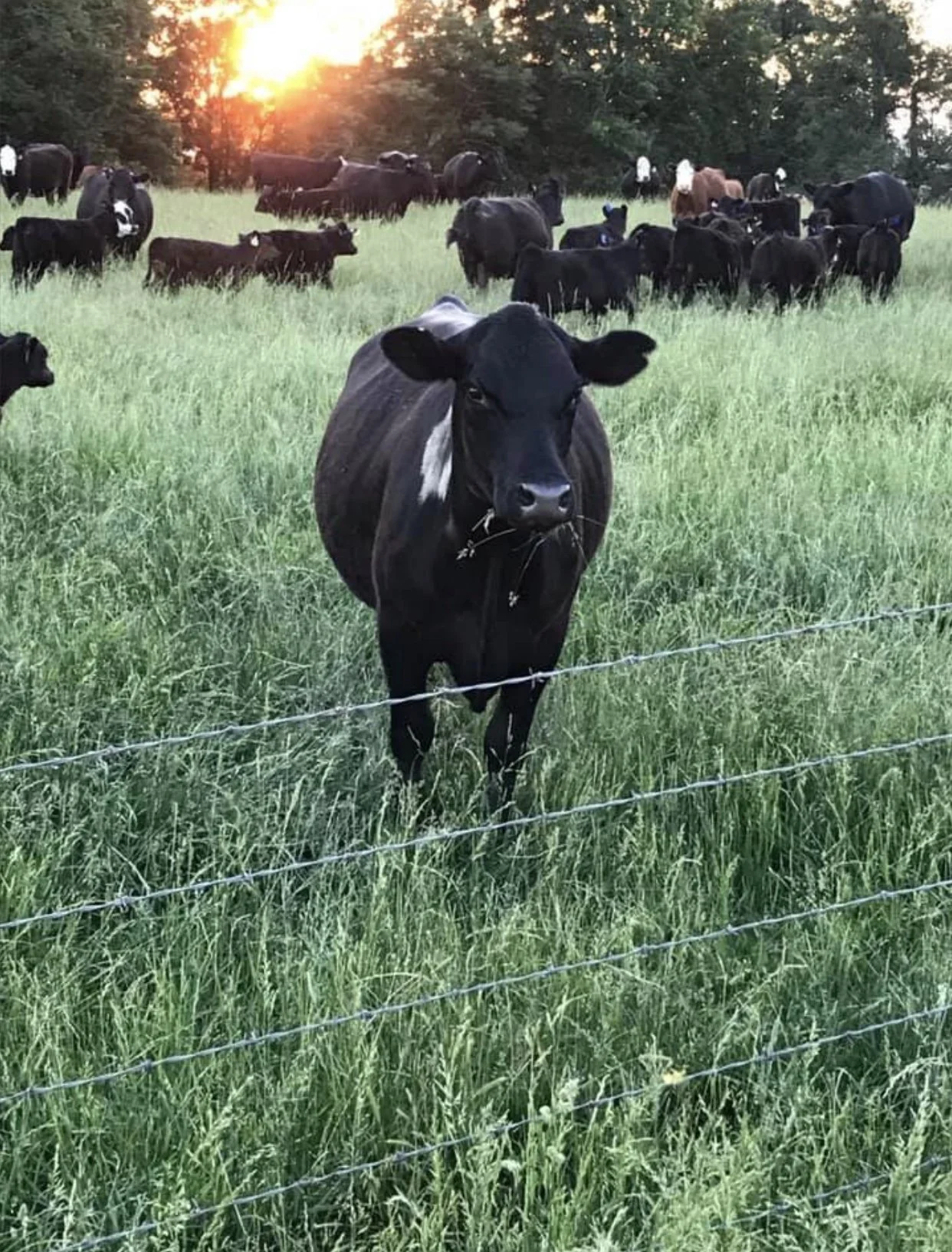
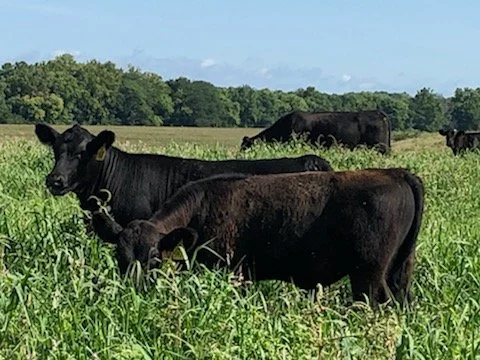
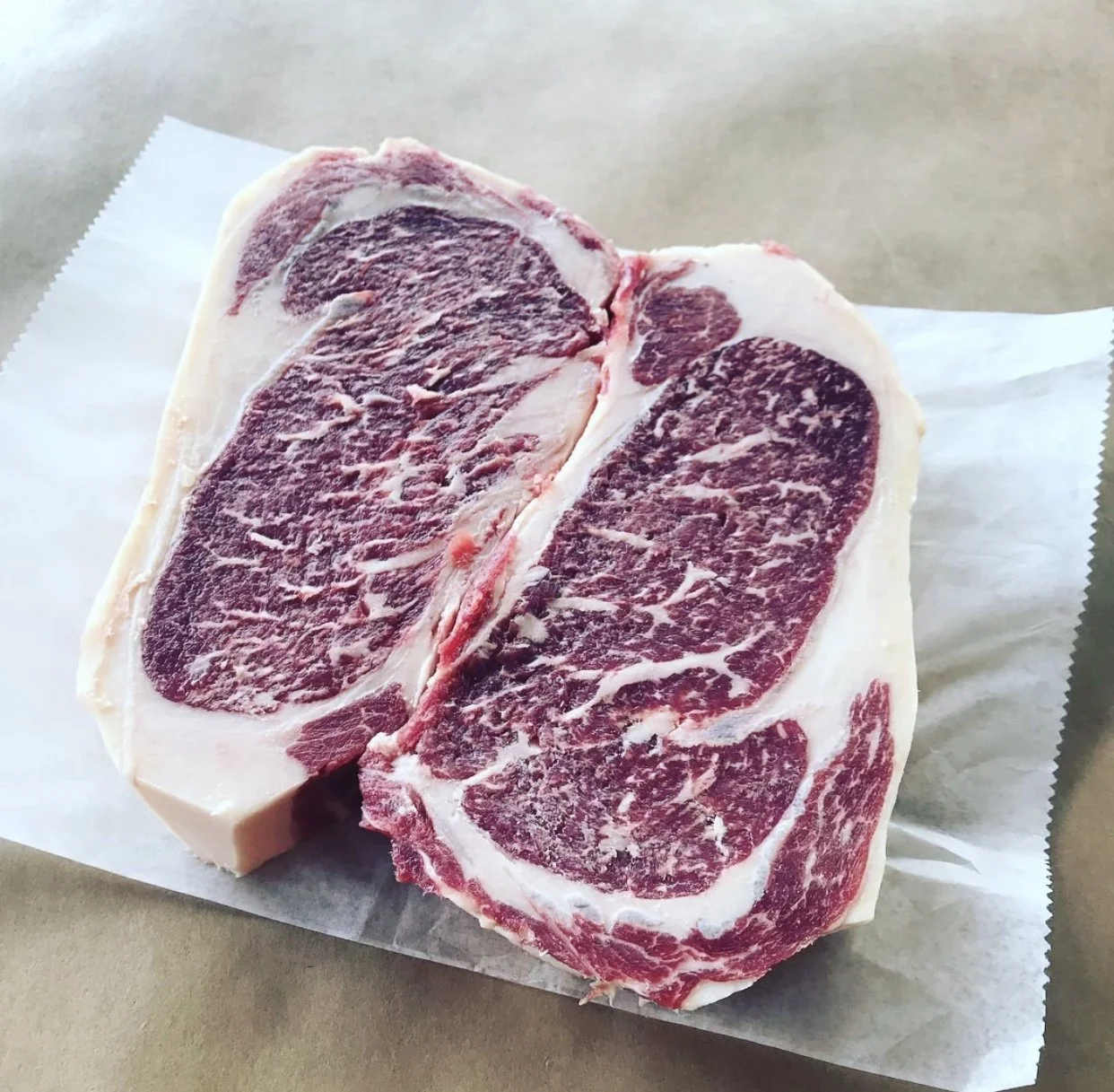
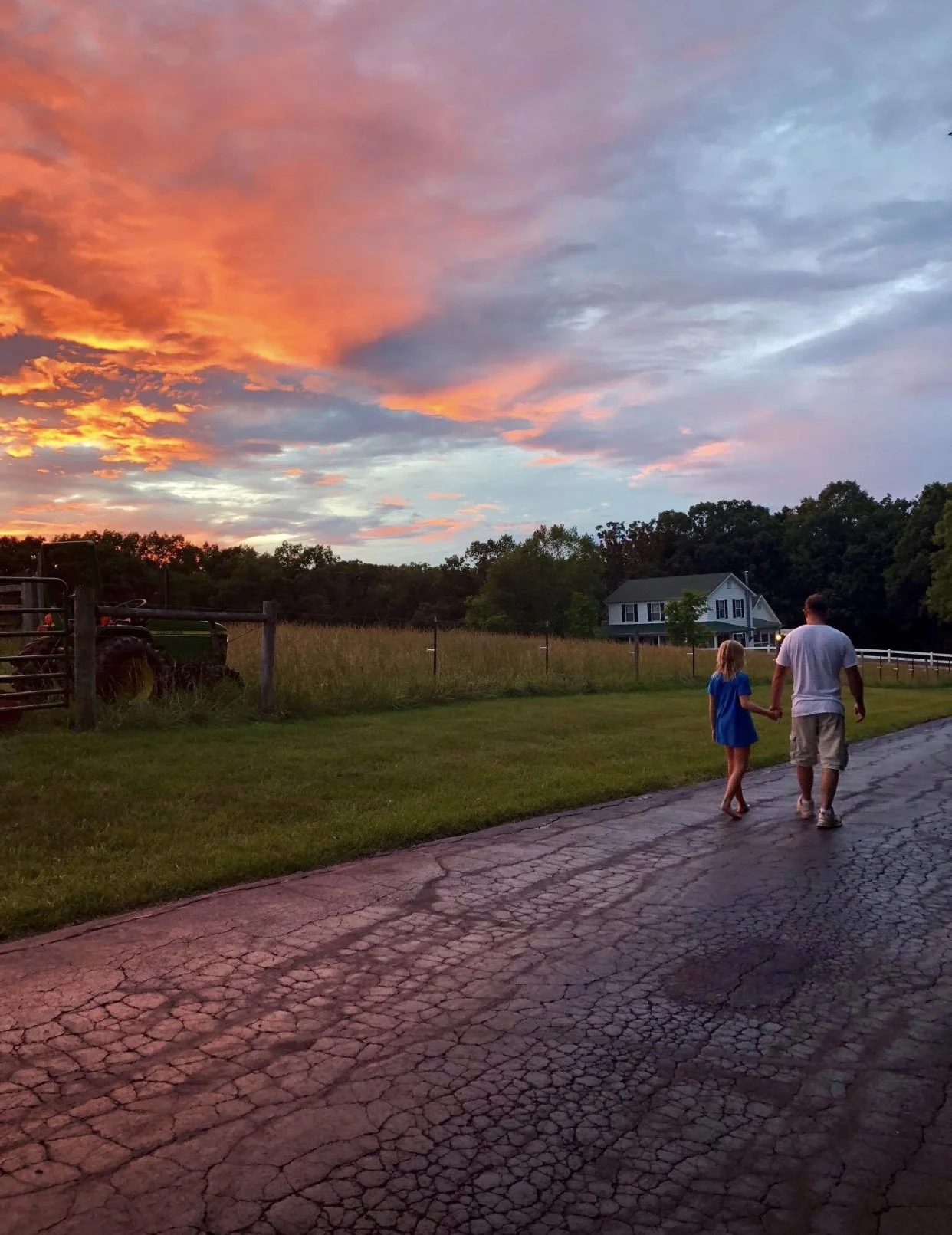
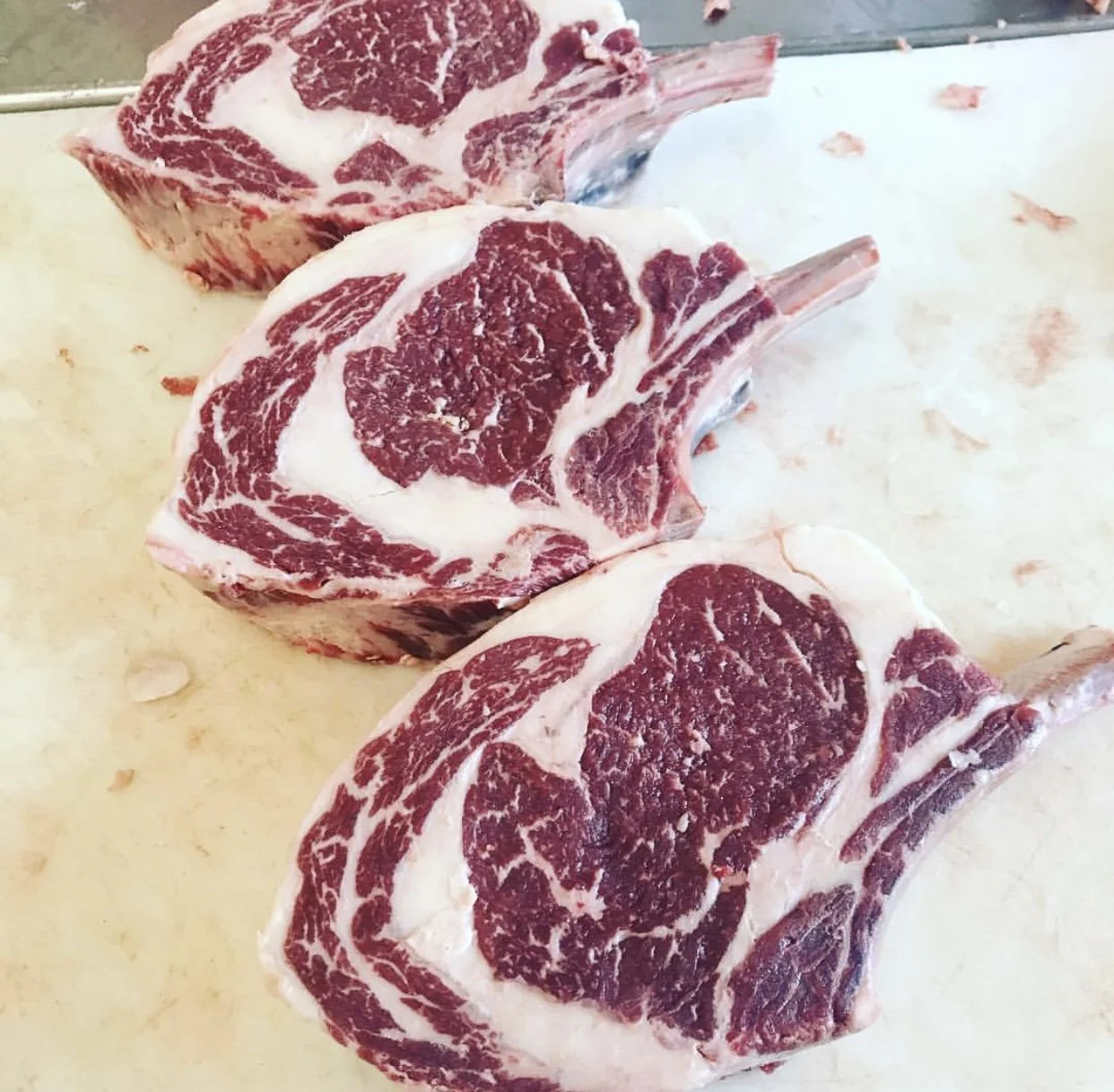
Price Family Farms LLC was established in 2000 when we (David and Lana Price) purchased and developed our first beef cattle farm in southwestern Lincoln County, Missouri. Our vision from the beginning was to produce beef in a humane, non-industrial, and environmentally friendly way. In order to do this, the initial farm’s pastures were enhanced with a variety of regionally suitable forages. Thereafter, we subdivided those pastures into even smaller pastures or paddocks, so that the cattle, soil, and forages could be sustainably managed. Price Family Farm cattle spend their entire lives on forage-abundant, nutritionally-rich pastures. During the final 4 months of their production life we offer free-choice grains to the animals. (The feed ration that we offer contains no medication or steroids.) During this final period of development the cattle continue to range freely on grasses, legumes, and forbs. The beeves are never confined to a feedlot or exclusively limited to a high-concentrated feed ration. We offer grains during the final phase of production for the sole purpose of developing a well-marbled beef – one that is tender, succulent, and flavorful. Contrary to popular belief, perennial cool-season grasses alone cannot produce a “choice” or “prime” grade beef. Based on our education, principles, and experience, we believe that bovines were created to live out a pastoral life. That is why if you stopped by one of our four production farms, you would likely observe our cattle either grazing a hillside or resting beneath a row of shade trees. You would be challenged to find anything that remotely mirrored the likes of an industrial farm. Our cattle are rotationally grazed. We’ve established and maintain this type of production system (on all of our farms) for a myriad of reasons. First and foremost, it creates the most agriculturally possible “natural way-of-life” for our cattle. Well-managed rotational grazing systems mimic the grazing patterns of the large herbivore (i.e., buffalo, bison) that once freely roamed the expansive American west. Secondly, this type of production system gives the forages an opportunity to be rested and restored between grazings. It mitigates the potential for overgrazing, and therefore sustains forage vitality and variety. Thirdly, a properly managed rotational grazing system creates a thick swath of forages with deep roots. The roots keep the soil in place, thus minimizing the potential for erosion. The canopy disperses water evenly and keeps the soil underneath cool and hospitable for organic life. Thick swaths of forage also keep unwanted weeds from being able to take root and compete for sunlight. As a result, we are able to avoid the need for herbicidal application to any of our pastures. Finally, our system of grazing management prevents us from having to use synthetic fertilizers for the purpose of promoting forage growth. Properly managed cattle will disperse their manure evenly throughout the farm, thus naturally fertilizing the fields. Likewise, our healthy and vibrant stand of legumes do the job of fixing the available airborne nitrogen and transporting it to the soil where it becomes abundantly available to the nutrient-dependent grasses. Our sustainable, ecologically-friendly system of management permits the animals a clean, non-parasitic environment in which they can graze and lie down to ruminate. As previously mentioned, it also provides a very natural grazing pattern for the livestock and thus a very natural, stress-free lifestyle. In addition to the benefits redeemed from our system of pasture management, we also go to great lengths to limit other anxieties that cattle might otherwise be subject to. We do not scream at, kick, or prod the animals. We spend time with them; hand-feeding them daily and routinely moving them to new pastures. Stress-free, from a bovine’s standpoint, means being free from sickness and disease, because it is when cattle become stressed that thei
Our Story
Price Family Farms LLC was established in 2000 when we (David and Lana Price) purchased and developed our first beef cattle farm in southwestern Lincoln County, Missouri. Our vision from the beginning was to produce beef in a humane, non-industrial, and environmentally friendly way. In order to do this, the initial farm’s pastures were enhanced with a variety of regionally suitable forages. Thereafter, we subdivided those pastures into even smaller pastures or paddocks, so that the cattle, soil, and forages could be sustainably managed. Price Family Farm cattle spend their entire lives on forage-abundant, nutritionally-rich pastures. During the final 4 months of their production life we offer free-choice grains to the animals. (The feed ration that we offer contains no medication or steroids.) During this final period of development the cattle continue to range freely on grasses, legumes, and forbs. The beeves are never confined to a feedlot or exclusively limited to a high-concentrated feed ration. We offer grains during the final phase of production for the sole purpose of developing a well-marbled beef – one that is tender, succulent, and flavorful. Contrary to popular belief, perennial cool-season grasses alone cannot produce a “choice” or “prime” grade beef. Based on our education, principles, and experience, we believe that bovines were created to live out a pastoral life. That is why if you stopped by one of our four production farms, you would likely observe our cattle either grazing a hillside or resting beneath a row of shade trees. You would be challenged to find anything that remotely mirrored the likes of an industrial farm. Our cattle are rotationally grazed. We’ve established and maintain this type of production system (on all of our farms) for a myriad of reasons. First and foremost, it creates the most agriculturally possible “natural way-of-life” for our cattle. Well-managed rotational grazing systems mimic the grazing patterns of the large herbivore (i.e., buffalo, bison) that once freely roamed the expansive American west. Secondly, this type of production system gives the forages an opportunity to be rested and restored between grazings. It mitigates the potential for overgrazing, and therefore sustains forage vitality and variety. Thirdly, a properly managed rotational grazing system creates a thick swath of forages with deep roots. The roots keep the soil in place, thus minimizing the potential for erosion. The canopy disperses water evenly and keeps the soil underneath cool and hospitable for organic life. Thick swaths of forage also keep unwanted weeds from being able to take root and compete for sunlight. As a result, we are able to avoid the need for herbicidal application to any of our pastures. Click here to continue reading Finally, our system of grazing management prevents us from having to use synthetic fertilizers for the purpose of promoting forage growth. Properly managed cattle will disperse their manure evenly throughout the farm, thus naturally fertilizing the fields. Likewise, our healthy and vibrant stand of legumes do the job of fixing the available airborne nitrogen and transporting it to the soil where it becomes abundantly available to the nutrient-dependent grasses. Our sustainable, ecologically-friendly system of management permits the animals a clean, non-parasitic environment in which they can graze and lie down to ruminate. As previously mentioned, it also provides a very natural grazing pattern for the livestock and thus a very natural, stress-free lifestyle. In addition to the benefits redeemed from our system of pasture management, we also go to great lengths to limit other anxieties that cattle might otherwise be subject to. We do not scream at, kick, or prod the animals. We spend time with them; hand-feeding them daily and routinely moving them to new pastures. Stress-free, from a bovine’s standpoint, means being free from sickness and disease, because it is when catt
Meet David and Lana Price
Farm Owner · Since 2000
What Sets This Farm Apart
Self-ReportedEvery practice listed here means something specific. Tap any practice to learn what it requires and why it matters.
Beef
Self-reported practices. This farm has provided information about their practices, but they have not yet been independently verified by Bhumi.
Hours & Operations
Location & Directions
Quick Facts
Practices