





South Chicago Farm, Urban Growers Collective
UnverifiedProduce Farm
Chicago Urban Farm
How to Buy
Bulk & Shares
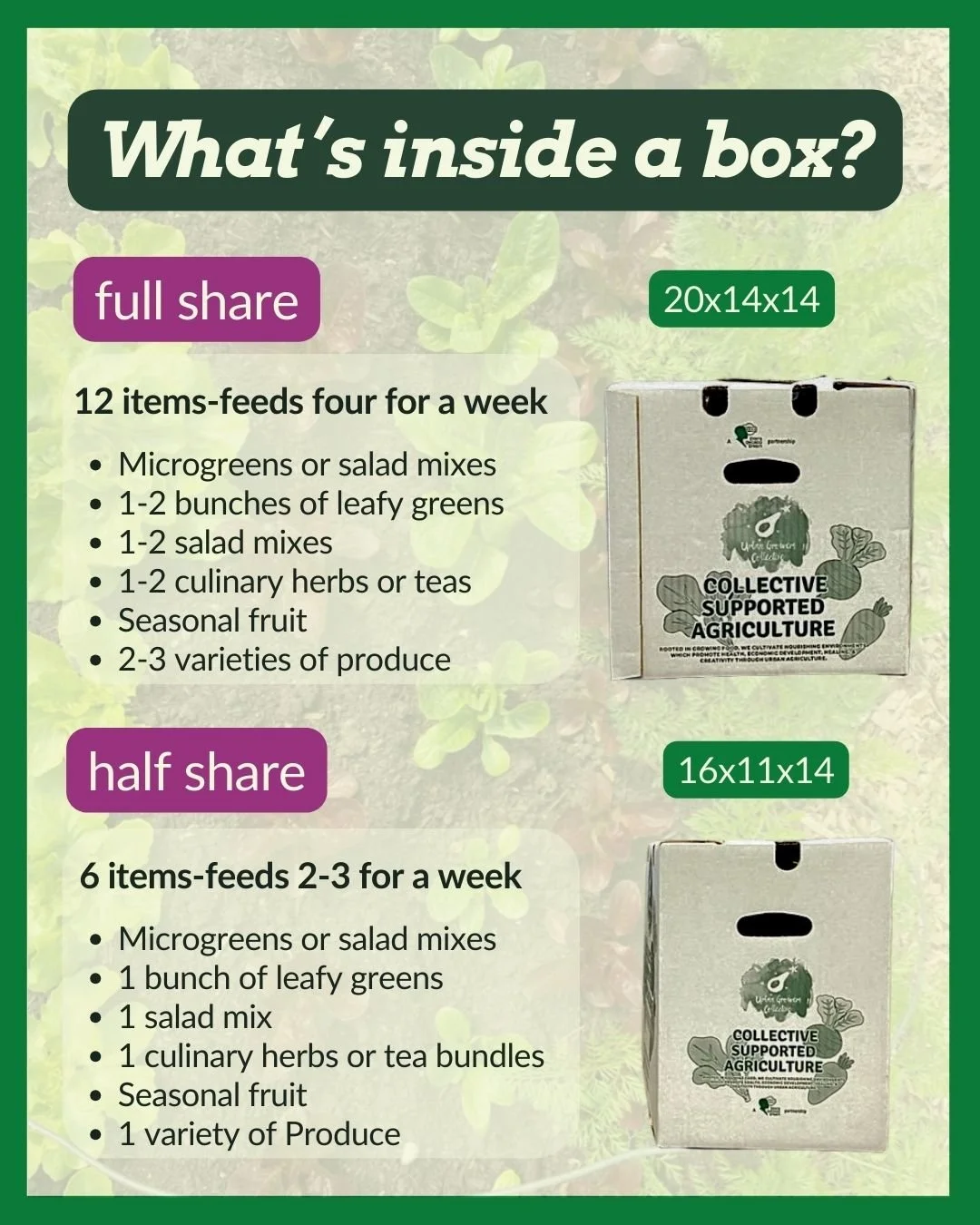
CSA share, subscription box
Markets & Stores
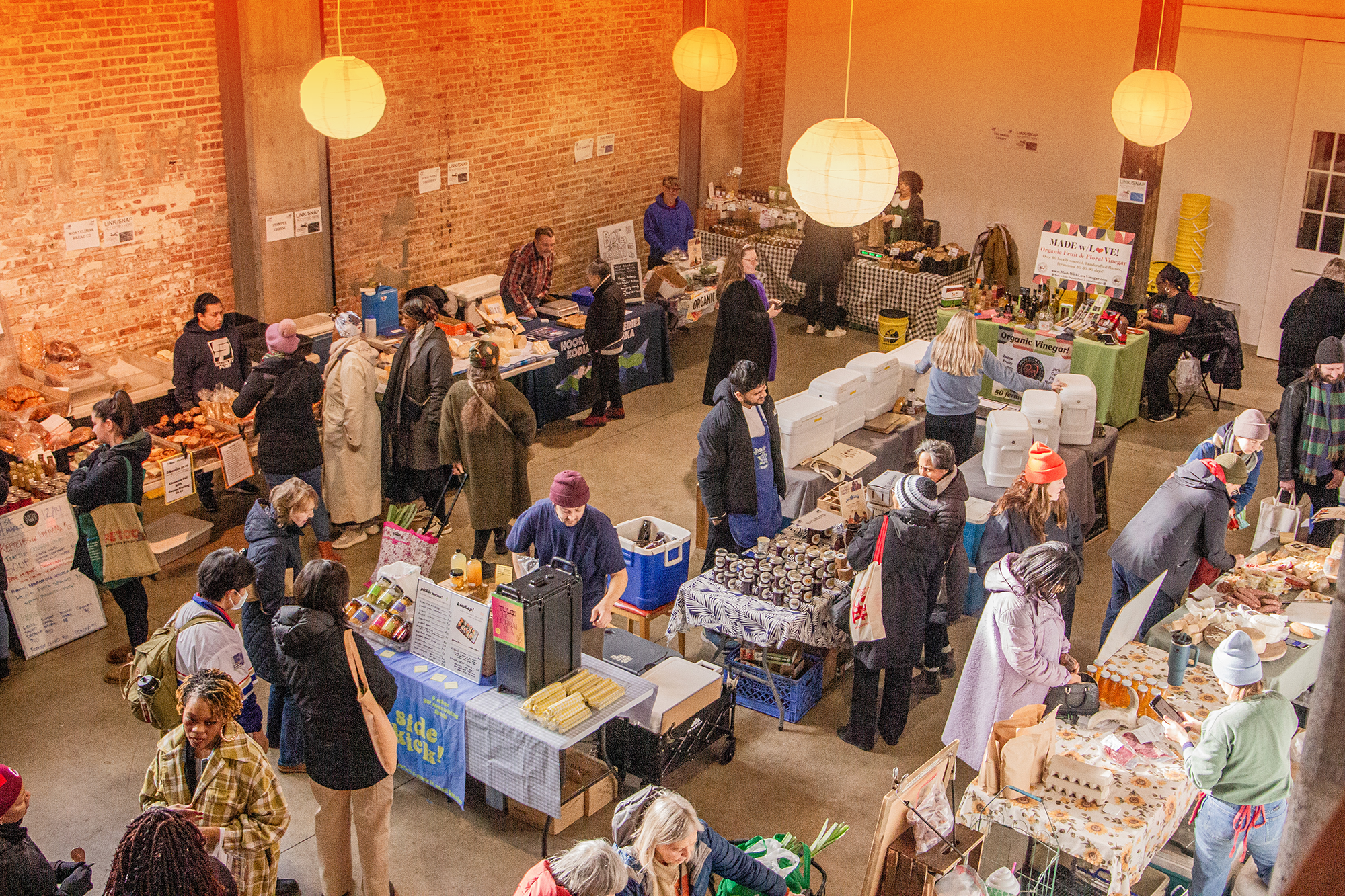
farmers market
Delivery & Shipping
local delivery
Photos
About South Chicago Farm, Urban Growers Collective
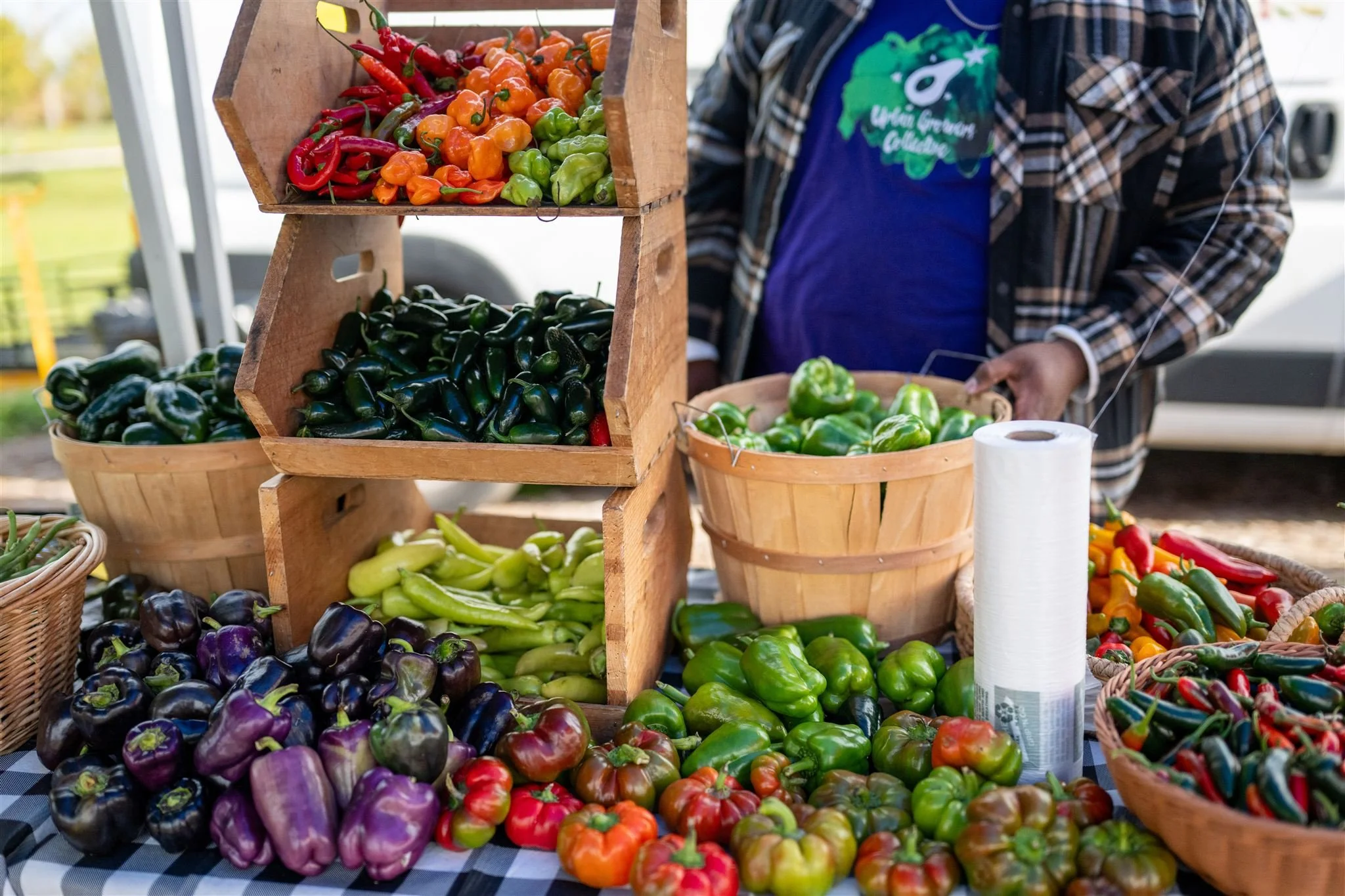
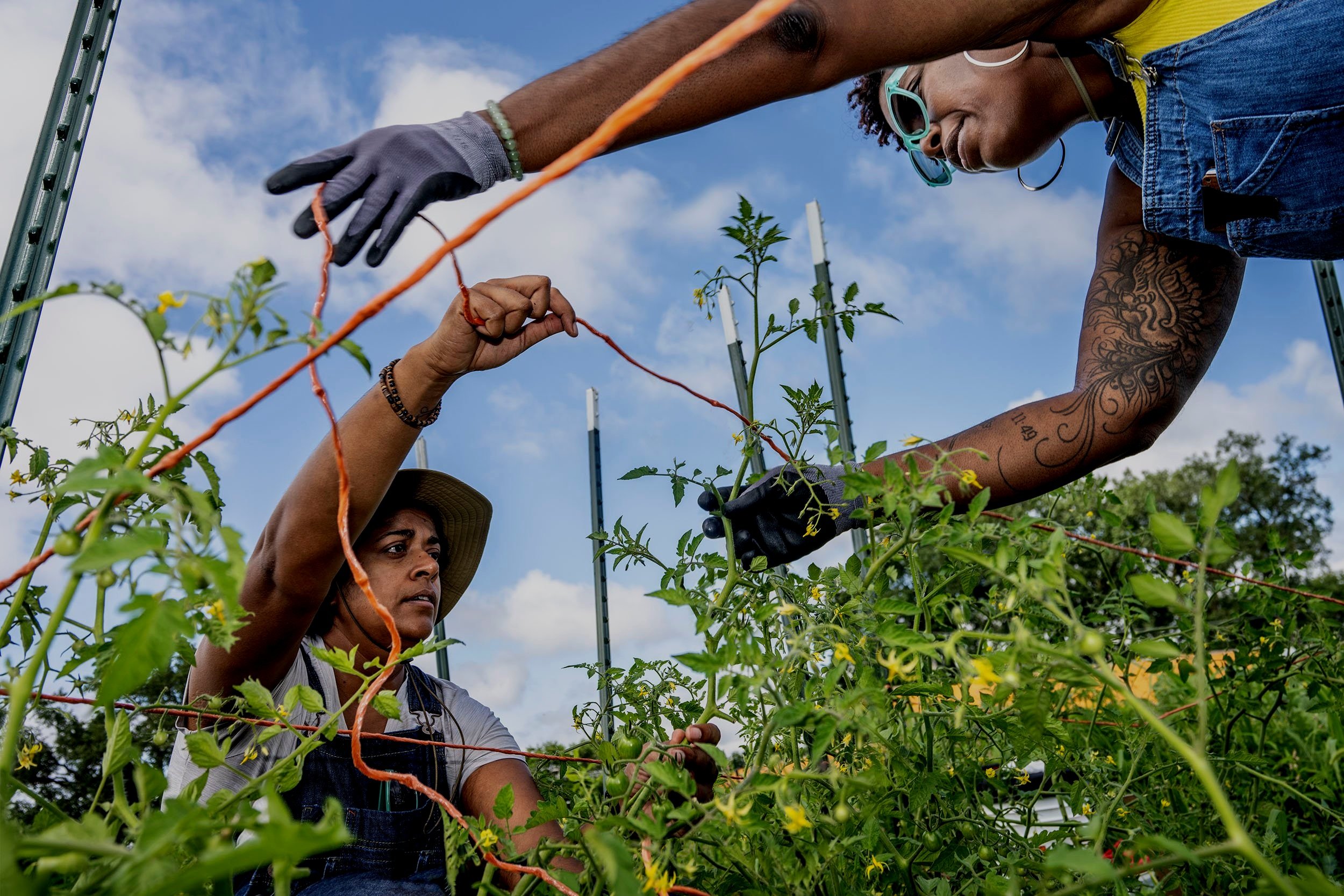
Rooted in growing food, our mission is to cultivate nourishing environments which support health, economic development, healing, and creativity through urban agriculture. Urban Growers Collective is a Black- and women-led non-profit farm in Chicago, Illinois working to build a more just and equitable local food system. Our approach trains and educates and prepares the next generation of farmers and food system innovators, stimulating local economies to create measurable public health improvements.UGC aims to address the historic inequities and structural barriers that exist in the food system predominately in low-income communities of color. We use urban agriculture as our tool and method to create new pathways for economic stability and abundance and to produce community and cultural impacts. At Urban Growers Collective we are cultivating new pathways to health that empower neighbors and communities to shape their own wellbeing. Weconnectour neighbors to local, nutritious, affordable, and culturally affirming food. Weinvestin developing local food economies through urban farming, job training, and education. Wejoineaters, growers and marketplaces, building long-term resilience to further divestment in Chicago’s communities of color. Our Fresh Moves Mobile Market, a bus-turned-mobile farmers market, brings affordable produce to schools, community centers, churches, and health clinics. We’re helping make good food accessible to Chicago’s communities of color. Urban Growers Collective cultivates nourishing environments where the passion for growing food in Chicago thrives from generation to generation. Our pathways to household wealth allow local families to grow together and connect through urban agriculture and the food system. Wespark a passionfor gardening through our Educare Preschool Farm Weeducate and empowerteens through our Youth Corps program, internships and apprentice programs CSW’s Youth Corps program engages 150+ youth each year on our farms. Teens expand their understanding of urban farming and deepen their personal development through an inquiry-based STEAM (science, technology, engineering, art, and math) curriculum. All participants receive a work stipend. Urban Growers Collective uses urban agriculture to develop local markets and cultivate pathways for historically disinvested Chicago communities to build economic wealth. Wefostera holistic local food system by and for our communities. Weemphasizethe important role of growers through programs like our Fresh Moves Mobile Market. UGC’s Grower Apprenticeship Program empowers emerging growers with foundational farm skills to work toward financially, environmentally, and socially sustainable farm operations. This three-year program includes hands-on training in urban agriculture production and cooperative business models. Urban Growers Collective creates pathways to healing and creativity by engaging Chicagoans in ancestral and cultural spiritual practices on land stewarded with those practices in mind. As a Black-led organization, weprovidesafe spaces for building mutually beneficial relationships founded on trust Wefostera multigenerational, multicultural, community devoted to the support of everyone’s healing The Urban Growers Collective Community Herbalism Apprenticeship offers the opportunity for participants to engage and build a relationship with plants to ultimately use them for personal, family, and community healing. Your generous contribution educates teens, provides land and training for new BIPOC farmers, and provides our communities with affordable, nutritionally dense, and equitably grown food. Chicago youth (ages 14-19) served through our seasonal Youth Corps program in 2025 pounds of produce harvested from our farms and distributed to the community in 2025 individuals started their journey in urban agriculture through our Internship program in 2025 staff members committed to promoting food equity and justice Keep up with wh
Our Story
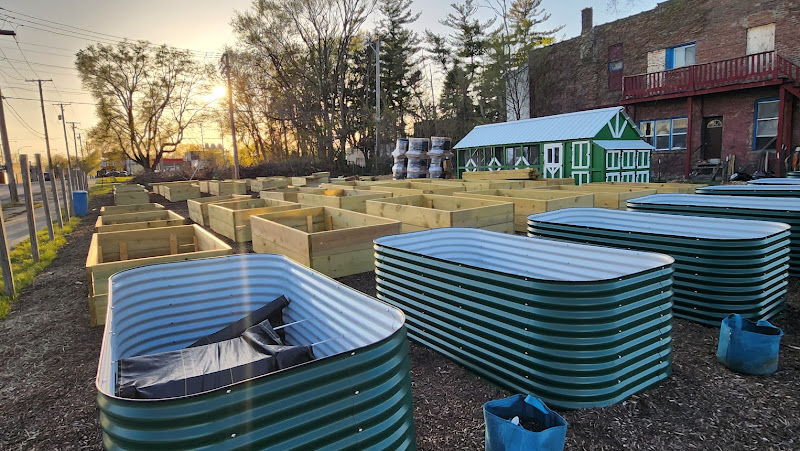
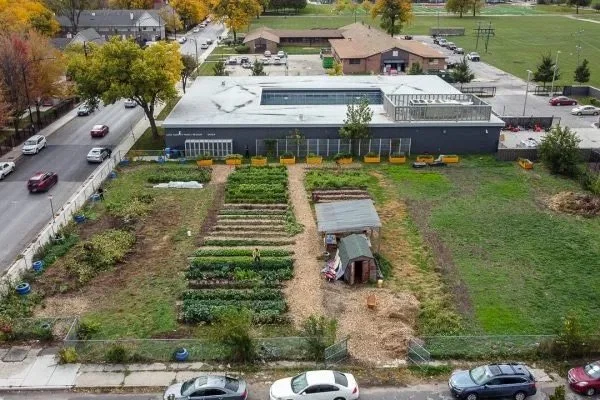
Urban Growers Collective (UGC) proudly works toward a more just, equitable food system in Chicago Urban Growers Collective (UGC) is a non-profit 501(c)(3) organization founded under the leadership of Erika Allen in 2017. Allen worked closely with community partners to demonstrate the development of community-based food systems. Her work also supports communities in developing local systems to grow, prepare, and distribute food within the community itself.UGC operates 8 urban farms totaling 11 acres primarily located on the South Side of Chicago; a 30-acre peri-urban farm in Chicago Heights established in 2024, and is a strategic partner in the 9-acre Green Era Campus renewable energy facility and hub for urban agriculture in Auburn Gresham. These farms are production-oriented, growing over 23,000lbs of produce each year available farmers markets, in our Collective Supported Agriculture program, and via our Fresh Moves Mobile Market buses. They also serve as spaces for UGC staff-led education, training, leadership development, healing and creativity. Urban Growers Collective (UGC) is a non-profit 501(c)(3) organization founded under the leadership of Erika Allen in 2017. Allen worked closely with community partners to demonstrate the development of community-based food systems. Her work also supports communities in developing local systems to grow, prepare, and distribute food within the community itself. UGC operates 8 urban farms totaling 11 acres primarily located on the South Side of Chicago; a 30-acre peri-urban farm in Chicago Heights established in 2024, and is a strategic partner in the 9-acre Green Era Campus renewable energy facility and hub for urban agriculture in Auburn Gresham. These farms are production-oriented, growing over 23,000lbs of produce each year available farmers markets, in our Collective Supported Agriculture program, and via our Fresh Moves Mobile Market buses. They also serve as spaces for UGC staff-led education, training, leadership development, healing and creativity. Urban Growers Collective is built upon the foundation of Growing Power, a former nonprofit organization and land trust in Milwaukee. Growing Power operated its urban farm and educational workshops for 25 years before closing its doors in 2017. The Growing Power Chicago branch was established in February 2002 to address a need for inclusive, impactful, and economically viable food system models. Growing Power Chicago changed community perceptions and city policies regarding the viability of land tenure for food production, while also addressing food insecurity, urban ecology, and community development. After Growing Power shuttered in 2017, the Chicago leadership team formed UGC to continue the nonprofit’s work and legacy in our city. Our logo was inspired by the legacy of the Drinking Gourd. “Follow the Drinkin’ Gourd” was a song used by conductors of the Underground Railroad to guide enslaved people to freedom using the Big Dipper, or in African culture, the imagery of the drinking gourd. We hope to honor the stories and sacrifices of our ancestors through our work. By reclaiming activism and growing food, we give the tools to foster resilience, growth, and personal freedom. Urban Growers Collective is founded on farming, but we are motivated by helping people thrive. Our programming, centered on food access; job training and education; and community engagement; is designed to build healthier, stronger communities Through our programs, we: Provide training and education on urban agriculture and food systems Offer skill-building experiences, jobs, and economic opportunities to youth Identify and lift up community priorities and needs Use evidence-based practices to create safe and beautiful places for communities to conv
Meet youth who
Farm Owner · Since 2024
What Sets This Farm Apart
UnverifiedEvery practice listed here means something specific. Tap any practice to learn what it requires and why it matters.
Not verified by Bhumi. This farm's practices have not been independently verified. Product claims (grass-fed, pasture-raised, organic, etc.) are based on publicly available information and have not been confirmed.
Hours & Operations
Location & Directions
Quick Facts
Practices