


How to Buy
Delivery & Shipping
ships nationwide
Photos
About Territorial Seed Company Store
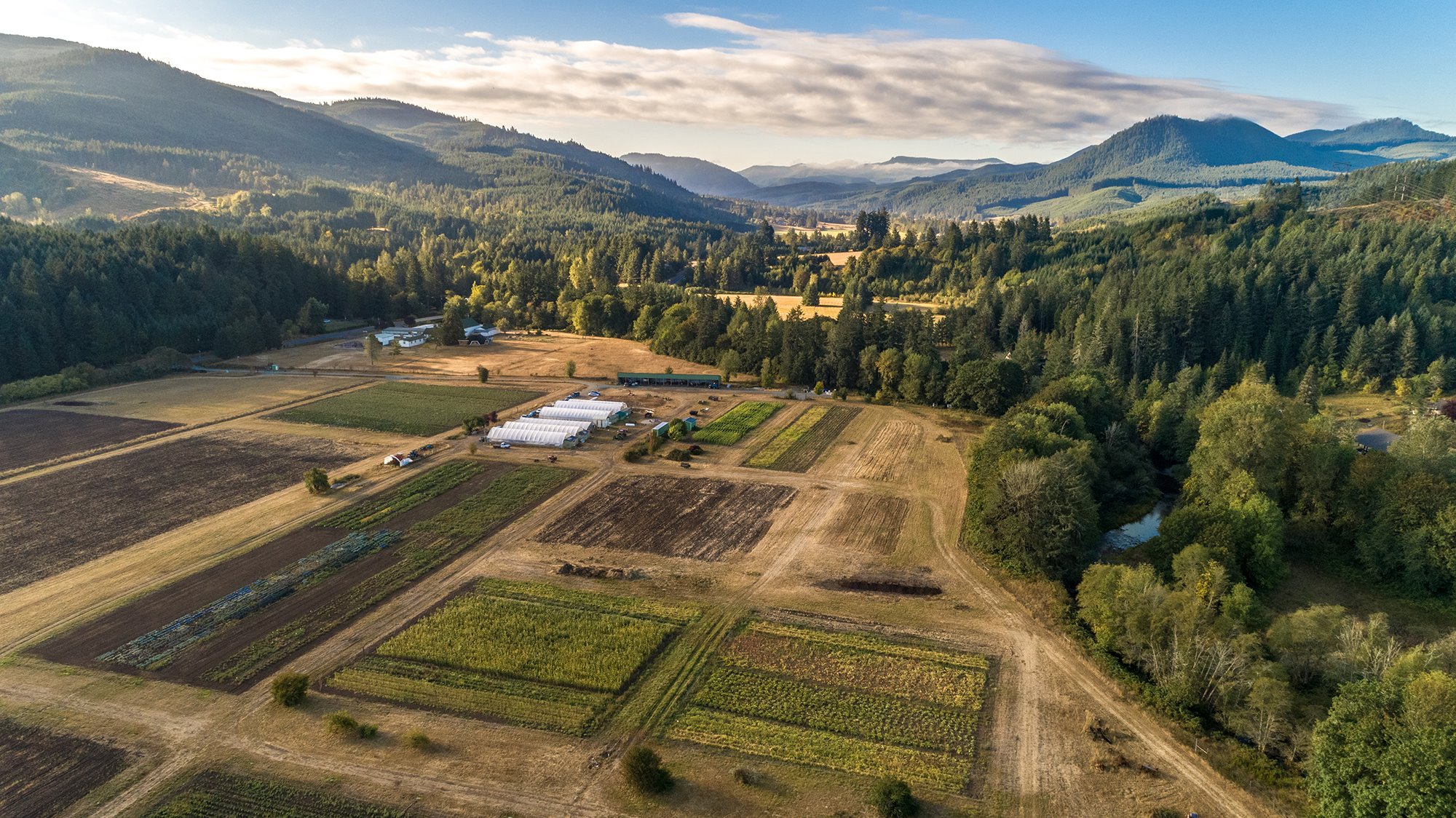
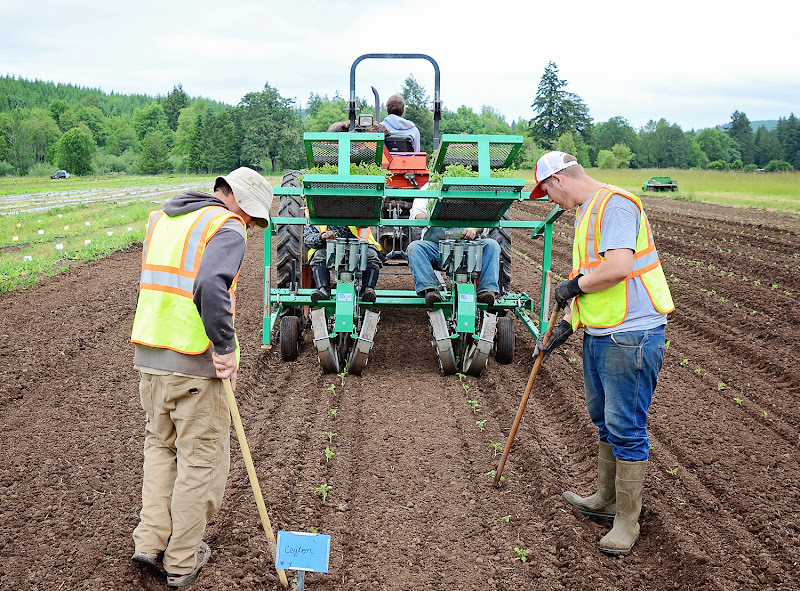
Family owned since 1979 |100% Guarantee on All Products The History of Territorial Seed Company Roots, Trials & A Regional Mission In 1979, Steve Solomon wrote the first Territorial Seed catalog and started what would become Territorial Seed Company. His goal was simple and pretty radical for the time: find and offer the best-adapted vegetable varieties for home gardeners in the Pacific Northwest, not just whatever was popular nationally. To do that, he built serious trial gardens and tested varieties side by side through both summer and winter, even under tough conditions like heavy clay soil and limited water. In those early years, seed production was scrappy and local. Crops were isolated in neighbors’ backyards to preserve purity—things like open-pollinated Brussels sprouts, an heirloom cranberry bean, and Lorane fava for cover cropping. The “warehouse” was drafty, winter work happened around a woodstove, and the whole business ran on community help and reinvested pennies. By the early ’80s, Territorial was already mailing out 100,000 catalogs a year and shipping thousands of copies of Solomon’s 1981 book, “Growing Vegetables West of the Cascades,” while answering daily letters from gardeners who wanted real advice for their climate. The Johns Family Takes the Helm & Territorial Grows Up In 1985, Tom and Julie Johns - early customers who shared a do-it-yourself lifestyle of organic gardening, home canning, and self-reliance - answered a small classified ad that read, “...mail order seed company in Lorane for sale.” They bought Territorial Seed from Steve Solomon and became its owners. They immediately began expanding selection based on what gardeners actually wanted: tomatoes jumped from 15 to 75 varieties, plus more sweet peas, garlic, lettuce for year-round harvest, and even sunflowers for feeding birds. They moved from a purely regional catalog to national and Canadian catalogs. In 1988, they launched the Winter Garden Catalog, focused on cool-season harvests; it remains described as the only dedicated winter gardening catalog in the U. S. In 1987, to support serious product testing, Tom and Julie invested in 44 acres at London Springs, south of Cottage Grove Lake. That site became the core of Territorial’s trial grounds -where thousands of varieties are still grown out, tasted, and scored for hardiness, flavor, and germination. Breeding, Trialing & Year-Round Self-Sufficiency Through the 1990s and 2000s, Territorial kept pushing a core idea: gardeners can and should be able to feed themselves from the backyard, not depend on produce that’s traveled hundreds of miles. The company focused on crops for extended harvest windows, four-season growing, and reliable storage, and continued reclaiming and preserving older open-pollinated varieties that larger suppliers had dropped. Territorial also partnered with breeders (including long-running collaborations with university plant breeders) to produce region-tough, great-tasting varieties and bring them directly to home gardeners. This was also the era when Territorial really became known for Pacific Northwest–adapted seed, winter gardening lines, and specialty varieties that weren’t always of interest to big commercial seed houses. The farm team kept trialing, saving seed, and maintaining in-house selections so those varieties didn’t disappear. A New Generation of Stewardship Today, Territorial continues to operate with the same core philosophy it started with: test everything, keep only what truly performs, and help gardeners grow real food at home. Our research and production farm in the Cascade foothills spans dozens of acres where we trial thousands of varieties every year. Only the most flavorful, resilient, and reliable make it into the catalog. In 2022, leadership passed to the next generation when Jake and Farren took over the company. They carry forward the mission that began in 1979: helping people become more self-sufficient by growing high-quality, great-tasti
Our Story
The History of Territorial Seed Company Roots, Trials & A Regional Mission In 1979, Steve Solomon wrote the first Territorial Seed catalog and started what would become Territorial Seed Company. His goal was simple and pretty radical for the time: find and offer the best-adapted vegetable varieties for home gardeners in the Pacific Northwest, not just whatever was popular nationally. To do that, he built serious trial gardens and tested varieties side by side through both summer and winter, even under tough conditions like heavy clay soil and limited water. In those early years, seed production was scrappy and local. Crops were isolated in neighbors’ backyards to preserve purity—things like open-pollinated Brussels sprouts, an heirloom cranberry bean, and Lorane fava for cover cropping. The “warehouse” was drafty, winter work happened around a woodstove, and the whole business ran on community help and reinvested pennies. By the early ’80s, Territorial was already mailing out 100,000 catalogs a year and shipping thousands of copies of Solomon’s 1981 book, “Growing Vegetables West of the Cascades,” while answering daily letters from gardeners who wanted real advice for their climate. The Johns Family Takes the Helm & Territorial Grows Up In 1985, Tom and Julie Johns - early customers who shared a do-it-yourself lifestyle of organic gardening, home canning, and self-reliance - answered a small classified ad that read, “...mail order seed company in Lorane for sale.” They bought Territorial Seed from Steve Solomon and became its owners. They immediately began expanding selection based on what gardeners actually wanted: tomatoes jumped from 15 to 75 varieties, plus more sweet peas, garlic, lettuce for year-round harvest, and even sunflowers for feeding birds. They moved from a purely regional catalog to national and Canadian catalogs. In 1988, they launched the Winter Garden Catalog, focused on cool-season harvests; it remains described as the only dedicated winter gardening catalog in the U. S. In 1987, to support serious product testing, Tom and Julie invested in 44 acres at London Springs, south of Cottage Grove Lake. That site became the core of Territorial’s trial grounds -where thousands of varieties are still grown out, tasted, and scored for hardiness, flavor, and germination. Breeding, Trialing & Year-Round Self-Sufficiency Through the 1990s and 2000s, Territorial kept pushing a core idea: gardeners can and should be able to feed themselves from the backyard, not depend on produce that’s traveled hundreds of miles. The company focused on crops for extended harvest windows, four-season growing, and reliable storage, and continued reclaiming and preserving older open-pollinated varieties that larger suppliers had dropped. Territorial also partnered with breeders (including long-running collaborations with university plant breeders) to produce region-tough, great-tasting varieties and bring them directly to home gardeners. This was also the era when Territorial really became known for Pacific Northwest–adapted seed, winter gardening lines, and specialty varieties that weren’t always of interest to big commercial seed houses. The farm team kept trialing, saving seed, and maintaining in-house selections so those varieties didn’t disappear. A New Generation of Stewardship Today, Territorial continues to operate with the same core philosophy it started with: test everything, keep only what truly performs, and help gardeners grow real food at home. Our research and production farm in the Cascade foothills spans dozens of acres where we trial thousands of varieties every year. Only the most flavorful, resilient, and reliable make it into the catalog. In 2022, leadership passed to the next generation when Jake and Farren took over the company. They carry forward the mission that began in 1979: helping people become more self-sufficient by growing high-quality, great-tasting food in their own gardens. The farm is certified orga
Meet Steve Solomon
Farm Owner · Since 1979
What Sets This Farm Apart
UnverifiedEvery practice listed here means something specific. Tap any practice to learn what it requires and why it matters.
Not verified by Bhumi. This farm's practices have not been independently verified. Product claims (grass-fed, pasture-raised, organic, etc.) are based on publicly available information and have not been confirmed.
Hours & Operations
Location & Directions
Quick Facts
Practices