

Upriver Organics
Self-ReportedUpriver OrganicsEst. 1995
How We Process
How to Buy
Bulk & Shares
CSA share
Other
U-Pick
Markets & Stores
farmers market
Photos
About Upriver Organics
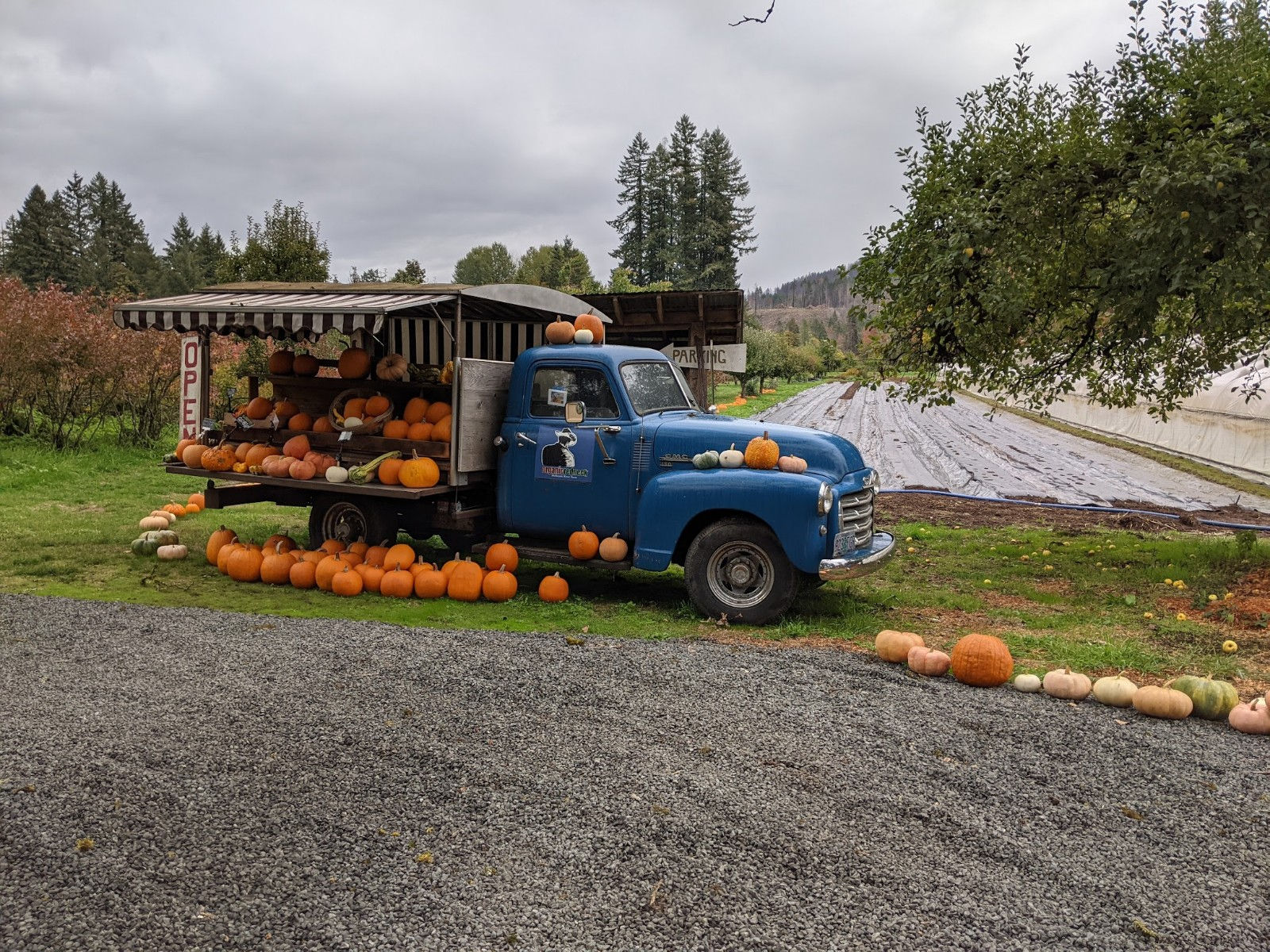
Organic Redneck is changing its name to Upriver Organics. Stay tuned as we slowly adjust our logo, signs and other materials. thanks for weighing in with suggestions and asking good questions in the process. While we understand that many of you like our old name, we liked it to, we picked it. But whatever it meant to you, it also stood for some things that we don't agree with. Whether those interpretations of "redneck" are accurate or not. The word redneck can stand for lots of things: hard working, yes! rural can-do spirit, yes! Working with our hands, in the sun, yes! It is also sometimes associated with a small minded, racist ideology, and are values do not fit with that. Read more about the decision to change the name below. The land we now call Organic Redneck is here along the banks of the McKenzie River. It has a long history that is only partially known. The Kalapuya tribe(s) were said to live along the McKenzie long before westerners arrived, and possibly other ancient peoples were here even before the Kalapuya. While there is a rich history in this valley, today, we’re focusing on recent history. Organic Redneck’s history started when Douglass Moser and Carol Ach first acquired the farm in the mid-90s. The farm came with a name from the prior owner’s, the Halbert family. The farm’s name, “Halbert’s Blueberries” was a fine name, but the sign that hung was well worn and Carol and Douglass were ready to hang a fresh painted one. Briefly the farm was named Mountain View Farm, but it was in conflict with another Lane Country farm so the name was changed, this time to “Mckenzie River Farm”. This name served the farm for a number of years and in a few places it can still be found today. In the early 2000s, a term emerged that encapsulated the kind of folks Carol, Douglass and their kids were, “Organic Redneck”. This didn offend anyone at the time, as many rural Oregonians are self-described rednecks. Our family is made up of long-term Oregonians, who drive trucks, run chainsaws and are often sunburnt from working in the sun. And they were scrappy, self-sufficient types. At some point, some t-shirts were printed with “Organic Redneck'' on the front of them and “I make dirt look good” on the back, and the name was embraced. The T-shirts were popular, and people just started calling the farm and farmers “The Organic Rednecks”. Some years later when Sam and Jack (the next generation) started taking on the responsibility of farming the land from their parents, they decided to set up a new business. Sam and Jack were ready to rename the farm in a way to identify it separately from the farm their folks had run. So, they took the phrase from the t-shirts and attached it to the LLC, “Organic Redneck LLC. This name was different, it stood out, it seemed oxymoronic to some folks. It was also just unique enough to be memorable. This was not as well thought out as it should have been, but Organic Redneck was now the name. The signage, website, etc. were adorned with the same name. Maybe it was because of the farmers’ limited perspectives or just a lack of knowledge of the historical meaning of the term redneck, but the undertones were missed at first. It seems that the term redneck, to an Oregonian didn’t have the controversial history that the term carried to many folks, and there was a belief that it just represented the rural working class individuals in our neck of the woods. . As time went on Jack became the only family member still farming the land. People often questioned Jack and the name of the farm, and it became clear that this term redneck had a very complicated and racist history. While Jack tried to justify the use of the term by showing his sunburnt neck and trying to reclaim the term from some of it’s associations as a white, working class individual, it was a steep hill to climb. Jack stated that we had no intentions to associate ourselves with the derogatory or racist ideology, but as our awareness increased ov
Our Story
WHERE TO FIND USFARMERS MARKETFARMSTAND Crop Share Crop Share FAQs SNAP for Crop Share Sign up for a Crop Share Sign up for a Crop Share Organic Redneck is changing its name to Upriver Organics. Stay tuned as we slowly adjust our logo, signs and other materials. thanks for weighing in with suggestions and asking good questions in the process. While we understand that many of you like our old name, we liked it to, we picked it. But whatever it meant to you, it also stood for some things that we don't agree with. Whether those interpretations of "redneck" are accurate or not. The word redneck can stand for lots of things: hard working, yes! rural can-do spirit, yes! Working with our hands, in the sun, yes! It is also sometimes associated with a small minded, racist ideology, and are values do not fit with that. Read more about the decision to change the name below. The land we now call Organic Redneck is here along the banks of the Mc Kenzie River. It has a long history that is only partially known. The Kalapuya tribe(s) were said to live along the Mc Kenzie long before westerners arrived, and possibly other ancient peoples were here even before the Kalapuya. While there is a rich history in this valley, today, we’re focusing on recent history. Organic Redneck’s history started when Douglass Moser and Carol Ach first acquired the farm in the mid-90s. The farm came with a name from the prior owner’s, the Halbert family. The farm’s name, “Halbert’s Blueberries” was a fine name, but the sign that hung was well worn and Carol and Douglass were ready to hang a fresh painted one. Briefly the farm was named Mountain View Farm, but it was in conflict with another Lane Country farm so the name was changed, this time to “Mckenzie River Farm”. This name served the farm for a number of years and in a few places it can still be found today. In the early 2000s, a term emerged that encapsulated the kind of folks Carol, Douglass and their kids were, “Organic Redneck”. This didn offend anyone at the time, as many rural Oregonians are self-described rednecks. Our family is made up of long-term Oregonians, who drive trucks, run chainsaws and are often sunburnt from working in the sun. And they were scrappy, self-sufficient types. At some point, some t-shirts were printed with “Organic Redneck'' on the front of them and “I make dirt look good” on the back, and the name was embraced. The T-shirts were popular, and people just started calling the farm and farmers “The Organic Rednecks”. Some years later when Sam and Jack (the next generation) started taking on the responsibility of farming the land from their parents, they decided to set up a new business. Sam and Jack were ready to rename the farm in a way to identify it separately from the farm their folks had run. So, they took the phrase from the t-shirts and attached it to the LLC, “Organic Redneck LLC. This name was different, it stood out, it seemed oxymoronic to some folks. It was also just unique enough to be memorable. This was not as well thought out as it should have been, but Organic Redneck was now the name. The signage, website, etc. were adorned with the same name. Maybe it was because of the farmers’ limited perspectives or just a lack of knowledge of the historical meaning of the term redneck, but the undertones were missed at first. It seems that the term redneck, to an Oregonian didn’t have the controversial history that the term carried to many folks, and there was a belief that it just represented the rural working class individuals in our neck of the woods. . As time went on Jack became the only family member still farming the land. People often questioned Jack and the name of the farm, and it became clear that this term redneck had a very complicated and racist history. While Jack tried to justify the use of the term by showing his sunburnt neck and trying to reclaim the term from some of it’s associations as a white, working class individual, it was a steep hill to climb. Ja
Meet Andriana
Farm Owner · Since 1995
What Sets This Farm Apart
Self-ReportedEvery practice listed here means something specific. Tap any practice to learn what it requires and why it matters.
Dairy
Self-reported practices. This farm has provided information about their practices, but they have not yet been independently verified by Bhumi.
Hours & Operations
| monday | 9 AM – 2 PM |
| tuesday | 9 AM – 2 PM |
| wednesday | 9 AM – 2 PM |
| thursday | 9 AM – 2 PM |
| friday | 9 AM – 2 PM |
| saturday | 9 AM – 2 PM |
| sunday | Closed |
Location & Directions
Quick Facts
Practices